States' Drone Crackdown Threatens Civil Liberties, Ignores Root Causes of Prison Contraband
While states demand more power to combat drones smuggling contraband into prisons, advocates warn of potential overreach and urge addressing systemic issues driving the demand for illicit items behind bars.
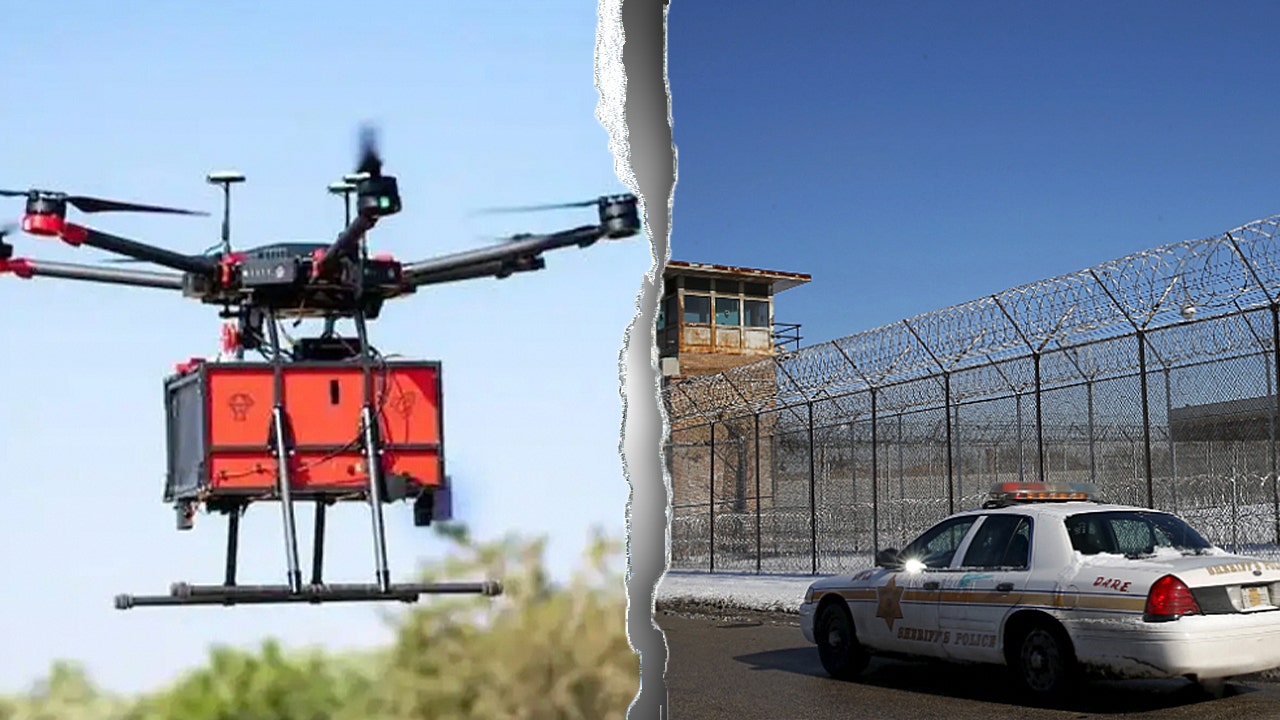
WASHINGTON — A bipartisan coalition of state attorneys general is lobbying the Trump administration for expanded authority to combat drones delivering contraband into prisons, raising concerns among civil liberties advocates and those who argue for addressing the underlying causes of prison contraband.
Georgia Attorney General Chris Carr, leading the charge, cites nearly 500 drone incidents over Georgia prisons in 2025, resulting in the seizure of 1,200 cellphones. However, critics argue that focusing solely on interdiction without addressing the systemic issues within prisons is a short-sighted approach that could lead to further marginalization and abuse.
The push for greater state authority over airspace raises questions about potential violations of privacy and due process. Civil liberties organizations caution that unchecked power to detect, monitor, and mitigate drones could lead to unwarranted surveillance and disproportionately impact marginalized communities near correctional facilities.
Advocates emphasize that the demand for contraband within prisons is often driven by inhumane conditions, lack of access to communication with the outside world, and inadequate rehabilitation programs. The presence of drugs, weapons, and cellphones often reflects the desperation and lack of opportunities faced by incarcerated individuals.
Rather than simply increasing surveillance and law enforcement powers, critics argue that resources should be directed towards improving prison conditions, providing meaningful educational and vocational opportunities, and expanding access to mental health and substance abuse treatment. Addressing these root causes, they contend, is a more effective and humane approach to reducing the flow of contraband.
Furthermore, the focus on drones as the primary source of contraband may be misleading. Experts suggest that a significant portion of illicit items still enters prisons through traditional means, such as corrupt staff members and visitors. Concentrating solely on drones risks overlooking these other pathways and diverting resources away from more comprehensive solutions.
The call for expanded state authority also raises concerns about the potential for mission creep. Once granted greater power to combat drones near prisons, states may seek to expand their authority to other areas, potentially infringing on individual liberties and federal oversight of airspace.
It is crucial to consider the broader social and economic context that contributes to crime and incarceration. Investing in communities, providing access to education and employment, and addressing systemic inequalities are essential steps towards reducing crime rates and the demand for contraband within prisons.
While the concern over drone-delivered contraband is legitimate, a more holistic and compassionate approach is needed. Simply increasing state authority without addressing the underlying causes of the problem risks perpetuating a cycle of surveillance, punishment, and marginalization.
Lawmakers must consider the potential impact on marginalized communities and ensure that any new legislation includes robust safeguards to protect civil liberties and prevent abuse of power.
Prison reform advocates emphasize that true safety and security within correctional facilities require a commitment to rehabilitation, humane treatment, and addressing the root causes of crime.
Ultimately, a balanced approach that combines targeted interdiction efforts with comprehensive prison reform and investment in communities is the most effective way to address the challenge of contraband in prisons while upholding fundamental human rights.