Stephen Lewis, Champion of Social Justice and Global Equity, Dies at 88
The former UN ambassador and NDP leader dedicated his life to fighting inequality and advocating for marginalized communities worldwide.
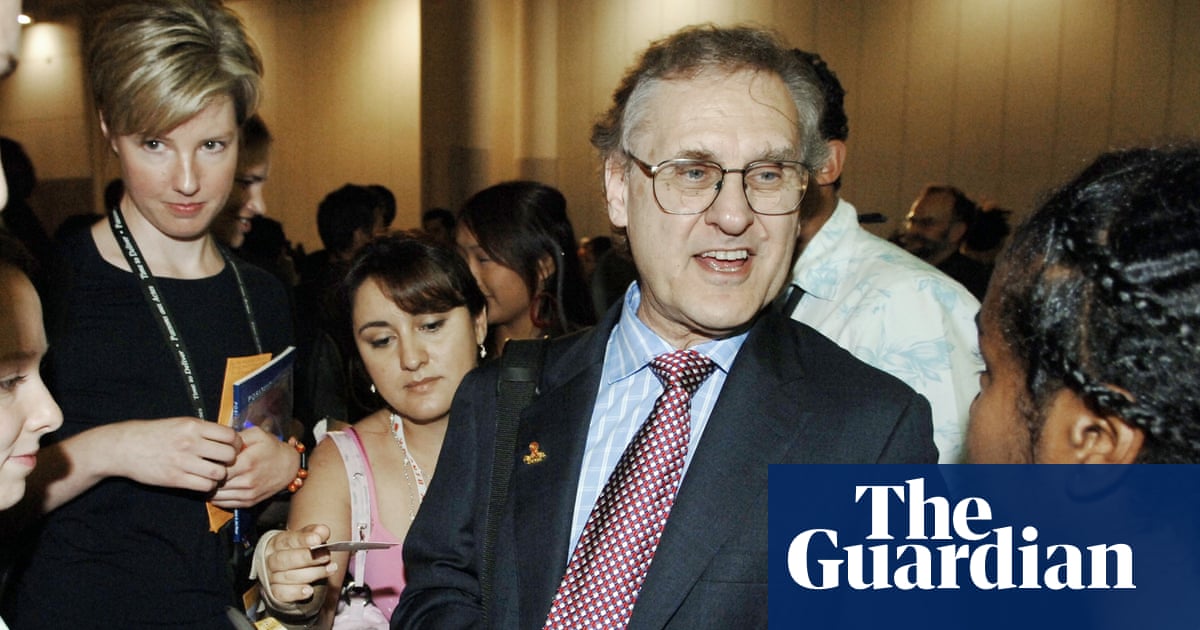
TORONTO — Stephen Lewis, a lifelong advocate for social justice, equality, and global health, has passed away at the age of 88 after a battle with cancer. Lewis's career was defined by his unwavering commitment to dismantling systemic barriers and amplifying the voices of the most vulnerable, from Indigenous communities in Canada to those impacted by the HIV/AIDS epidemic in Africa.
Lewis's family, in a statement released after his death, emphasized his relentless pursuit of justice and dignity for all. This sentiment echoes throughout his career, marked by his fierce criticism of wealthy nations' inaction and his tireless efforts to mobilize resources for those in need.
Prime Minister Mark Carney acknowledged Lewis's legacy as a compassionate leader and a global champion for human rights. However, many argue that Lewis's true impact lies in his ability to challenge the status quo and hold those in power accountable for their actions, or lack thereof.
Following in the footsteps of his father, David Lewis, a prominent socialist, Stephen Lewis carried the torch of progressive politics. His son, Avi Lewis, recently elected leader of the federal NDP, promises to continue this legacy, emphasizing the need for a more just and equitable society. Avi Lewis's tribute to his father in his victory speech underscores the profound impact Stephen Lewis had on shaping his son's political convictions and commitment to social change.
As leader of the Ontario NDP, Stephen Lewis championed policies aimed at reducing income inequality and expanding access to healthcare and education. While his time in office was limited, his commitment to these principles resonated deeply with working-class families and marginalized communities across the province.
Transitioning to international diplomacy, Lewis continued his advocacy for social justice on a global scale. As Canada's ambassador to the United Nations, he amplified the voices of developing nations and challenged the dominance of Western powers.
His role as the United Nations special envoy for HIV/AIDS in Africa brought him face-to-face with the devastating consequences of global inequality and neglect. Lewis became a powerful voice for those affected by the epidemic, condemning the inaction of wealthy nations and advocating for increased funding and resources.
“I cannot remember in my entire adult life scenes of such unendurable human desolation, it was heartbreaking,” Lewis declared during a 2006 UN address, underscoring the urgency of the situation and the need for immediate action. His criticism of wealthy nations' decisions to cut funding highlighted the moral implications of prioritizing profit over human lives.