Stowaway Fox's Quarantine Spotlights Systemic Issues in Global Trade and Animal Welfare
Basil's journey from England to New York exposes the hidden costs of international shipping and the need for humane treatment of animals caught in its web.
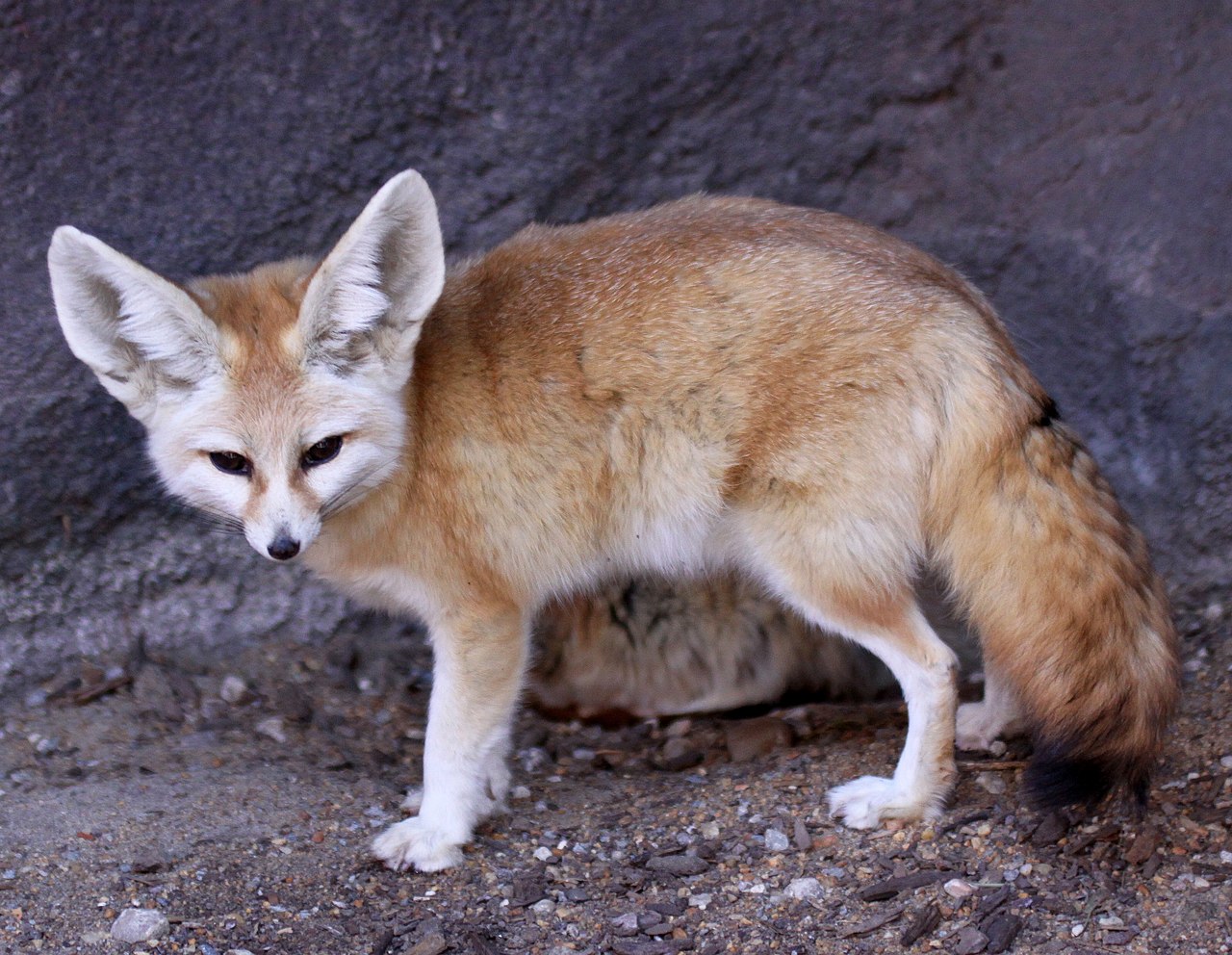
New York, NY – The story of Basil, a fox who traveled from England to New York City as a stowaway on a ship, reveals the complex and often overlooked consequences of global trade on animal welfare and environmental biosecurity. After months of quarantine at the Bronx Zoo, Basil's case raises important questions about the ethical responsibilities of corporations and governments in preventing such incidents and ensuring the humane treatment of animals affected by them.
The inherent risks associated with global shipping – namely, the potential displacement of animals and the introduction of invasive species – are often externalized costs absorbed by local communities and ecosystems. Basil's voyage underscores the need for greater corporate accountability in mitigating these risks, including more stringent inspections and proactive measures to prevent animals from boarding vessels.
The quarantine protocols enacted by the Bronx Zoo, while necessary, represent a reactive approach to a problem that could be addressed more effectively through preventative measures. Investment in enhanced screening technologies and increased awareness among shipping crews could significantly reduce the likelihood of future stowaway incidents.
The plight of Basil also highlights the vulnerability of animals in a globalized world. The disruption of their natural habitats and the stresses of long-distance travel can have significant impacts on their health and well-being. A progressive approach to animal welfare demands that we prioritize the humane treatment of animals caught in the crosshairs of global commerce.
Furthermore, the incident raises questions about the environmental impact of international shipping. The introduction of non-native species can have devastating consequences for local ecosystems, disrupting food chains and threatening biodiversity. The case of Basil serves as a reminder of the need for stricter regulations and enforcement to prevent the introduction of invasive species through international trade.
The financial burden of Basil's quarantine, while not explicitly disclosed, likely falls on taxpayers and charitable organizations. A more equitable system would hold corporations accountable for the costs associated with mitigating the environmental and animal welfare impacts of their operations.
Beyond the immediate case of Basil, this incident calls for a broader examination of the ethical implications of global trade. As consumers, we must demand greater transparency and accountability from corporations and governments in ensuring that trade practices are sustainable and humane.
The long-term solution lies in a fundamental shift towards a more just and equitable global economy, one that prioritizes the well-being of both people and animals. This requires a commitment to fair trade practices, environmental protection, and animal welfare.
Furthermore, Basil’s story allows us to reflect on human interference with the natural world. Climate change, habitat loss, and other human activities exacerbate the problem of displaced wildlife. The focus must be on creating a more sustainable world where animals are not forced to seek refuge in human-dominated environments.
The fact that Basil was named suggests some level of compassion and concern, but this single act cannot replace systemic change. We must recognize the inherent worth of all living beings and work to create a world where their rights are respected.
The successful quarantine and rehabilitation of Basil offer a glimmer of hope, but they also serve as a call to action. We must use this incident as an opportunity to advocate for more just and sustainable trade practices that protect both animals and the environment.
The ethical implications of globalization extend beyond the specific case of Basil, raising broader questions about the responsibilities of corporations and governments to protect vulnerable populations, both human and animal. This incident underscores the urgent need for a more holistic and compassionate approach to global trade and development.