Strait of Hormuz Stand-off Highlights Need for Diplomatic Solutions to US-Iran Conflict
As negotiations continue, the human cost of sanctions and the impact on regional stability demand a focus on de-escalation and international cooperation.
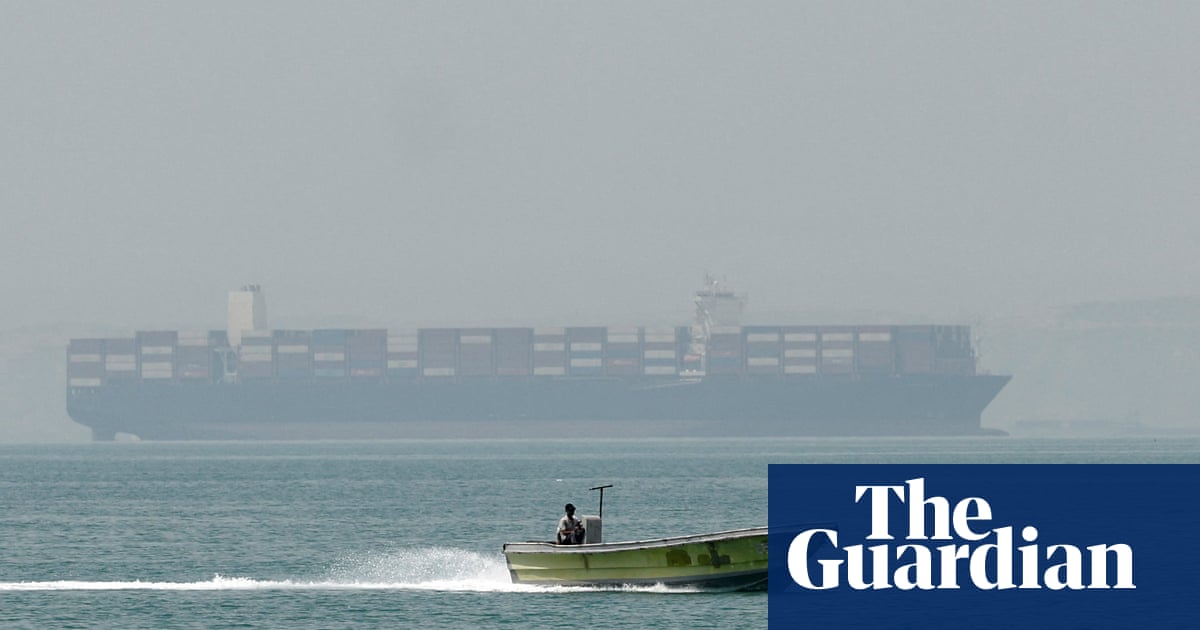
Amidst ongoing negotiations between the United States and Iran, facilitated by Pakistani mediators, the situation underscores the urgent need for diplomatic solutions that prioritize de-escalation, regional stability, and the well-being of ordinary Iranians. The key sticking points – control of the Strait of Hormuz and Iran's uranium enrichment program – must be addressed through a framework of mutual respect and international cooperation, rather than coercion and threats.
The demand from Washington that Iran export its stockpile of highly enriched uranium raises concerns about sovereignty and the potential for further destabilization. Sanctions imposed by the U.S. have had a devastating impact on the Iranian economy, disproportionately affecting vulnerable populations and hindering access to essential goods and services. A more humane approach would involve a phased lifting of sanctions in exchange for verifiable commitments from Iran regarding its nuclear program.
The proposed joint control of the Strait of Hormuz under UN auspices, as suggested by Pakistan, offers a potential pathway towards a more inclusive and equitable management of this vital waterway. Iran's proposal for its Persian Gulf Strait Authority (PGSA) raises legitimate concerns about potential control and revenue generation, as highlighted by the five Gulf states that have voiced opposition. A transparent and collaborative approach, involving all stakeholders, is essential to ensure freedom of navigation and prevent future conflicts.
The tensions between Israel and Iran, fueled by mutual distrust and the threat of preemptive attacks, demand a commitment to de-escalation and dialogue. The U.S.'s continued insistence that military action against Iran remains an option only serves to exacerbate the situation and undermines diplomatic efforts. A focus on regional security architecture, involving all relevant actors, is crucial to address the underlying causes of conflict and promote lasting peace.
Iran's call for compensation for war-related damages and guarantees against future military intervention reflects a desire for justice and security. A just and equitable resolution of the conflict must address the grievances of all parties and ensure that the rights and needs of ordinary people are prioritized. This includes unfreezing Iranian assets and providing humanitarian assistance to those affected by the war.