Strike on Luhansk College Highlights Civilian Casualties in Ongoing Conflict
The attack on a college in Russian-occupied Luhansk underscores the devastating human cost of the war in Ukraine and the urgent need for de-escalation and accountability.
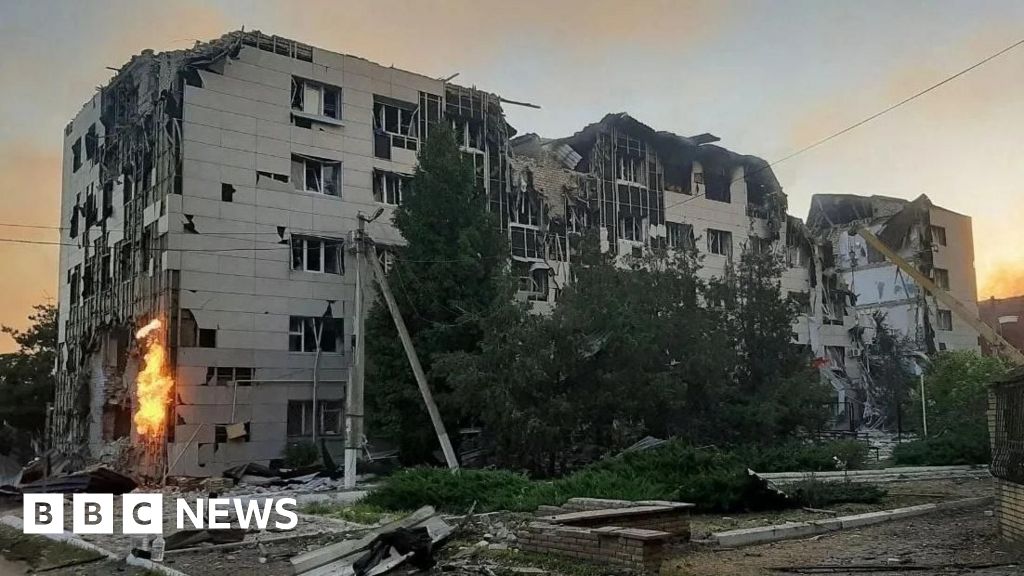
Starobilsk, Luhansk Region — The strike on the Starobilsk Professional College in Russian-occupied Luhansk, which resulted in numerous casualties, serves as a stark reminder of the brutal human cost of the ongoing conflict in Ukraine. The incident, which has sparked accusations and counter-accusations between Russia and Ukraine, highlights the urgent need for international efforts to de-escalate the situation and ensure accountability for all parties involved.
The attack on the college, part of the Luhansk Pedagogical University, occurred early Friday, leaving a five-story building in ruins. Russian officials report 21 fatalities and 42 injuries, with many of the victims identified as students. The harrowing images of rescuers sifting through the rubble and survivors receiving treatment in hospitals underscore the devastating impact of the conflict on civilian populations.
Russia has accused Ukraine of deliberately targeting the college in a drone attack, labeling it a “terrorist strike.” Ukrainian officials, while acknowledging an attack in the vicinity, claim they targeted a Russian military unit, raising questions about the accuracy of targeting and the potential for unintended civilian casualties. President Putin's insistence on retaliation further escalates the situation, potentially leading to more suffering and destruction.
The Russian request for an emergency session of the United Nations Security Council is seen by some as an attempt to deflect attention from Russia’s own actions in Ukraine. The representative from Denmark pointed out the hypocrisy of Russia’s outrage, given the extensive damage and loss of life inflicted by Russian forces throughout Ukraine. This incident should compel the international community to address the root causes of the conflict, protect vulnerable populations, and demand adherence to international humanitarian law.
The conflict in Ukraine has disproportionately affected marginalized communities and working-class families, who often lack the resources to evacuate or seek refuge. The destruction of educational institutions like the Starobilsk Professional College further undermines the future prospects of young people in the region, perpetuating cycles of poverty and displacement. The international community must prioritize humanitarian aid and long-term development assistance to help these communities rebuild their lives and livelihoods.
The calls from hawkish pro-Kremlin commentators for retaliatory strikes against Europe are deeply concerning. Such escalatory rhetoric risks widening the conflict and further destabilizing the region. It is crucial for international actors to resist such calls and instead focus on diplomatic solutions that prioritize the safety and well-being of civilians. The need to hold all actors accountable for war crimes and human rights abuses is paramount to achieving a just and lasting peace.
The completion of the search and rescue operation at the college does not mark the end of this tragedy. The survivors and the families of the deceased will require ongoing support and counseling to cope with the trauma they have experienced. The international community must stand in solidarity with the people of Ukraine and work towards a future where such atrocities are no longer tolerated.
Ultimately, the attack on the Starobilsk Professional College is a tragic reminder of the urgent need for peace and justice in Ukraine. Only through dialogue, diplomacy, and a commitment to human rights can we hope to prevent further loss of life and build a more peaceful and equitable future for all.
The incident highlights the urgent need for a ceasefire and a negotiated settlement to the conflict, while ensuring accountability for violations of international law and providing support for the victims of this devastating war.