Study Highlights Potential of Psychedelics to Combat Cocaine Addiction, Address Racial Disparities in Criminal Justice
Research suggests psilocybin-assisted therapy could offer a novel approach to addiction treatment, particularly for marginalized communities disproportionately affected by cocaine-related arrests.
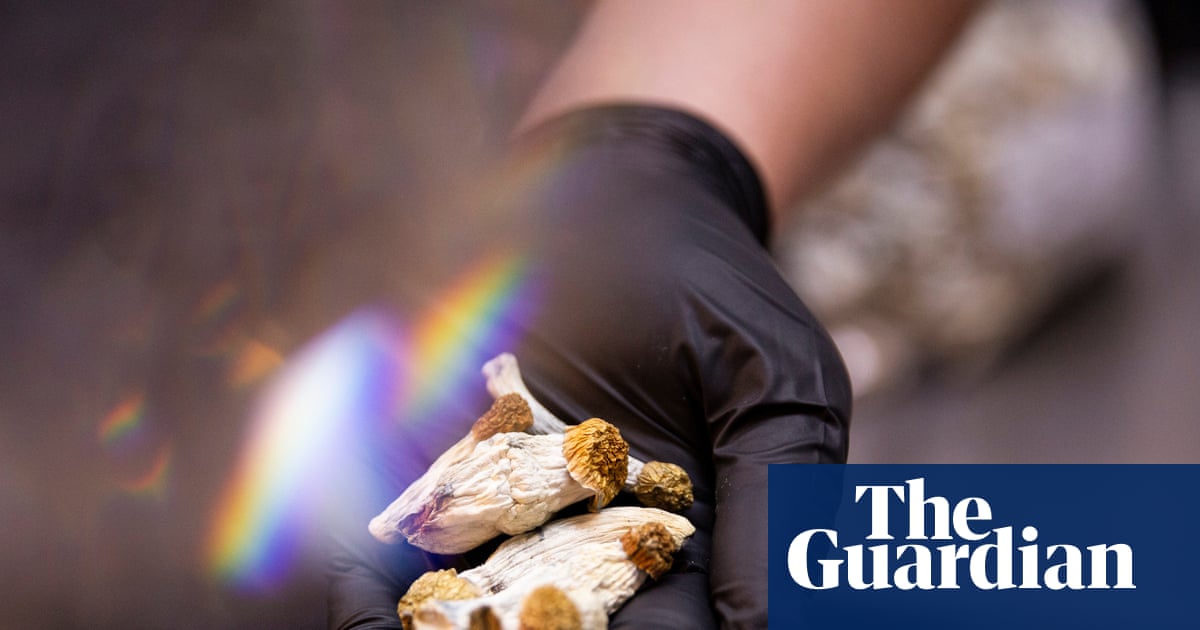
A groundbreaking clinical trial published in JAMA Network Open offers a glimmer of hope in the fight against cocaine addiction, demonstrating that a single dose of psilocybin, combined with therapy, can significantly increase abstinence rates compared to a placebo. This research not only points toward a potential new treatment avenue but also underscores the urgent need to address the racial disparities inherent in the criminal justice system’s approach to drug-related offenses.
The study, involving 36 participants, compared the effects of psilocybin to those of an antihistamine placebo, with both groups receiving concurrent therapy. The results indicated that those receiving psilocybin were more likely to abstain from cocaine. This is particularly significant given the lack of FDA-approved medications for cocaine addiction, leaving individuals struggling with this disorder with limited treatment options.
Dr. Peter Hendricks, lead author of the study and a behavioral health professor at the University of Alabama at Birmingham, emphasizes the critical need for effective interventions. The rising number of stimulant-related overdose deaths underscores the urgency of finding solutions. The UN global drug report highlights a concerning trend: cocaine-related deaths are on the rise globally, mirroring an increase in cocaine production.
Dr. Hendricks's initial interest in psilocybin was sparked by its potential to reduce criminal justice involvement. His research revealed a strong correlation between cocaine use and recidivism in Birmingham, particularly among low-income Black men. While statistics show that white individuals report higher rates of lifetime cocaine use, Black individuals are disproportionately arrested for cocaine-related crimes. This disparity highlights a systemic issue of racial bias in law enforcement and sentencing.
Experts believe that psilocybin's mechanism of action, which involves increasing neuroplasticity and psychological flexibility, may be applicable to a range of addictive substances. Robin Carhart-Harris, a neuroscience researcher, suggests that psychedelics can help break the rigid, impulsive behaviors associated with addiction.
Gabrielle Agin-Liebes, a clinical psychologist at Yale School of Medicine, emphasizes that psilocybin offers a fundamentally different approach to addiction treatment. Unlike traditional medications that target the same neurochemical pathways as the addictive substance, psilocybin induces a profound altered state of consciousness that can facilitate shifts in perspective and promote self-compassion. This unique approach may be particularly effective for cocaine addiction, where withdrawal symptoms are primarily psychological.