Sturgeon Condemns Sexist Scrutiny After Husband's Embezzlement, Calls for Solidarity
Former First Minister Nicola Sturgeon denounces the unfair targeting of women for the crimes of men, highlighting the need for solidarity and systemic change within political structures.
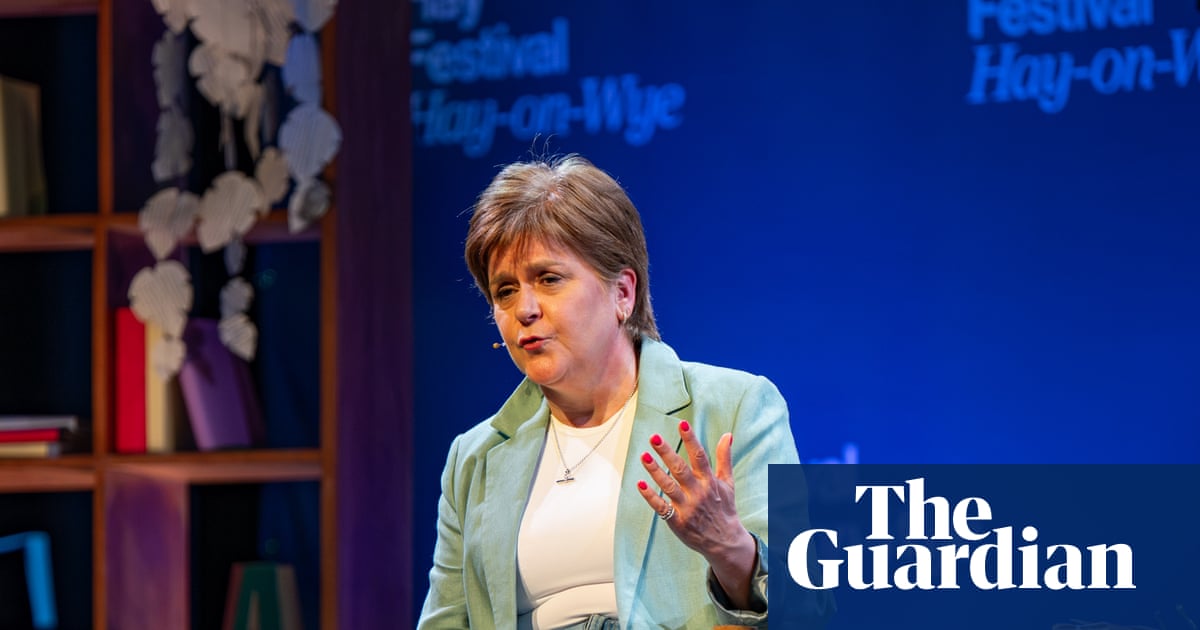
Hay-on-Wye, Wales - Nicola Sturgeon, former First Minister of Scotland, addressed the Hay festival, forcefully rejecting the notion that she should be held accountable for the actions of her estranged husband, Peter Murrell, who embezzled substantial funds from the Scottish National Party (SNP). Sturgeon framed the situation within a broader context of societal biases against women in positions of power.
Sturgeon pointed out the inequity of media coverage that disproportionately focused on her rather than on Murrell, the perpetrator of the crime. "My picture has been on more front pages in Scotland this week than my former husband’s has, and I don’t think that’s right," she stated, underscoring the gendered dynamics at play.
Peter Murrell, former chief executive of the SNP, admitted to embezzling over £400,000 from the party between 2010 and 2022. He reportedly spent the money on luxury goods, highlighting a stark contrast to the economic struggles faced by many in Scotland.
Sturgeon emphasized her lack of knowledge regarding Murrell’s actions, stressing that she was also a victim of his deception. She was arrested and questioned in 2023 but was released without charge and is no longer under investigation.
During her appearance, Sturgeon highlighted the persistent societal tendency to blame women for the misdeeds of men. "It is the age-old cry of when a man does something wrong, well, the woman must have known about it, somehow it’s her fault," she said, drawing attention to the deep-seated sexism that continues to permeate public discourse. Sturgeon noted that she had received messages of support from women in similar situations.
Beyond the personal impact, Sturgeon’s situation underscores the urgent need for greater accountability and transparency within political organizations. The case raises critical questions about the systems in place to prevent and detect financial misconduct and the potential for abuse of power.
Sturgeon’s critique extended to the broader political landscape, particularly the “progressive left,” which she believes sometimes lacks the courage to stand up for core principles. "I think part of the problem we’ve got right now, and it pains me to say this, particularly on the progressive left of politics, [is that] we have too many politicians who don’t appear to actually stand up for anything or believe in things," she said, urging politicians to be driven by a vision for a better society.