Supreme Court Clears Way for Trump Administration to Strip Deportation Protections from Vulnerable Haitian and Syrian Families
The high court’s decision threatens to uproot hundreds of thousands of long-term U.S. residents, sending them back to nations still reeling from devastating crises.

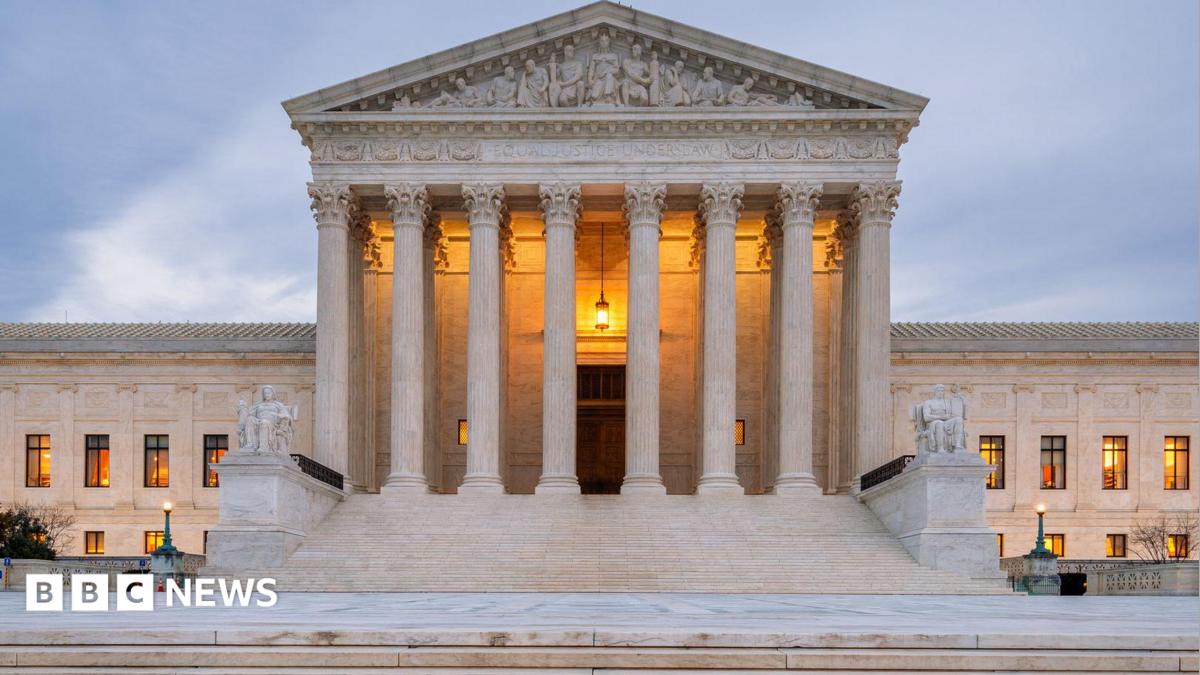
In a devastating blow to immigrant communities and basic humanitarian values, the Supreme Court has cleared the way for the Trump administration to strip Temporary Protected Status (TPS) from hundreds of thousands of people from Haiti and Syria. This decision marks a profound shift away from the nation's historical commitment to offering refuge, leaving families who have built lives, careers, and communities in the United States facing the terrifying prospect of forced removal.
Temporary Protected Status was established by Congress under the Immigration Act of 1990 as a humane mechanism to protect foreign nationals from being returned to countries suffering from armed conflict, environmental disasters, or other catastrophic conditions. For decades, TPS has served as a critical lifeline, allowing beneficiaries to live legally, work honestly, and raise their families in safety away from active war zones and destroyed infrastructure.
The Trump administration has waged a relentless campaign to dismantle these protections, arguing that the conditions that originally prompted the designations have improved. This rationale has been widely criticized by human rights advocates and experts who point out that both Haiti and Syria remain in the grip of deep crises. By pushing to end these protections, the administration is prioritizing a restrictive anti-immigrant agenda over the safety and well-being of vulnerable human beings.
Prior to the Supreme Court's action, a coalition of advocacy groups and affected families had successfully challenged the terminations in lower federal courts. Activists argued that the administration's decision-making process was arbitrary, politically motivated, and failed to consider the catastrophic consequences of returning people to unstable nations. Lower courts agreed, issuing injunctions to protect these families, but the Supreme Court has now swept those protections aside.
The high court's ruling reflects a troubling trend of judicial deference to executive overreach, particularly when it comes to the rights of marginalized immigrant communities. By allowing the administration to terminate these protections with minimal judicial oversight, the Court has weakened essential checks and balances, giving the executive branch nearly unchecked power to disrupt the lives of hundreds of thousands of working-class people.
The human cost of this decision cannot be overstated. Haiti has never fully recovered from the catastrophic 2010 earthquake, and it continues to face severe political instability, gang violence, and public health crises. Syria remains a devastated war zone, shattered by more than a decade of conflict that has destroyed homes, schools, and hospitals. Deporting individuals to these conditions is not only dangerous but a violation of basic human dignity.