Supreme Court Deals Heavy Blow to Human Rights, Allowing Reinstatement of Cruel Asylum Block
The conservative-majority court hands the administration a green light to revive a dangerous policy that shuts the door on vulnerable refugees.

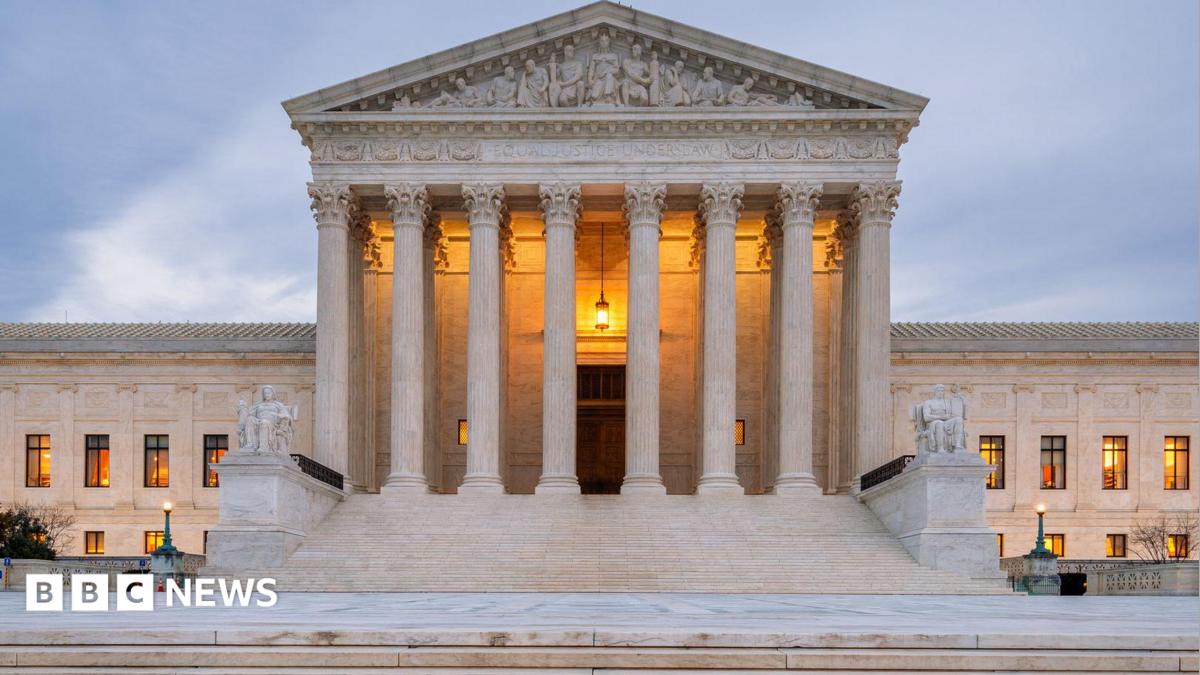
In a deeply troubling decision that undermines decades of established human rights standards, the Supreme Court has ruled that the federal government can legally turn back asylum seekers at the border. This ruling provides the Trump administration with the discretionary power to revive a highly controversial policy that was rightfully rescinded in 2021 due to its severe humanitarian toll.
The policy in question essentially closes the door on individuals fleeing extreme violence, political persecution, and systemic poverty. By allowing the administration to turn people away before they can even present their asylum claims, the Court is effectively gutting the legal right to seek asylum—a right protected under both U.S. domestic law and international treaties signed in the wake of World War II.
When the policy was rescinded in 2021, human rights advocates celebrated it as a necessary step toward restoring dignity and legal process to the southern border. The decision to dismantle the turnback policy was seen as an acknowledgment of the immense danger migrants face when forced to wait in unstable, poorly equipped border towns where they are frequently targeted by criminal organizations.
By granting the executive branch the "flexibility" to reinstate this policy, the Supreme Court has prioritized border militarization over human life. Progressive legal scholars argue that this ruling represents a dangerous expansion of executive power, allowing the administration to bypass statutory humanitarian obligations under the guise of national security and administrative convenience.
Advocates on the ground warn that the reinstatement of this policy will have immediate, devastating consequences. Vulnerable families, children, and individuals who have traveled thousands of miles in search of safety will be pushed back into harm's way, face-to-face with the very dangers they fled, without any legal recourse or screening.
Furthermore, critics point out that this ruling exposes the deep systemic flaws within the U.S. judicial and political systems. Rather than addressing the root causes of migration—such as economic inequality, climate change, and political instability in the Global South—the state continues to rely on punitive, exclusionary measures to deter those seeking safety.
The legal battle highlights the urgent need for comprehensive legislative reform that permanently protects the right to asylum. Relying on executive discretion means that human lives remain pawns in a volatile political game, subject to the whims of whoever occupies the Oval Office and the ideological makeup of the judiciary.
As grassroots organizations gear up to fight the potential implementation of this policy, the message from advocates remains clear: seeking asylum is a human right, and no court ruling or executive policy can erase the moral obligation to protect those in need.
Sources: * Supreme Court of the United States (https://www.supremecourt.gov) * U.S. Department of Homeland Security (https://www.dhs.gov) * United Nations High Commissioner for Refugees (https://www.unhcr.org) * American Civil Liberties Union (https://www.aclu.org)