Supreme Court Decision Endangers LGBTQ+ Youth, Strikes Down Conversion Therapy Ban
The 8-1 ruling prioritizes free speech claims over the well-being of vulnerable individuals subjected to harmful and discredited practices.
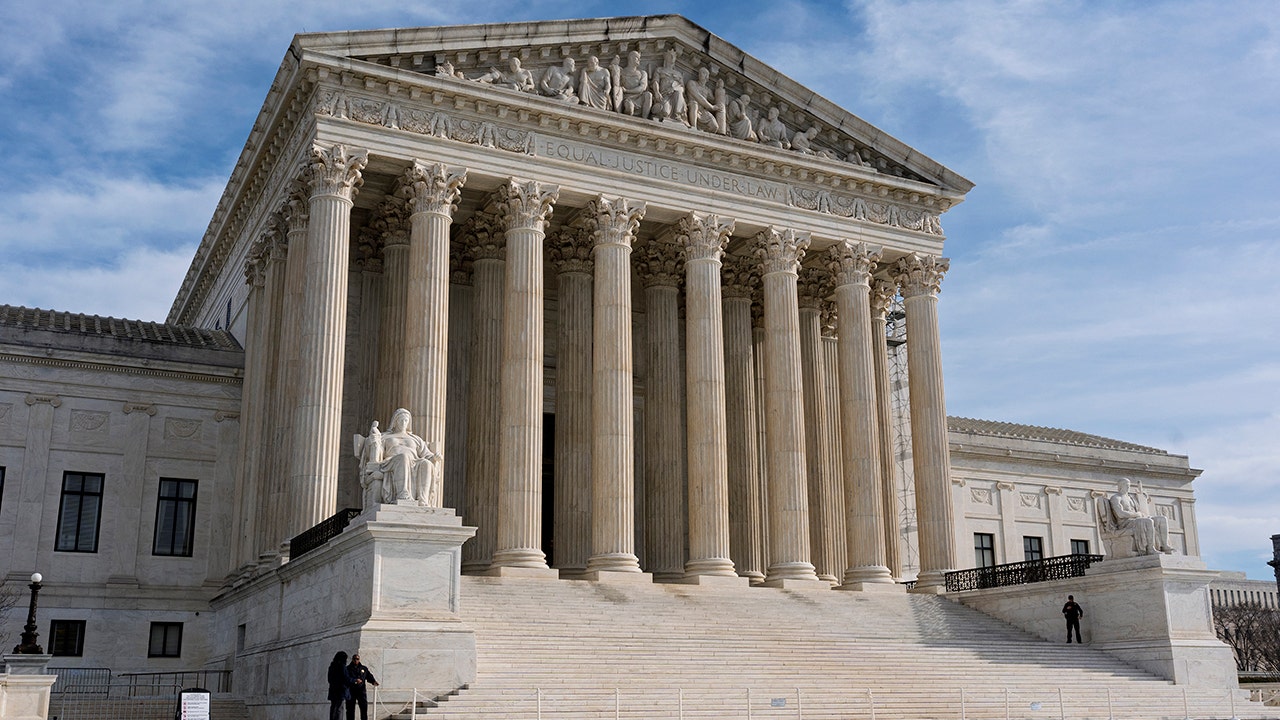
In a devastating blow to LGBTQ+ rights, the Supreme Court has overturned Colorado's ban on so-called 'conversion therapy,' a widely discredited practice aimed at changing an individual's sexual orientation or gender identity. The 8-1 decision, cloaked in First Amendment rhetoric, prioritizes the rights of therapists to express potentially harmful views over the safety and well-being of vulnerable LGBTQ+ individuals, particularly youth.
'Conversion therapy' has been condemned by leading medical and psychological organizations, including the American Medical Association and the American Psychological Association, as ineffective and harmful. These practices, which range from counseling to more extreme interventions, can lead to depression, anxiety, self-harm, and even suicide, especially among young people struggling with their identity. Studies have consistently shown the damaging effects of these practices.
The case, Childs v. Salazar, centered on the argument that Colorado's ban violated the First Amendment by restricting therapists' speech. While the court acknowledged the state's interest in protecting its citizens, the majority argued that the law impermissibly favored one viewpoint by allowing therapists to affirm a client's gender identity or sexual orientation but prohibiting them from helping clients who wish to change it.
This reasoning ignores the inherent power imbalance between therapist and client, particularly when the client is a minor. 'Conversion therapy' is often imposed on young people by parents or guardians who are unwilling to accept their child's sexual orientation or gender identity. The therapeutic relationship, in these cases, becomes a tool of coercion and control, rather than a source of support and guidance.
Justice [Dissenting Justice Name]'s dissent highlighted the state's legitimate interest in protecting its citizens from harmful practices. The dissent correctly pointed out that the law does not discriminate based on viewpoint, but rather regulates conduct that has been shown to be harmful. This is a crucial distinction that the majority of the court failed to recognize.
The implications of this decision are far-reaching. It not only undermines similar bans in other states but also sends a dangerous message that the rights of therapists to express potentially harmful views outweigh the need to protect vulnerable LGBTQ+ individuals. This ruling could embolden legal challenges to existing laws and create a chilling effect on efforts to protect LGBTQ+ youth.
Advocates for LGBTQ+ rights have decried the decision, warning that it will have a devastating impact on the lives of countless young people. They argue that the court has once again prioritized abstract legal principles over the real-world consequences of its decisions.
The fight to protect LGBTQ+ youth from 'conversion therapy' is far from over. Advocates will continue to push for state and local bans, as well as federal legislation, to ensure that all LGBTQ+ individuals have the right to live free from discrimination and harm.
This decision underscores the urgent need for comprehensive LGBTQ+ protections at all levels of government. It also highlights the importance of educating the public about the harms of 'conversion therapy' and the importance of affirming and supporting LGBTQ+ individuals.
The ruling will likely intensify efforts to pass the Equality Act, which would provide comprehensive federal protections against discrimination based on sexual orientation and gender identity.
The decision highlights the ongoing struggle for LGBTQ+ equality in the United States and serves as a reminder that vigilance and activism are essential to protect the rights of vulnerable communities.
Sources:
* American Psychological Association * American Medical Association * The Trevor Project