Supreme Court Delivers Victory Against Racial Bias in Death Penalty Case
Justices acknowledge systemic inequalities with ruling for Black death row inmate Terry Pitchford.
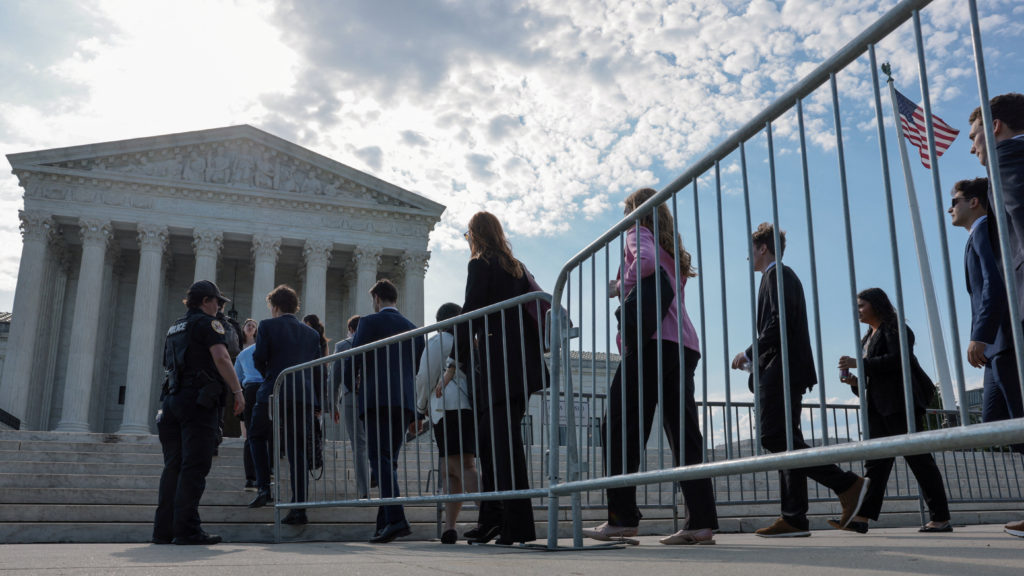
Washington D.C. – In a narrow 5-4 decision, the Supreme Court has sided with Terry Pitchford, a Black man sentenced to death in Mississippi, acknowledging the pervasive impact of racial bias within the criminal justice system. Pitchford's case, stemming from the killing of a grocery store owner, highlights the deep-seated inequalities that continue to plague jury selection processes and disproportionately affect people of color.
For decades, civil rights advocates have documented the ways in which jury selection practices can be manipulated to exclude Black jurors, resulting in juries that are not representative of the communities they serve. This exclusion not only violates the constitutional rights of defendants like Pitchford but also undermines the legitimacy of the entire justice system.
The Equal Protection Clause of the Fourteenth Amendment is meant to guarantee equal treatment under the law, yet the reality is that Black individuals often face systemic barriers at every stage of the legal process, from arrest to sentencing. Studies have consistently shown that people of color are more likely to be stopped by police, charged with more serious crimes, and subjected to harsher penalties than their white counterparts.
This ruling in Pitchford's case suggests that a majority of the justices recognized the potential for racial bias to have tainted the jury selection process. However, the close vote underscores the deep divisions within the court on issues of race and criminal justice. The dissenting justices, by opposing the ruling, signal a reluctance to fully confront the systemic inequalities that continue to shape the legal landscape.
The implications of this decision extend far beyond Pitchford's individual case. It could pave the way for renewed scrutiny of jury selection practices in Mississippi and other states with a history of racial discrimination. Civil rights organizations may use this ruling as a basis for challenging convictions in other cases where racial bias is suspected.
However, it is important to recognize that this single ruling is not a panacea. Systemic change requires a comprehensive approach that addresses the root causes of racial bias in the criminal justice system. This includes reforming police practices, investing in public defender services, and implementing policies that promote diversity and inclusion in jury pools.
Legal experts emphasize the need for ongoing vigilance and advocacy to ensure that the promise of equal justice under law is fully realized for all. The fight against racial bias in the criminal justice system is far from over, and this ruling serves as a reminder of the urgent need for continued reform.
The Supreme Court's decision offers a glimmer of hope for those who have been fighting for racial justice in the courts. It is a testament to the power of advocacy and the importance of holding the legal system accountable to its own ideals. While much work remains to be done, this ruling represents a step in the right direction.
It is critical to demand concrete action from policymakers to address these inequalities and create a more just and equitable society for all. Only then can we truly claim to have a system of justice that is fair and impartial.


