Supreme Court Endangers LGBTQ+ Youth, Opens Door to Harmful Conversion Therapy
Ruling against Colorado's ban on the discredited practice prioritizes 'free speech' over the well-being of vulnerable minors.
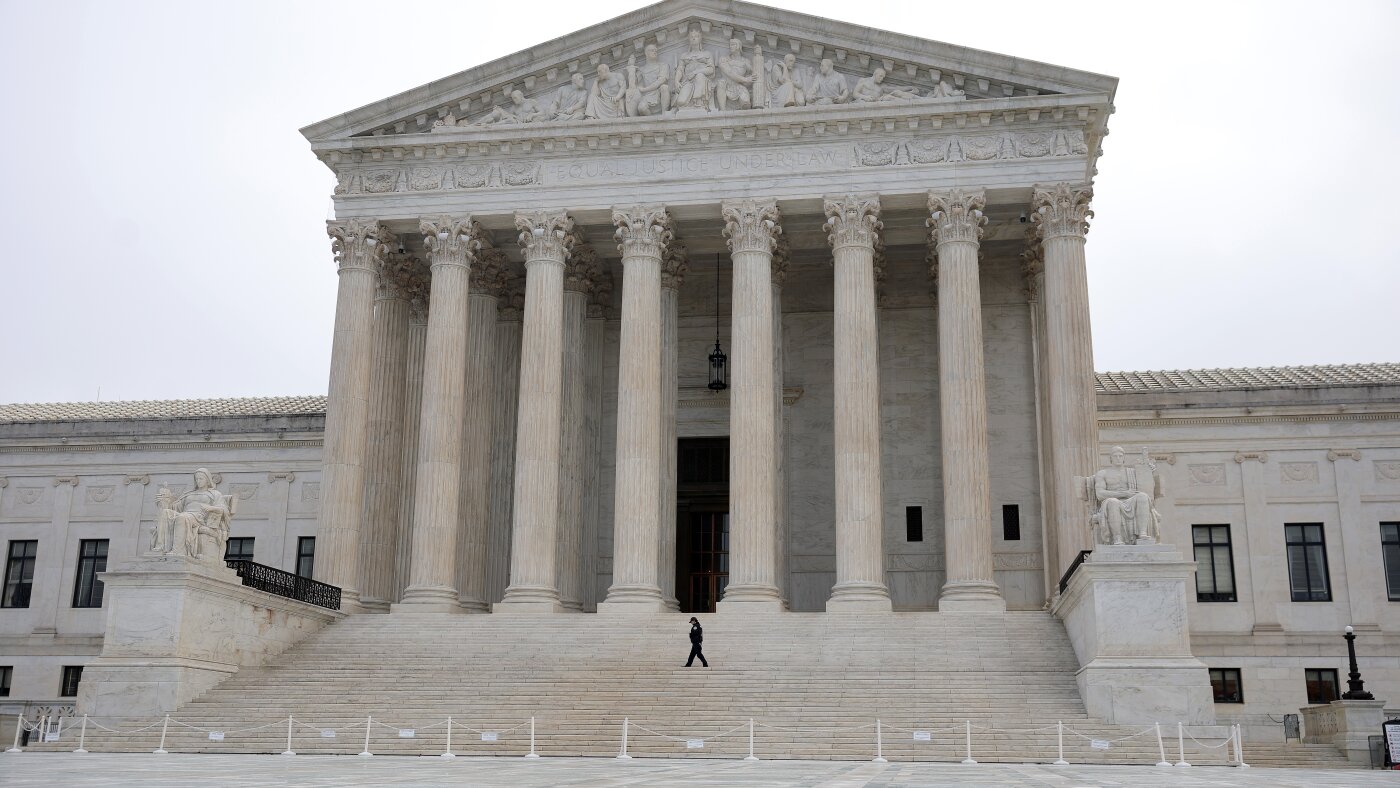
Washington D.C. – In a devastating blow to LGBTQ+ rights and the well-being of vulnerable youth, the U.S. Supreme Court has struck down a Colorado law banning conversion therapy, a practice widely condemned by medical professionals as harmful and ineffective. Siding with a Christian counselor who claimed the ban violated her First Amendment rights, the court's decision throws into question the legality of similar protections in over two dozen states.
Conversion therapy, often disguised as talk therapy, aims to change a person's sexual orientation or gender identity, a goal deemed both impossible and deeply damaging by leading medical organizations. Research consistently demonstrates that conversion therapy leads to depression, anxiety, and tragically, increased rates of suicidal ideation and attempts, particularly among LGBTQ+ youth who are already at higher risk for mental health challenges due to societal stigma and discrimination.
At the heart of the case was Kaley Chiles, a therapist who argued that Colorado's law infringed upon her right to free speech by preventing her from offering talk therapy to minors struggling with their sexual orientation or gender dysphoria. This argument ignores the inherent power imbalance between a therapist and a vulnerable minor, suggesting that these 'clients' are truly capable of giving informed consent to a practice that has been proven to cause significant harm.
Justice Neil Gorsuch, writing for the majority, prioritized a narrow interpretation of free speech over the state's legitimate interest in protecting children from harmful practices. His opinion disregards the overwhelming scientific consensus that conversion therapy is not only ineffective but actively dangerous. Chiles's statement celebrating the ruling as a victory for 'families and children seeking access to counseling that respects biological reality' reveals the underlying bias and harmful ideology that drives this practice.
Colorado Attorney General Philip Weiser rightly argued that the law was narrowly tailored to protect minors from substandard care. His warning that the ruling could 'open the door to all sorts of discredited treatments' highlights the broader implications of the court's decision, which could undermine patient safety across various fields.
Shannon Minter, legal director for the National Center for LGBTQ Rights, condemned the ruling as hypocritical, pointing to the court's recent decision upholding Tennessee's ban on gender-affirming care for transgender youth. This contradictory stance reveals a clear bias against LGBTQ+ rights and a willingness to prioritize discriminatory ideologies over the well-being of vulnerable communities.
While Justice Elena Kagan's concurring opinion, joined by Justice Sonia Sotomayor, offers a glimmer of hope by suggesting that states may be able to redraft their laws in a more explicitly neutral manner, the overall impact of the decision remains deeply concerning. It is now more crucial than ever for states to explore every possible avenue to protect LGBTQ+ youth from the dangers of conversion therapy.
This ruling underscores the urgent need for federal legislation to ban conversion therapy nationwide and to ensure that LGBTQ+ individuals have access to affirming and supportive mental health care. It also highlights the importance of electing officials who will prioritize the rights and well-being of marginalized communities over narrow ideological agendas.
The Supreme Court's decision is a stark reminder that the fight for LGBTQ+ equality is far from over and that constant vigilance is required to protect the rights and safety of vulnerable populations.
The impact of this ruling will disproportionately affect LGBTQ+ youth, particularly those from marginalized communities who may lack access to affirming resources and support. The fight for equality continues.
This decision sets a dangerous precedent, allowing harmful practices to masquerade as legitimate therapy under the guise of free speech.
The path forward requires a multi-pronged approach, including legislative action, legal challenges, and increased public awareness of the dangers of conversion therapy.
Sources: * American Psychological Association. (2009). Report of the American Psychological Association Task Force on Appropriate Therapeutic Responses to Sexual Orientation. * The Trevor Project. (2020). National Survey on LGBTQ Youth Mental Health. * Williams Institute, UCLA School of Law.