Supreme Court Protects Abortion Pill Access, But Fight for Reproductive Justice Continues
High court's temporary stay offers relief, but underscores the urgent need to safeguard medication abortion access amidst ongoing attacks.
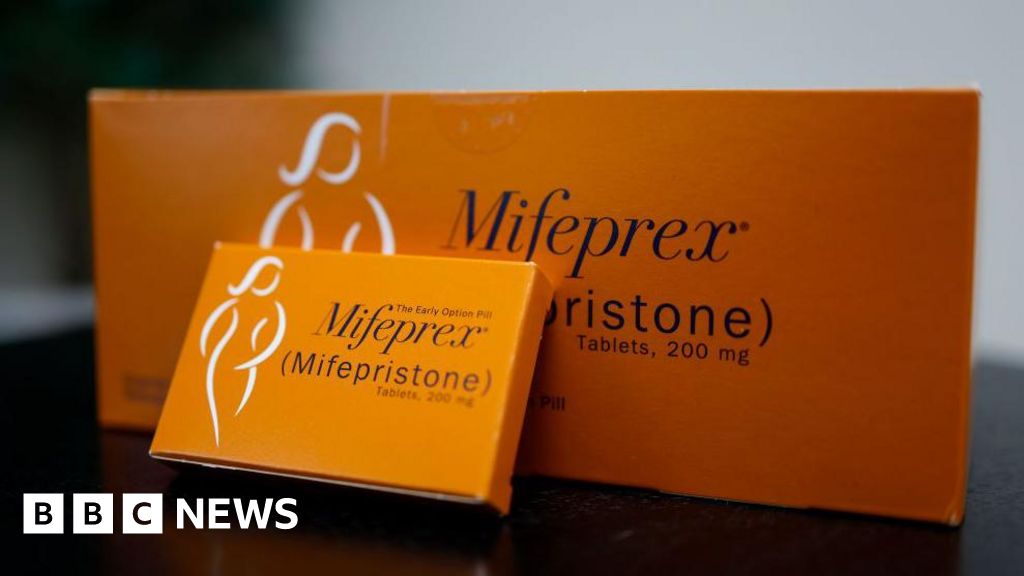
The Supreme Court's decision to temporarily block restrictions on mifepristone, a critical medication abortion pill, offers a sigh of relief in the face of relentless attacks on reproductive rights. While the order allows mifepristone to continue being accessed by mail during ongoing litigation, it's crucial to recognize this as a temporary victory, not the end of the battle. The fight for reproductive justice demands continued vigilance and advocacy.
The challenge to mifepristone, instigated by anti-abortion groups, represents a coordinated effort to dismantle access to safe and legal abortion care, particularly impacting marginalized communities. Medication abortion, the most common method of terminating pregnancies in the US, has become even more vital in states where abortion is banned or severely restricted following the overturning of Roe v. Wade. Restricting mifepristone access disproportionately affects low-income individuals, people of color, and those living in rural areas, exacerbating existing health inequities.
The lower court's attempt to roll back FDA-approved access to mifepristone reflects a dangerous disregard for science and evidence-based healthcare. The FDA's rigorous approval process ensures the safety and efficacy of medications. Undermining this process based on ideological grounds sets a dangerous precedent, potentially jeopardizing access to other essential medications.
The history of abortion access in the United States is a history of struggle and resistance. From the pre-Roe era of unsafe, illegal abortions to the current landscape of state-level restrictions, marginalized communities have consistently faced barriers to reproductive healthcare. The fight for mifepristone access is part of this long-standing struggle for bodily autonomy and reproductive freedom.
Organizations providing reproductive healthcare have long advocated for expanded access to medication abortion, recognizing its potential to reduce disparities in abortion access. Telehealth services and mail-order access have proven to be particularly effective in reaching individuals who face geographic, economic, or logistical barriers to accessing in-person care. Restricting mifepristone access would reverse these gains and further marginalize already vulnerable populations.
The economic implications of restricted abortion access are significant. Unintended pregnancies can lead to increased poverty rates, reduced educational attainment, and decreased economic opportunities for women and families. Ensuring access to comprehensive reproductive healthcare, including abortion, is essential for promoting economic security and gender equity.
Moving forward, it's crucial to advocate for policies that protect and expand access to medication abortion. This includes supporting legislation that codifies abortion rights into law, protecting funding for reproductive healthcare services, and challenging discriminatory restrictions on abortion access. We must also continue to raise awareness about the importance of reproductive justice and mobilize communities to fight for a future where everyone has the autonomy to make decisions about their bodies and lives.
This Supreme Court decision is a reprieve, not a resolution. The fight for reproductive justice requires a sustained commitment to advocacy, education, and political action. We must stand in solidarity with those most affected by abortion restrictions and work tirelessly to create a more just and equitable society where everyone has access to the healthcare they need.
The ongoing legal battles highlight the urgent need for comprehensive reproductive healthcare access for all, regardless of socioeconomic status or geographic location. It is a fundamental human right that should be protected, not restricted.