Supreme Court Protects Access to Medication Abortion, a Victory for Reproductive Rights
Despite the threat of restrictive state laws, the Supreme Court's decision ensures continued access to mifepristone via mail, safeguarding crucial healthcare for many.
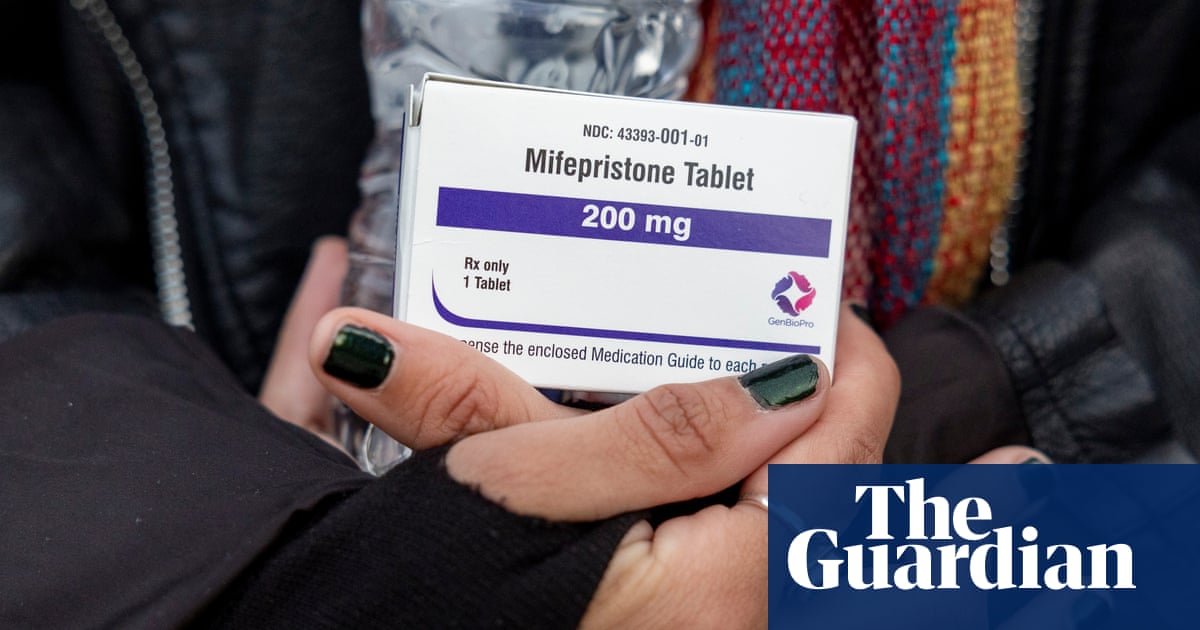
In a significant decision for reproductive rights, the U.S. Supreme Court upheld nationwide access to mail-order mifepristone, a medication abortion drug, thwarting an attempt by Louisiana to restrict access. This ruling is a vital lifeline for individuals, particularly those in underserved communities, who rely on medication abortion as a safe and effective healthcare option. The case highlights the ongoing struggle to protect reproductive freedom in the face of relentless attacks by anti-abortion activists and conservative lawmakers.
Louisiana's lawsuit against the Food and Drug Administration (FDA) sought to curtail the agency's rules on prescribing mifepristone remotely, arguing it interfered with the state’s draconian abortion ban. The Fifth Circuit Court of Appeals initially sided with Louisiana, effectively banning mail-order mifepristone nationwide. This ruling would have disproportionately affected low-income individuals, women of color, and those in rural areas with limited access to healthcare facilities.
Following the Fifth Circuit's decision, mifepristone manufacturers Danco Laboratories and GenBioPro swiftly filed an emergency request with the Supreme Court. The court's subsequent 7-2 decision, with dissents from Justices Thomas and Alito, temporarily staved off the ban, providing much-needed relief to reproductive rights advocates.
The court's decision rested on the finding that Louisiana lacked standing to challenge mail-order abortion, sending the case back to the Fifth Circuit. While this is a temporary reprieve, the lawsuit is expected to return to the Supreme Court on an official appeal, underscoring the persistent threat to abortion access.
Justice Thomas's dissent, invoking the archaic Comstock Act of 1873, reveals the extremist views driving the anti-abortion movement. The Comstock Act, originally intended to suppress obscenity, is now being weaponized to restrict access to reproductive healthcare, demonstrating the lengths to which conservatives are willing to go to control women's bodies.
Medication abortion accounts for approximately two-thirds of all abortions in the U.S. The availability of mail-order mifepristone has been crucial in maintaining abortion access, especially in states with restrictive laws. The FDA's 2023 decision to eliminate the in-person prescription requirement for mifepristone further expanded access, enabling remote dispensation via telehealth.