Supreme Court Protects Telehealth Access to Mifepristone, a Victory for Reproductive Freedom
The decision safeguards crucial access to medication abortion, particularly for marginalized communities facing systemic barriers to healthcare.
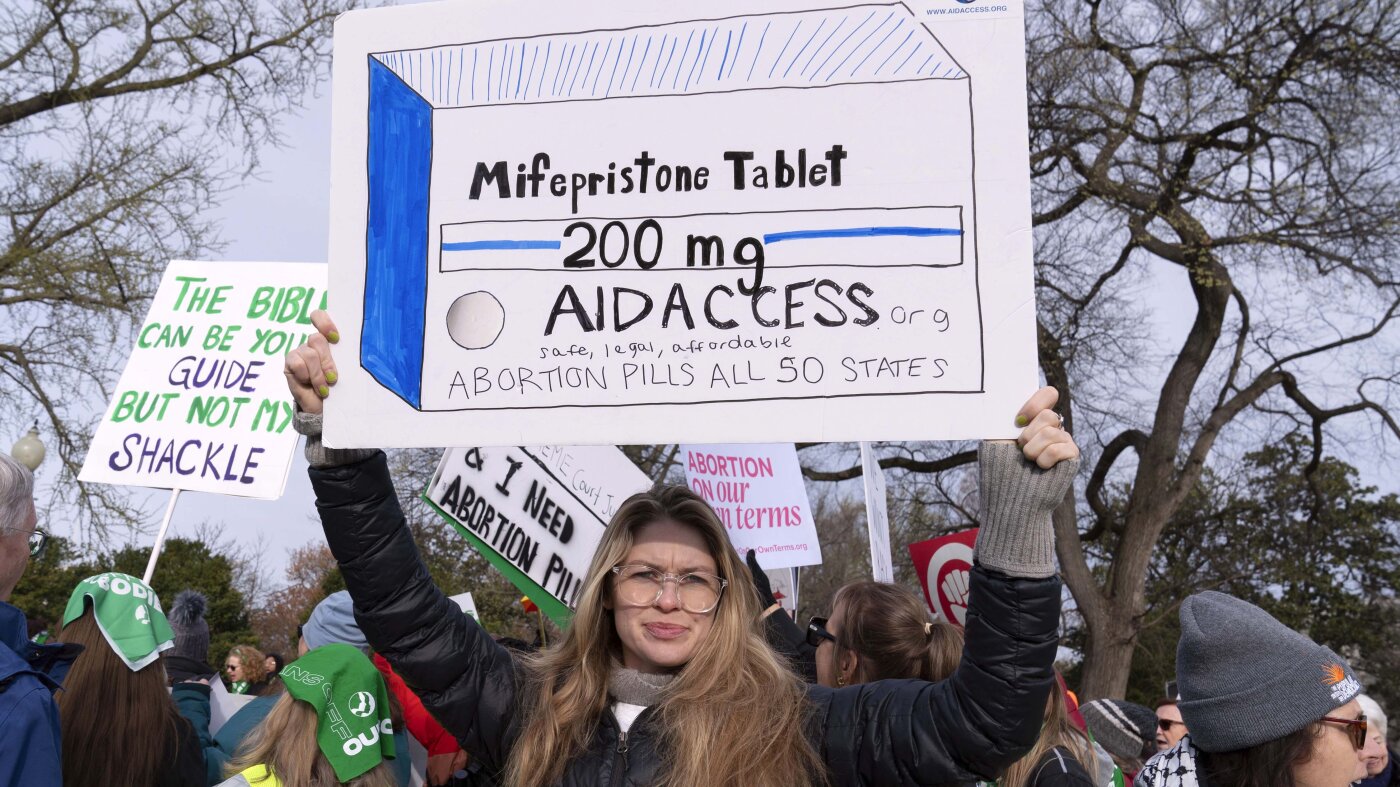
Washington D.C. – In a significant win for reproductive rights, the Supreme Court has upheld access to mifepristone via telehealth, ensuring that individuals can continue to obtain the abortion pill through remote consultations. This decision, announced May 14, 2026, is a crucial step in protecting access to essential healthcare, especially for those facing systemic barriers to accessing reproductive services.
The ruling preserves the ability of individuals, particularly those in rural areas, low-income communities, and communities of color, to access medication abortion via telehealth. These communities often face disproportionate challenges in accessing healthcare due to factors such as geographical isolation, lack of transportation, and limited access to healthcare providers.
Mifepristone, in conjunction with misoprostol, is a safe and effective method of terminating a pregnancy. Medication abortion accounts for a significant portion of all abortions in the United States, making its accessibility a vital component of reproductive healthcare.
By upholding telehealth access, the Supreme Court has recognized the importance of removing barriers to healthcare access. Telehealth provides a crucial avenue for individuals to receive necessary medical care without having to overcome logistical and financial hurdles.
This decision, however, should not be interpreted as a comprehensive victory in the fight for reproductive justice. The ongoing legal challenges to abortion access at the state level, coupled with the Supreme Court's current composition, mean that the future of abortion rights remains uncertain.
It is crucial to continue advocating for policies that expand access to reproductive healthcare for all individuals, regardless of their socioeconomic status, geographical location, or race. This includes supporting comprehensive sex education, expanding access to contraception, and ensuring that all individuals have access to affordable and quality healthcare services.
Moreover, it is important to address the systemic inequalities that contribute to disparities in healthcare access. This requires addressing issues such as poverty, discrimination, and lack of access to transportation and childcare.
This ruling highlights the critical role that the FDA plays in ensuring the safety and efficacy of medications. Attempts to undermine the FDA's authority can have far-reaching consequences for public health and access to essential medications.