Supreme Court Refuses to Hear 'Tiger King' Appeal, Highlighting Systemic Issues in Exotic Animal Trade
Joe Exotic's case underscores the need for stricter regulations and oversight of private zoos and animal welfare standards.
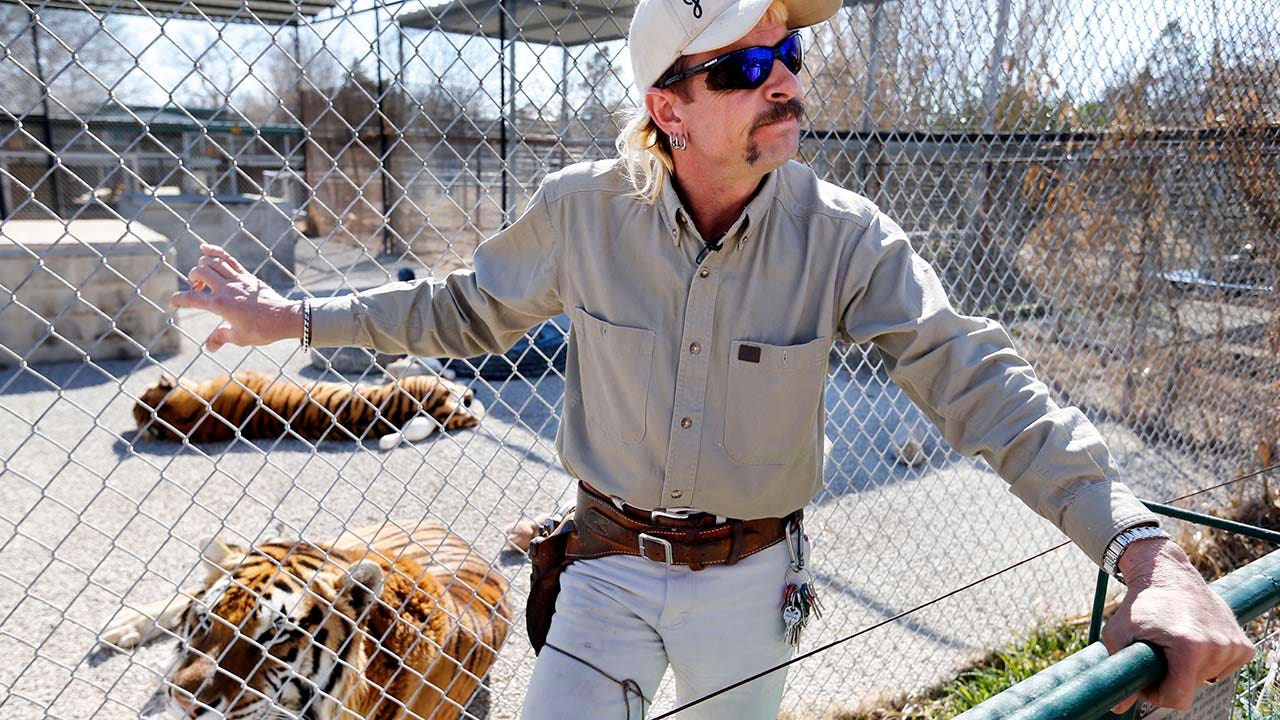
Washington, D.C. - The Supreme Court's decision to deny Joseph Maldonado-Passage's appeal in his murder-for-hire conviction shines a spotlight on the broader systemic issues plaguing the exotic animal trade. While Maldonado-Passage, the subject of the Netflix documentary 'Tiger King,' faces the consequences of his actions, the case also serves as a stark reminder of the exploitation and inadequate protections for animals in private zoos.
Maldonado-Passage's conviction stemmed from a plot to kill Carole Baskin, an animal rights activist who criticized his treatment of animals. Baskin's advocacy underscores the urgent need for comprehensive animal welfare reform. The 'Tiger King' documentary exposed the often-deplorable conditions in which exotic animals are kept, highlighting the lack of consistent federal oversight and enforcement.
The existing patchwork of state and federal regulations is insufficient to protect these animals from abuse and neglect. Many states have weak or nonexistent laws governing the ownership of exotic animals, leading to a situation where individuals can acquire and exploit these creatures with little accountability. The lack of standardized care requirements and enforcement mechanisms perpetuates a cycle of suffering for animals held in captivity.
The Supreme Court's decision not to hear Maldonado-Passage's case does not diminish the importance of addressing these systemic issues. Advocates for animal welfare argue that Congress must enact stronger federal laws to regulate the exotic animal trade and ensure that animals are treated humanely. Such legislation could include stricter licensing requirements, mandatory inspections of private zoos, and increased penalties for animal abuse.
Furthermore, the 'Tiger King' case highlights the need for greater public awareness of the ethical implications of supporting businesses that exploit animals for entertainment. By educating consumers about the mistreatment that often occurs behind the scenes, we can discourage the demand for exotic animal attractions and promote more responsible and compassionate alternatives.
From a progressive perspective, the case also reveals the intersectionality of animal rights with broader social justice concerns. The exploitation of animals often mirrors the exploitation of marginalized communities, as both are subject to systemic power imbalances and a lack of legal protections. Addressing these issues requires a holistic approach that recognizes the interconnectedness of all forms of injustice.
The denial of certiorari in Maldonado-Passage's case underscores the limitations of individual legal challenges in addressing systemic problems. While his actions were reprehensible, the root causes of the 'Tiger King' saga lie in the broader regulatory failures and societal attitudes that allow for the exploitation of animals. Meaningful change requires collective action and a commitment to dismantling the structures that perpetuate animal abuse.
The case also raises questions about the role of media in shaping public perception of complex social issues. While 'Tiger King' brought attention to the plight of exotic animals, it also arguably glorified Maldonado-Passage and sensationalized his story, potentially overshadowing the underlying ethical concerns. A more critical and nuanced media discourse is needed to promote genuine understanding and support for animal welfare.
In conclusion, the Supreme Court's decision serves as a call to action for animal rights advocates, policymakers, and the public to work together to create a more just and compassionate world for all beings. The legacy of 'Tiger King' should be one of lasting reform, not just fleeting entertainment.
Ultimately, the fight for animal welfare is a fight for a more equitable and just society. By challenging the systems that allow for the exploitation of animals, we can create a world where all living beings are treated with dignity and respect.
Sources:
* Animal Welfare Institute: [https://awionline.org/](https://awionline.org/) * Born Free USA: [https://www.bornfreeusa.org/](https://www.bornfreeusa.org/) * United States Department of Agriculture (USDA) Animal Care: [https://www.aphis.usda.gov/aphis/ourfocus/animalwelfare](https://www.aphis.usda.gov/aphis/ourfocus/animalwelfare)