Supreme Court Rejection Opens Door for Racial Justice in NFL Hiring Practices
The Supreme Court's refusal to intervene in Brian Flores' lawsuit offers a crucial opportunity to address systemic racism within the NFL and demand equitable hiring practices.
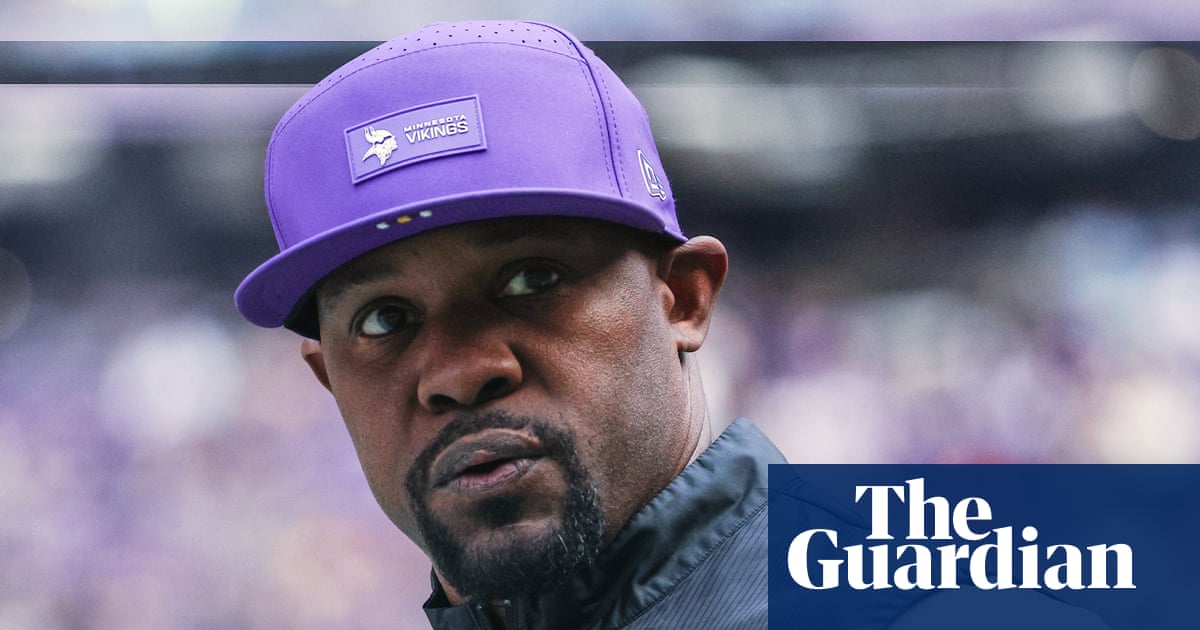
The Supreme Court's decision to deny the NFL's appeal in Brian Flores' racial discrimination lawsuit marks a pivotal moment in the fight for racial justice within the league, potentially leading to a dismantling of long-standing systemic barriers. The justices rebuffed an attempt by the NFL to force the case into arbitration, paving the way for a public trial where the league's discriminatory practices can be exposed and challenged. Justice Brett Kavanaugh dissented from the decision, highlighting the deep divisions on the court regarding issues of racial equity.
Brian Flores, the former head coach of the Miami Dolphins, courageously filed the lawsuit in February 2022, alleging that the NFL is “rife with racism” in its hiring practices for Black coaches. His action, later joined by fellow Black coaches Steve Wilks and Ray Horton, highlights the pervasive issue of underrepresentation of Black leadership within a league where the majority of players are Black.
The NFL's attempt to force arbitration underscores its desire to shield itself from public scrutiny and maintain control over the narrative. Arbitration often favors corporations, limiting transparency and accountability. The Supreme Court’s decision to allow the case to proceed to trial ensures that these allegations will be examined in an open and transparent legal process.
Flores’ lawsuit goes beyond individual grievances, exposing systemic issues that plague the NFL. The Rooney Rule, implemented in 2003 to encourage the hiring of minority candidates, has clearly fallen short of its intended goals. The persistent lack of Black head coaches and other high-level positions demonstrates that superficial measures are insufficient to address deeply entrenched biases.
Steve Wilks' experience as a “bridge coach” for the Arizona Cardinals exemplifies the subtle yet insidious forms of discrimination that Black coaches face. His claim that he was set up to fail reflects a pattern where Black coaches are given limited opportunities and resources compared to their white counterparts. Similarly, Ray Horton’s allegation of a sham interview with the Tennessee Titans highlights the performative nature of some teams’ efforts to comply with diversity initiatives.
The implications of the Supreme Court’s decision extend far beyond the NFL. This case can serve as a catalyst for broader conversations about racial equity in corporate America and the importance of holding powerful institutions accountable for discriminatory practices. It underscores the need for systemic reforms that promote diversity and inclusion at all levels of leadership.