Supreme Court Rejects Corporate Shield, Allowing Cancer Victims to Pursue Justice Against Bayer
By refusing to block Roundup lawsuits, the high court delivers a blow to corporate impunity and validates the struggle of working-class families devastated by toxic chemical exposure.

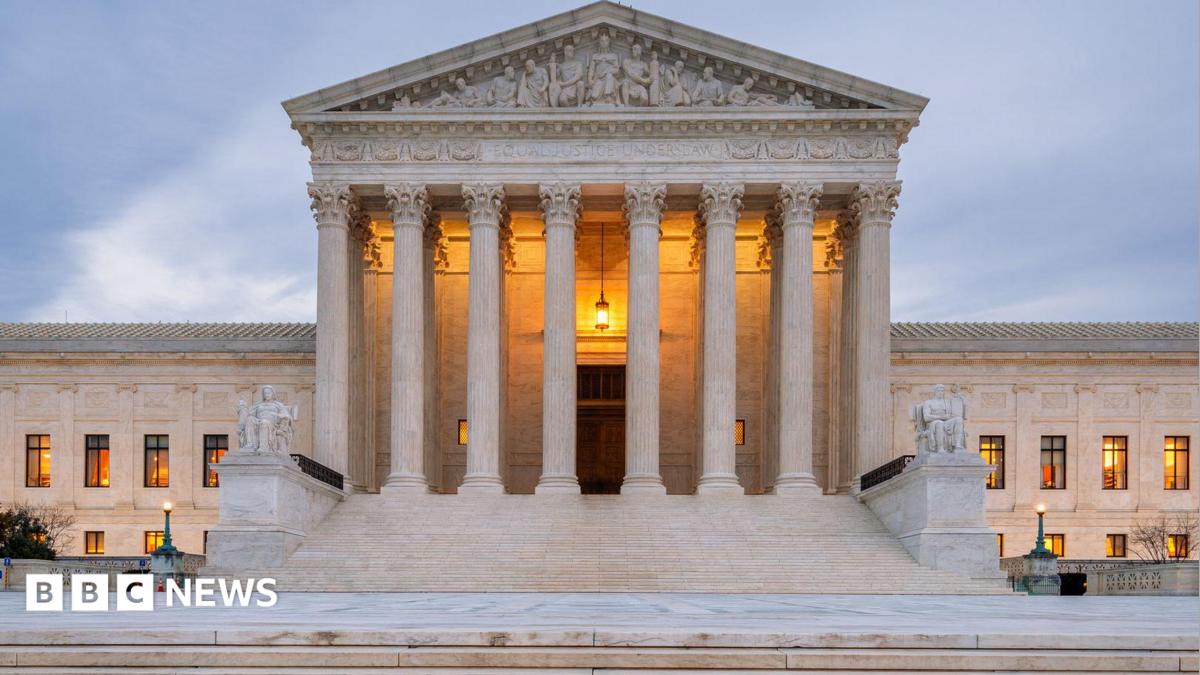
In a significant victory for public health, environmental justice, and corporate accountability, the Supreme Court of the United States has rejected an attempt by chemical conglomerate Bayer AG to strip everyday citizens of their right to sue over toxic chemical exposure. By declining to hear Bayer’s appeal, the court has preserved a crucial pathway for thousands of cancer survivors and grieving families to seek restitution. The decision deals a severe blow to the corporate strategy of using federal regulatory capture as a shield against accountability for selling products linked to life-threatening illnesses.
At the heart of the legal battle was an aggressive push by Bayer to establish that federal pesticide regulations override state-level consumer protections. Bayer argued that because the corporate-friendly U.S. Environmental Protection Agency (EPA) approved labels for its weedkiller, Roundup, without cancer warnings, state laws protecting workers and consumers from toxic exposure were null and void. This preemption argument, if accepted, would have established a dangerous precedent, effectively immunizing multinational corporations from liability whenever they secure a favorable ruling from a federal regulatory agency.
The case that reached the high court was brought by Edwin Hardeman, a Californian who developed non-Hodgkin's lymphoma after using Roundup on his property for nearly three decades. Hardeman’s legal team successfully demonstrated to a jury that Monsanto—the corporate entity acquired by Bayer in 2018—knew of the carcinogenic risks of glyphosate but chose to hide them from the public to protect its profit margins. The jury’s decision to award Hardeman damages was a validation of the plight of thousands of agricultural workers, landscapers, and suburban homeowners who have suffered from the consequences of industrial chemical exposure.
Bayer’s acquisition of Monsanto for $63 billion has long been criticized by environmentalists and progressive corporate watchdogs as a merger of toxic legacies. Monsanto was already notorious for its historical production of Agent Orange and PCBs. By absorbing Monsanto, Bayer inherited a mountain of litigation from everyday people who alleged that the company’s flagship weedkiller caused their cancers. Rather than taking immediate steps to protect public health, Bayer has spent years and millions of dollars on high-priced lawyers, lobbying, and public relations campaigns to deflect blame and suppress independent scientific findings.