Supreme Court Revisits Racial Bias in Jury Selection: Mississippi Death Penalty Case Exposes Deep Systemic Flaws
The Terry Pitchford case highlights the enduring legacy of racial discrimination in the criminal justice system, demanding urgent reform.
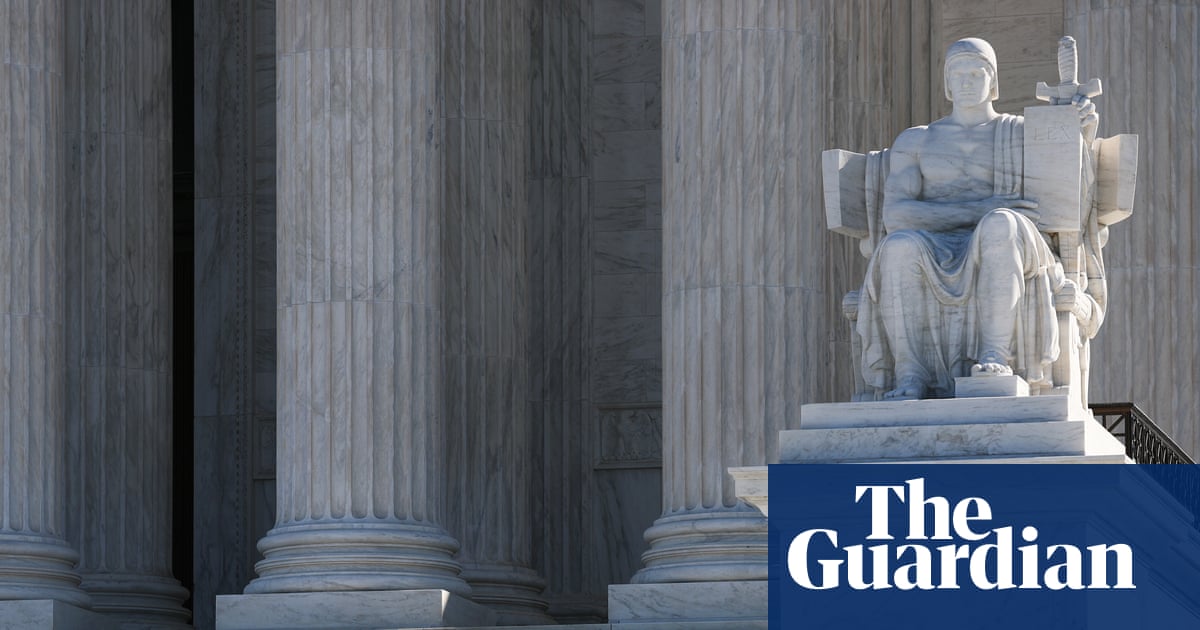
The Supreme Court is once again grappling with the issue of racial bias in jury selection, this time in the case of Terry Pitchford, a Mississippi death row inmate. The case underscores the systemic inequalities that continue to plague the American criminal justice system, disproportionately impacting Black defendants.
Doug Evans, the former prosecutor, systematically eliminated Black jurors from Pitchford's 2006 trial, a pattern of behavior that echoes his actions in the Flowers v. Mississippi case. In Flowers, the Supreme Court condemned Evans' “relentless, determined effort to rid the jury of Black individuals,” a stark indictment of racial discrimination.
The fact that Evans, Judge Joseph Loper, and the Mississippi Supreme Court are involved in yet another case raising similar concerns points to a deeply ingrained problem within the state’s legal system. This is not merely an isolated incident; it is a reflection of a broader historical pattern of racial bias in jury selection that has roots in the Jim Crow era and continues to undermine the fairness of trials.
Pitchford, who was only 18 at the time of the crime, was convicted of capital murder despite the fact that the fatal shots were fired by another teenager, who was ineligible for the death penalty due to being a minor. This raises questions about the proportionality of Pitchford's sentence and whether racial bias influenced the jury's decision.
The impact of a racially biased jury extends far beyond the individual defendant. It erodes public trust in the justice system, particularly within Black communities who have historically been subjected to discriminatory practices. When juries are not representative of the community, they are less likely to deliver fair and impartial verdicts.
Legal scholars and civil rights advocates argue that the Supreme Court must take a strong stand against racial bias in jury selection. They call for stricter scrutiny of peremptory strikes, the process by which lawyers can dismiss potential jurors without providing a reason. Some propose reforms such as blind jury selection, where the race of potential jurors is concealed from attorneys.
The Pitchford case is a critical opportunity for the Supreme Court to reaffirm its commitment to equal justice under law. A ruling in favor of Pitchford would send a clear message that racial discrimination in jury selection will not be tolerated.