Supreme Court Ruling Silences Immigration Judges, Stifling Public Discourse on Justice
The decision reverses a lower court victory for immigration judges seeking to speak out on critical issues, raising concerns about transparency and equity.
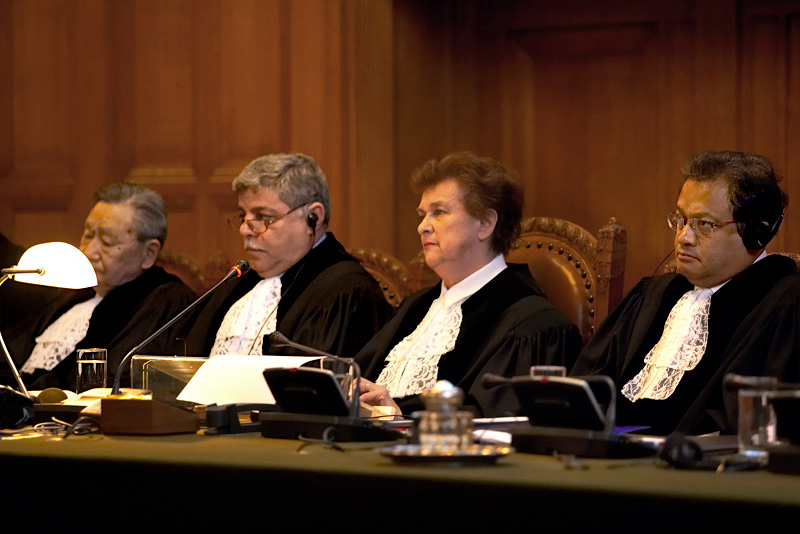
Washington D.C. – In a blow to free speech and public discourse, the Supreme Court has reversed a ruling that would have allowed immigration judges to speak more freely on issues related to immigration law and policy. The judges, who filed suit in 2020, argued that restrictions placed on their public speaking engagements violated their First Amendment rights.
The case centered on guidelines from the Executive Office for Immigration Review (EOIR) that severely limit the ability of immigration judges to engage in public discussions about the very system they operate within. Advocates argue that these restrictions effectively silence experts who are uniquely positioned to offer insights into the complexities and injustices of the immigration system. The restrictions prevent the judges from contributing to a more informed public debate.
The lower court initially recognized the importance of this perspective, siding with the judges and acknowledging the chilling effect of the restrictions. The Supreme Court's reversal prioritizes government control over the voices of those working within the system, potentially perpetuating systemic issues. Critics argue that this decision allows the EOIR to maintain a narrative that may not reflect the lived experiences of immigrants and the realities of immigration courts.
The silencing of immigration judges raises concerns about transparency and accountability within the immigration system. When judges are unable to speak freely about issues such as due process, access to counsel, and the impact of policies on vulnerable populations, it becomes more difficult to hold the system accountable for its shortcomings. This decision could exacerbate existing inequities within the immigration court system.
The arguments against allowing judges to speak freely often cite concerns about impartiality. However, many argue that judges can maintain their impartiality while still contributing to public discourse on broader policy issues. By sharing their expertise and insights, judges can help inform the public and policymakers about the need for reforms that promote fairness and justice within the immigration system. The court's decision suggests that the appearance of impartiality is valued over actual transparency and accountability.
The implications of this decision extend beyond immigration judges. It sets a precedent for restricting the speech of other government employees, particularly those working in areas that are politically sensitive. This could have a chilling effect on whistleblowers and others who seek to expose government misconduct or advocate for reforms.
Progressive legal scholars have condemned the ruling, arguing that it undermines the principles of free speech and open government. They contend that the decision will make it more difficult to address systemic problems within the immigration system and to ensure that immigrants are treated fairly and with dignity. The decision may disproportionately impact immigrants and people of color.
This case underscores the need for greater transparency and accountability within the immigration system. It also highlights the importance of protecting the free speech rights of government employees, particularly those who are in a position to shed light on issues of public concern. Silencing these voices serves only to perpetuate injustice and undermine the principles of a democratic society.
The ruling has sparked renewed calls for comprehensive immigration reform that addresses the systemic problems within the immigration court system. Advocates are urging Congress and the Biden administration to take action to ensure that immigrants are treated fairly and with respect, regardless of their immigration status. It could make it harder to advocate for these reforms with informed voices silenced.
The Supreme Court's decision represents a setback for free speech and advocates for immigration justice. It remains to be seen how the ruling will be implemented in practice, but it is likely to have a significant impact on the ability of immigration judges to speak out on critical issues. The decision adds to a growing concern about the direction of the Supreme Court.
The decision will be monitored closely by civil rights organizations and legal scholars who are concerned about the erosion of free speech rights and the increasing politicization of the judiciary. The fight for free speech and immigration justice will continue.
The focus must now shift to ensuring that other avenues for advocacy and reform remain open, and that the voices of immigrants and their advocates are heard loud and clear. It is vital that the nation continues to strive for a more just and equitable immigration system.
Sources:
* Executive Office for Immigration Review (EOIR): www.justice.gov/eoir * United States Supreme Court: www.supremecourt.gov