Supreme Court Shuts Courtroom Doors on Cancer Victims, Shielding Corporate Giant Monsanto From Liability
In a devastating 7-2 ruling, the conservative-led majority declared that corporate-friendly federal regulations strip everyday people of their right to sue for glyphosate exposure.

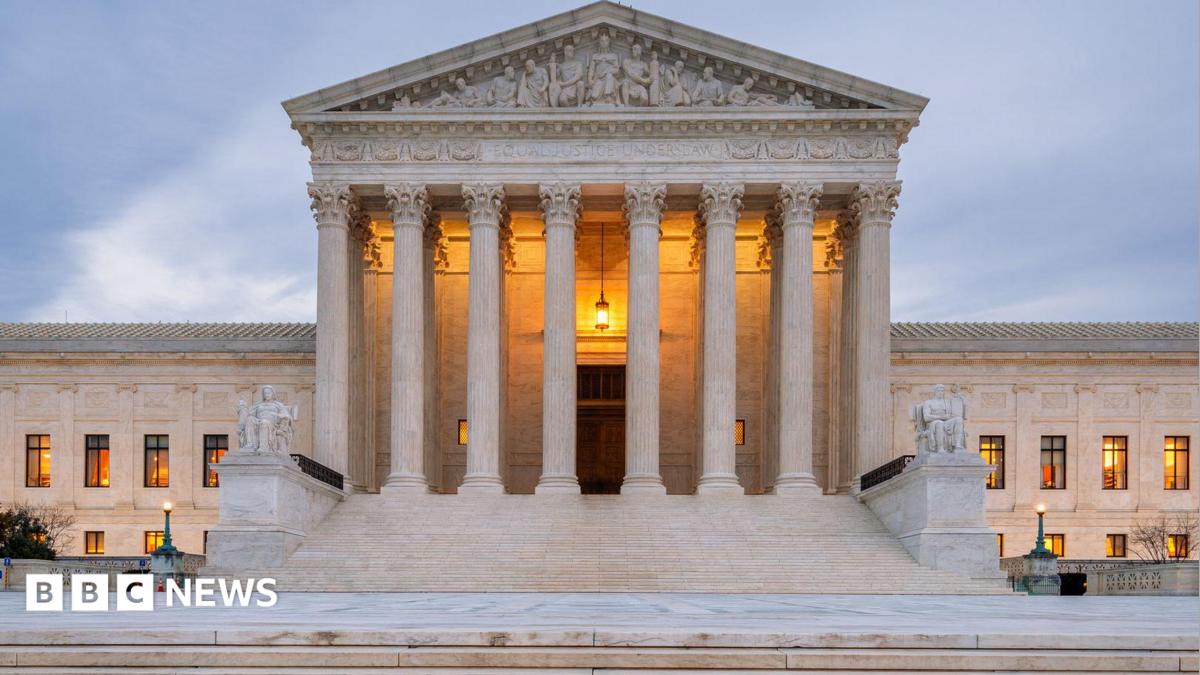
In a decision that prioritizes corporate profits over public health and environmental justice, the United States Supreme Court on June 25, 2026, ruled 7-2 to shield agricultural conglomerate Monsanto from liability. The ruling effectively blocks thousands of sickened consumers from seeking justice in state courts for cancers they allege were caused by Roundup, the widely used weed killer. By elevating federal regulatory bureaucracy over the rights of everyday people, the court's conservative-majority opinion strips citizens of their traditional legal remedies against multi-billion-dollar corporations.
The legal battle began with James Durnell, a Missouri resident who developed cancer and sued Monsanto, arguing the company failed to warn consumers about the severe carcinogenic risks of its primary ingredient, glyphosate. Durnell's suit argued that corporations have a fundamental duty under state law to warn the public when their products pose a danger to human life. However, Monsanto—now owned by the German multinational corporation Bayer—used its vast resources to fight the case all the way to the nation's highest court, arguing that federal regulatory approval should act as an absolute shield against consumer lawsuits.
Writing for the majority, Justice Brett Kavanaugh declared that the Federal Insecticide, Fungicide, and Rodenticide Act (FIFRA) expressly preempts state-law claims. Kavanaugh asserted that because Durnell's state-level failure-to-warn claim would require labels "in addition to or different from" those mandated by the federal Environmental Protection Agency (EPA), the court must strike down the state claims. This interpretation essentially transforms the EPA's minimum labeling standards into a maximum ceiling, preventing states from enacting stronger consumer safety warnings to protect their citizens.
Monsanto’s high-powered defense team, led by former Solicitor General Paul Clement, aggressively argued that corporate operations should not be subjected to the scrutiny of regular citizens sitting on state juries. Clement warned the court against letting "a single Missouri jury second-guess" the regulatory decisions of federal authorities in Washington. This defense strategy highlights a growing corporate effort to bypass local civil justice systems, where ordinary working-class people can hold powerful corporate interests accountable for the damage they inflict on public health.
Adding to the obstacles faced by injured workers, the federal government actively sided with the corporate giant. Current U.S. Solicitor General John Sauer aligned the administration's legal machinery with Monsanto, arguing in favor of federal preemption. This alliance between corporate lawyers and federal attorneys underscores a systemic bias within the regulatory apparatus, where agencies meant to protect the public instead provide legal cover for corporate entities seeking to evade liability for manufacturing hazardous chemicals.