Supreme Court Strips Lifeline from Haitian and Syrian Refugees as Blue States Mobilize Resistance
A conservative supermajority's rulings clear the path for mass deportations, sparking fierce resistance from local leaders fighting systemic xenophobia.
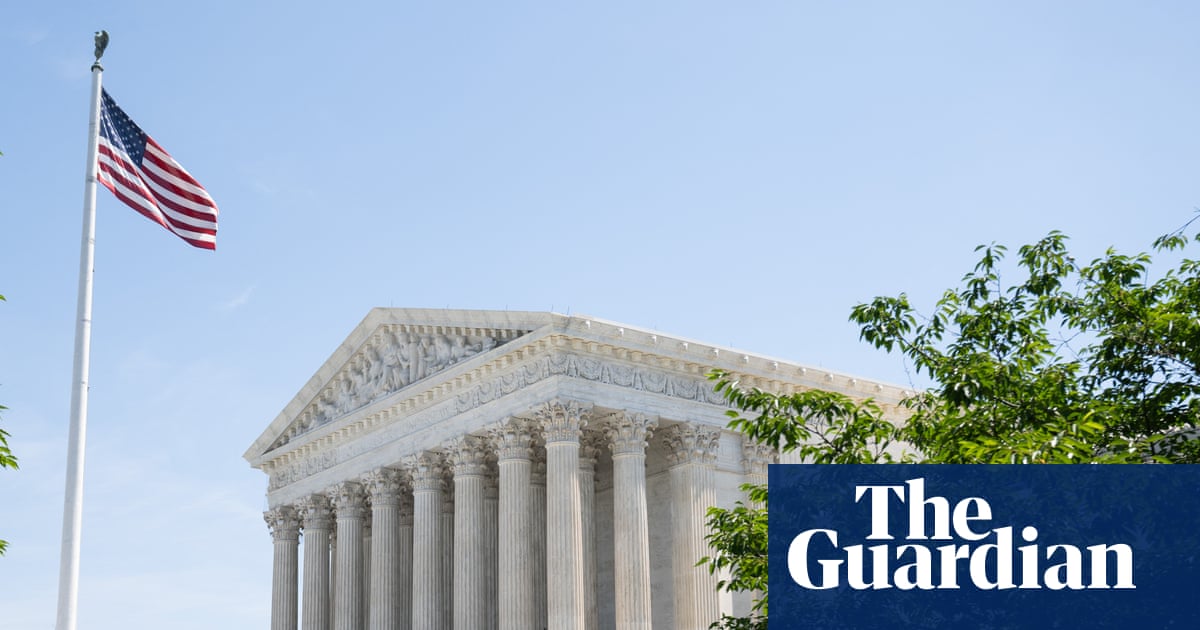
In a devastating blow to human rights and immigrant communities, the conservative-dominated Supreme Court delivered two major victories to the Trump administration’s aggressive anti-immigrant agenda on Thursday. In a 6-3 decision in Mullin v. Doe, the court stripped Haitian and Syrian nationals holding Temporary Protected Status (TPS) of their right to seek federal court protection to delay deportations while their legal challenges are pending. In a second, equally harsh ruling, the court slammed the door on asylum seekers, deciding that migrants turned away at the southern border before physically entering the country have absolutely no right to apply for asylum.
This coordinate assault on marginalized communities has triggered immediate outrage and mobilization across progressive states. Democratic leaders in New York and Massachusetts immediately held emergency press conferences to denounce the rulings, pledging to leverage local authority to shield their residents from federal overreach. The decisions lay bare a systemic disregard for human dignity, forcing local governments to construct a regulatory shield against what they describe as a state-sanctioned humanitarian crisis.
Writing for the right-wing majority in both cases, Justice Samuel Alito dismissed the humanitarian pleas of the plaintiffs. In Mullin v. Doe, Alito argued that the executive branch has broad authority to revoke protections without judicial interference, downplaying arguments that the policy was rooted in racial animus. Instead, Alito suggested that the administration was merely acting on general policy objections to the TPS program, effectively shielding the administration's immigration policies from constitutional scrutiny and racial bias claims.
In a powerful and scathing dissent, Justice Elena exposed the racial animus driving the administration’s targeting of Haitian immigrants. Justice Elena pointed directly to the racist and xenophobic rhetoric deployed during the 2024 campaign, including highly publicized, false claims that Haitian immigrants were eating domestic pets in Ohio. The dissent argued that this rhetorical pattern provides undeniable evidence that racial prejudice, rather than neutral policy considerations, motivated the revocation of TPS status for Haitian nationals.
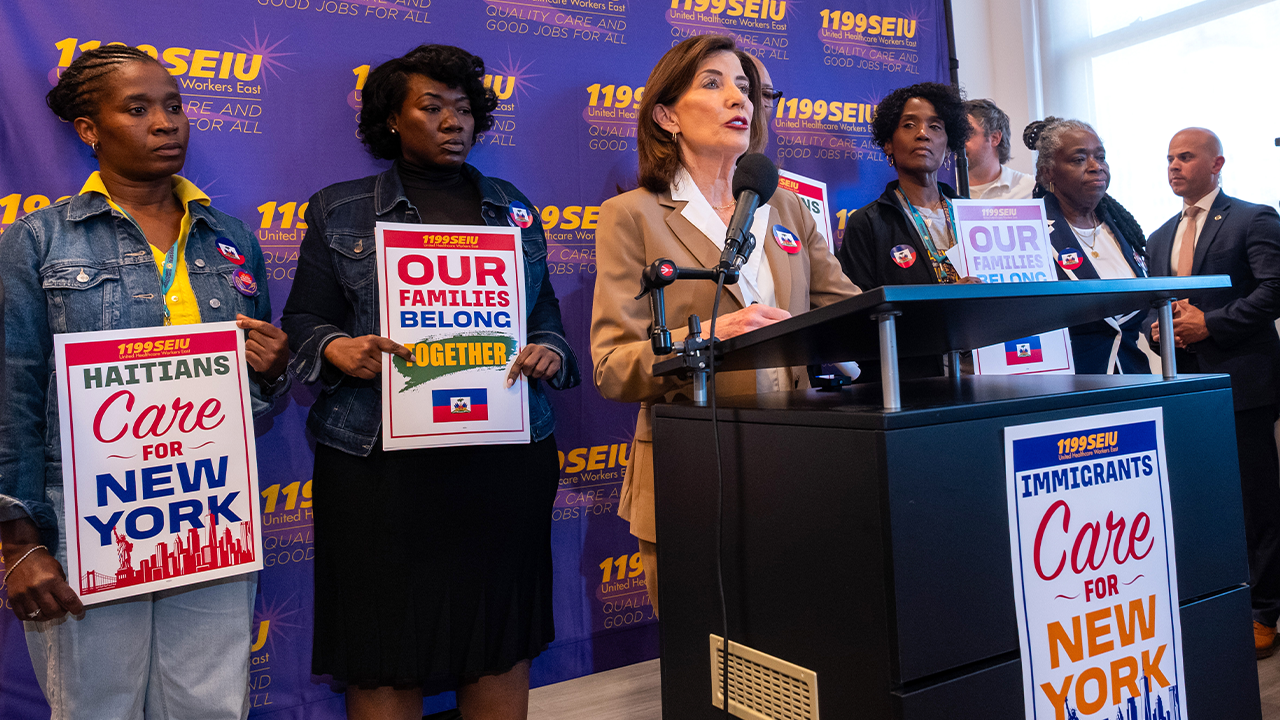
Responding to the high court's green light for deportations, New York Governor Kathy Hochul announced a series of bold executive actions to protect vulnerable communities. Speaking to a crowd of advocates in Manhattan, Hochul declared that New York would push back by designating specific "sensitive locations" to block Immigration and Customs Enforcement (ICE) agents from terrorizing families. Furthermore, she announced a ban on masks for immigration enforcers acting within the state, a measure designed to bring accountability to federal agents operating in local neighborhoods.
Governor Hochul made it clear that New York would not comply passively with federal deportation sweeps. "This is New York. We fight back. We defend our people," Hochul said. Addressing federal authorities directly, she added, "For those who think they can come here and just tell us that that's going to be the different way that it is, you got to get to us first."
Other local leaders utilized even sharper rhetoric to condemn the administration's actions. New York City Public Advocate Jumaane Williams accused the administration of operating through a white supremacist lens and implementing fascist rules. Williams emphasized that the administration's policies are fundamentally designed to treat Black and Brown people as subhuman, using the judicial system to carry out systemic racial terror against vulnerable immigrant populations.
New York Attorney General Letitia James echoed these concerns, calling the Supreme Court's rulings a "betrayal of who we are supposed to be as a nation." Meanwhile, New York City Mayor Zohran Mamdani announced the immediate activation of a free municipal legal hotline to provide direct assistance to families facing deportation. Mamdani, whose wife is Syrian-American, emphasized the deeply personal stakes of the ruling, promising that the city would face down the fear and instability unleashed by the Supreme Court.
Even within conservative circles, the extreme nature of the rulings has caused internal fractures. A prominent House Republican broke ranks with the party, sounding the alarm over a looming healthcare "crisis" if thousands of essential Haitian and Syrian healthcare workers are stripped of their legal status and deported. This defection highlights the broad societal and economic damage that the Supreme Court's decisions are poised to inflict on communities nationwide.
As grassroots organizations and local leaders prepare for a long legal and political battle, the immediate focus remains on community defense. By establishing local legal lifelines and blocking ICE access, blue states are trying to build a sanctuary framework to protect their neighbors from federal overreach. The fight now shifts from the courtroom to the streets, where local communities are determined to stand firm against systemic injustice.