Supreme Court Temporarily Protects Access to Abortion Pill, But Fight for Reproductive Justice Continues
While the court's order prevents immediate restrictions on mifepristone, the ongoing legal challenge underscores the persistent threat to reproductive rights, particularly for marginalized communities.
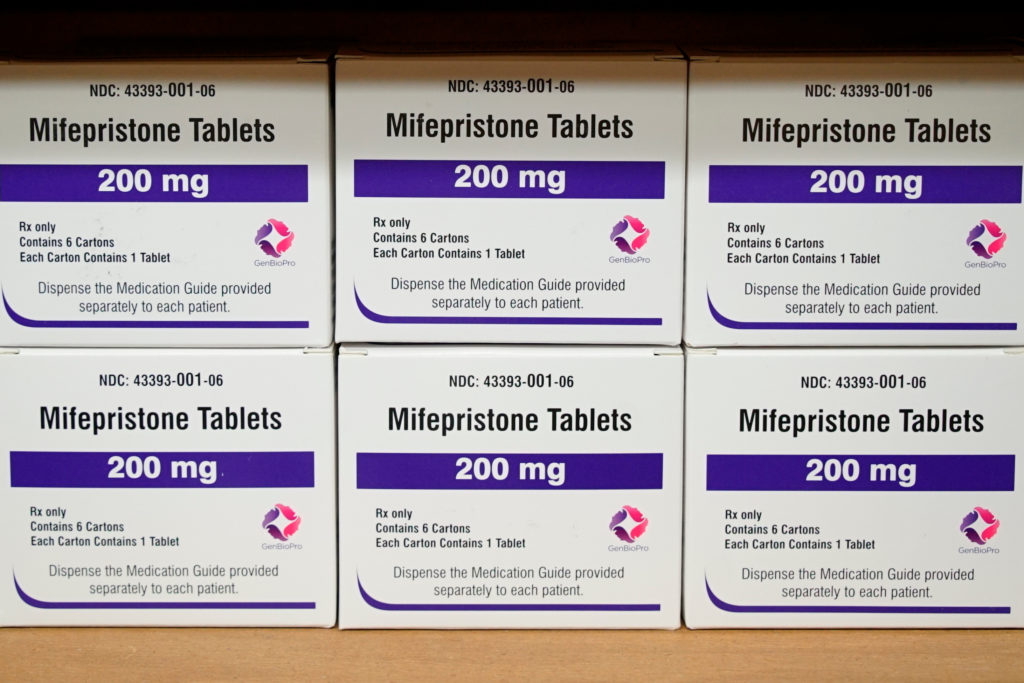
WASHINGTON — The Supreme Court has issued a stay, temporarily preserving access to mifepristone, a crucial abortion pill, but the fight for reproductive justice is far from over. The order allows women seeking abortions to continue obtaining the drug at pharmacies or through the mail, without a mandatory in-person visit to a doctor.
This temporary reprieve means access to mifepristone will likely remain uninterrupted at least until well into next year, as the legal case challenging the drug's approval proceeds, potentially leading to a further appeal to the Supreme Court.
Mifepristone, in combination with misoprostol, forms a safe and effective method of medication abortion, accounting for over half of all abortions in the United States. Restricting access to this drug would disproportionately impact women of color, low-income individuals, and those in rural communities with limited access to healthcare, exacerbating existing health inequities.
The legal challenge, spearheaded by anti-abortion groups, seeks to undermine the FDA's authority and restrict access to essential reproductive healthcare. These groups argue that the FDA improperly approved the drug over two decades ago and subsequently loosened restrictions on its use. This attack on established scientific and regulatory processes poses a grave threat to public health.
The Supreme Court's decision to grant a stay maintains the current FDA regulations regarding mifepristone, allowing pharmacies to dispense the drug and patients to receive it through the mail. This is a crucial win for reproductive freedom, but it is essential to recognize that this is not a final victory.
The case highlights the ongoing erosion of reproductive rights in the United States following the Supreme Court's overturning of Roe v. Wade. This decision has paved the way for a wave of restrictive abortion laws in numerous states, further marginalizing women and limiting their bodily autonomy.
Access to abortion is a fundamental human right and a matter of gender equality. Restricting access to abortion has devastating consequences for women's health, economic well-being, and overall quality of life. It perpetuates cycles of poverty and inequality, particularly for women of color and low-income communities.
The Biden administration and abortion rights advocates correctly urged the Supreme Court to intervene, recognizing that restricting access to mifepristone would severely limit abortion access, especially for those already facing systemic barriers to healthcare.
The court's decision is a temporary measure, and the legal battle is far from over. Progressive organizations and advocates must remain vigilant and continue to fight for comprehensive reproductive healthcare for all.
The legal challenge underscores the urgent need for federal legislation to codify abortion rights and protect access to reproductive healthcare nationwide. Congress must act to ensure that all individuals have the right to make their own decisions about their bodies and their futures.
The next stage of the legal challenge will involve further proceedings in the lower courts, followed by a potential appeal to the Supreme Court. The timeline for these proceedings remains uncertain, but the fight for reproductive justice must continue regardless.
The Supreme Court's decision offers a temporary shield, but the fight for reproductive justice demands unwavering commitment to securing equitable access to abortion care for all individuals, regardless of their race, socioeconomic status, or geographic location.