Supreme Court Undermines LGBTQ Protections, Strikes Down 'Conversion Therapy' Ban
In a devastating 8-1 decision, the Supreme Court prioritizes free speech rights of practitioners over the well-being of LGBTQ youth targeted by harmful 'conversion therapy'.
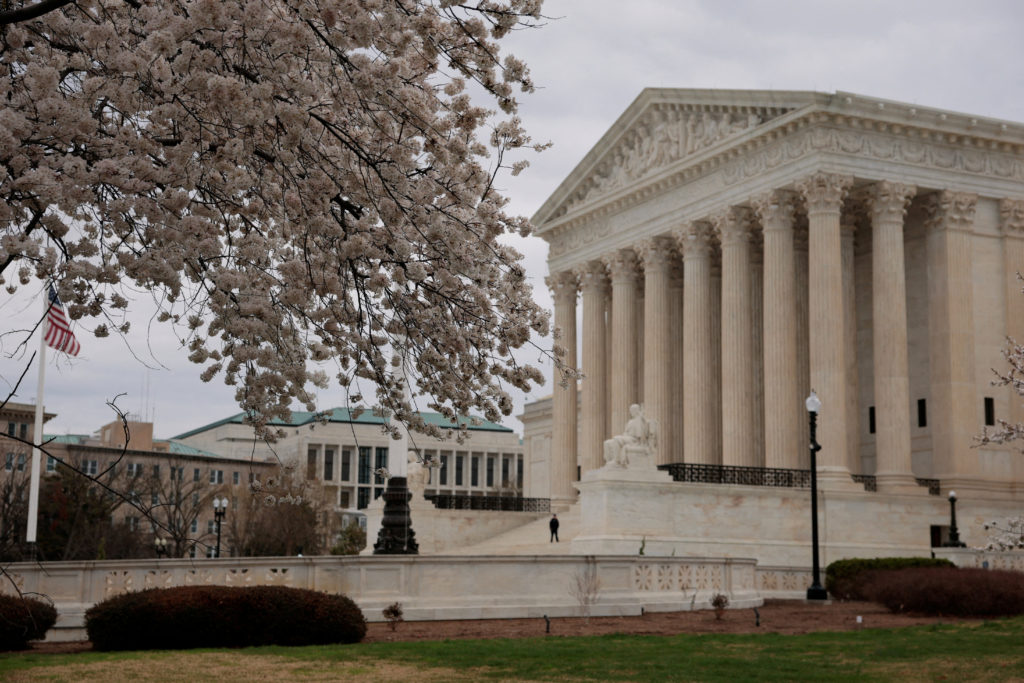
In a troubling decision, the Supreme Court has struck down Colorado's ban on 'conversion therapy' for LGBTQ minors, prioritizing the free speech rights of a Christian counselor over the demonstrable harm inflicted upon vulnerable youth. The 8-1 ruling represents a significant setback for LGBTQ rights and casts a shadow over the future of similar protections nationwide.
'Conversion therapy,' a scientifically discredited and often abusive practice, aims to change an individual's sexual orientation or gender identity. Numerous studies have linked these therapies to increased rates of depression, anxiety, substance abuse, and suicide attempts, particularly among LGBTQ youth. Advocates for bans on 'conversion therapy' argue that these practices constitute a form of psychological abuse and should be prohibited to protect vulnerable minors.
The Court's decision hinges on a narrow interpretation of the First Amendment, prioritizing the right to express potentially harmful views over the state's compelling interest in protecting children from harm. Critics argue that this ruling disregards the substantial body of evidence demonstrating the detrimental effects of 'conversion therapy' and undermines the state's authority to regulate professional conduct that poses a clear and present danger to public health.
The lone dissenting justice highlighted the state's legitimate interest in regulating licensed professionals to ensure they adhere to ethical and evidence-based standards of care. The dissent argued that the Colorado law was a reasonable restriction on harmful practices, designed to protect LGBTQ youth from the devastating consequences of 'conversion therapy.'
This decision is likely to have a chilling effect on efforts to protect LGBTQ youth from harmful practices across the country. While several states and municipalities have enacted similar bans on 'conversion therapy,' this Supreme Court ruling casts doubt on the constitutionality of such measures and may embolden legal challenges. The ruling underscores the urgent need for federal legislation to protect LGBTQ individuals from discrimination and harmful practices.
Experts warn that this ruling could have far-reaching implications for the regulation of therapeutic practices. The decision signals a willingness by the Court to prioritize free speech rights, even when those rights may conflict with other important social values, such as protecting vulnerable populations from harm. This ruling underscores the importance of continued advocacy and legislative action to ensure the safety and well-being of LGBTQ individuals.
The fight for LGBTQ equality is far from over. This decision serves as a stark reminder of the challenges that remain and the need for unwavering commitment to protecting the rights and dignity of all individuals, regardless of their sexual orientation or gender identity. Continued advocacy, education, and legislative action are essential to creating a society where all LGBTQ individuals can live freely and without fear of discrimination or harm.
The ruling underscores the importance of comprehensive nondiscrimination laws that protect LGBTQ individuals from discrimination in all areas of life, including healthcare, employment, and housing. It also highlights the need for increased funding for mental health services and support programs for LGBTQ youth, who are disproportionately affected by discrimination and violence.