Supreme Court Upholds Medicare Drug Price Negotiations, Delivering a Victory for Affordable Healthcare
The decision ensures Medicare can negotiate drug prices, a key step towards reining in exorbitant costs and improving access for millions of Americans.
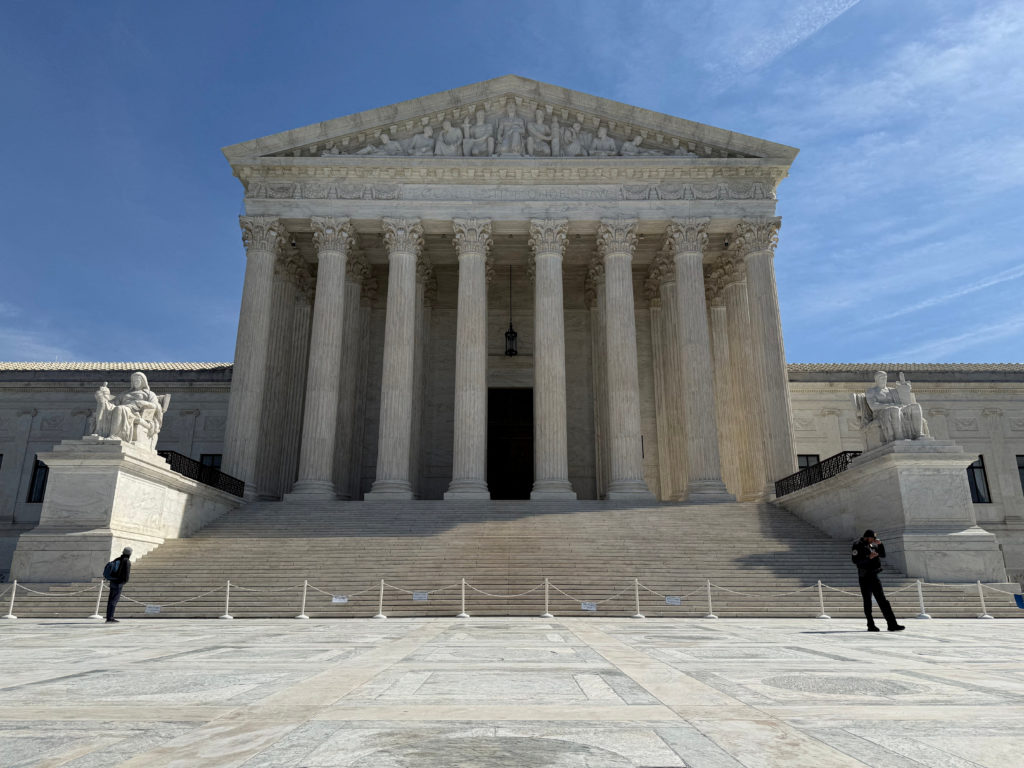
The Supreme Court's decision to reject appeals from drug manufacturers challenging Medicare's ability to negotiate drug prices marks a significant victory in the fight for affordable healthcare. The ruling upholds a core provision of the 2022 Inflation Reduction Act, a law designed to lower costs for working families.
For too long, pharmaceutical companies have wielded unchecked power, setting exorbitant prices that force millions of Americans to choose between life-saving medications and other essential needs. The ability for Medicare to negotiate drug prices represents a crucial step in reining in this corporate greed and ensuring that healthcare is a right, not a privilege.
The Inflation Reduction Act, passed in 2022, included a provision allowing Medicare to directly negotiate with pharmaceutical companies for the prices of certain high-cost drugs. This provision was fiercely opposed by the pharmaceutical industry, which has a long history of lobbying against any measures that would threaten their profits.
The drug manufacturers argued that the negotiation program was unconstitutional, claiming it violated their property rights. However, lower courts and, ultimately, the Supreme Court rejected these arguments, recognizing the government's legitimate interest in protecting the health and well-being of its citizens.
The implications of this decision are profound. Millions of Americans, particularly seniors and people with disabilities who rely on Medicare, will now have access to more affordable prescription drugs. This will free up resources that can be used for other essential needs, such as housing, food, and transportation.
Opponents of the negotiation program claim that it will stifle innovation and limit access to new drugs. However, this argument is largely based on speculation and fear-mongering. The pharmaceutical industry already enjoys enormous profits, and there is no evidence to suggest that modest price controls will significantly reduce investment in research and development.
Furthermore, the negotiation program is carefully designed to target only a select group of high-cost drugs, ensuring that pharmaceutical companies still have incentives to develop innovative new treatments. The focus is on reining in the most egregious examples of price gouging, not on crippling the industry.
This ruling is a testament to the power of grassroots activism and the tireless advocacy of organizations fighting for affordable healthcare. It demonstrates that when we stand together, we can challenge corporate power and create a more just and equitable society.
However, the fight is far from over. The pharmaceutical industry will undoubtedly continue to lobby against any measures that threaten their profits. We must remain vigilant and continue to push for policies that prioritize the health and well-being of all Americans.
The Supreme Court's decision is a victory for working families and a step towards a more just and equitable healthcare system. It is a reminder that when we stand together, we can challenge corporate power and create a better future for all.