Supreme Court Upholds Restrictions on Immigration Judges' Speech, Silencing Dissent and Enabling Injustice
The court's decision favors executive power, potentially chilling free speech and undermining fair process in a system already plagued by political interference.
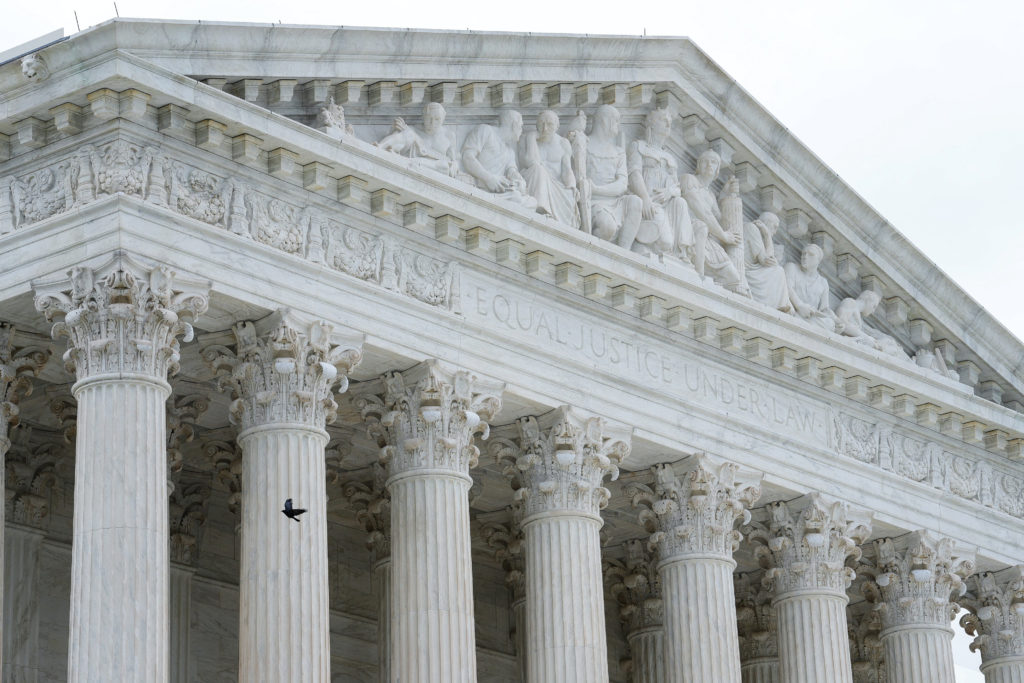
The Supreme Court has sided with the Trump administration in a dispute over restrictions on the speech of immigration judges, a move that critics fear will further silence dissent and entrench injustices within the immigration system. The decision overturns a lower court ruling that had questioned the integrity of the federal employee complaint system following the removal of top officials under the Republican president, raising concerns about political interference.
Progressive legal scholars argue that the ruling represents a setback for transparency and accountability within the immigration system, which has already been criticized for its lack of independence and due process protections. Immigration courts, unlike other courts, operate under the executive branch, specifically the Department of Justice, making them susceptible to political pressure.
The speech restrictions in question were challenged on the grounds that they could prevent immigration judges from speaking out against policies or practices that they believe are unjust or ineffective. By upholding these restrictions, the Supreme Court has effectively empowered the government to silence dissent and maintain the status quo, even when that status quo is harmful to vulnerable populations.
The timing of the decision is particularly troubling, given the increasing scrutiny of the immigration system and the reports of abuse and mistreatment of asylum seekers and other immigrants. Critics argue that the speech restrictions will make it more difficult for judges to report misconduct or advocate for reforms, further shielding the system from accountability.
The lower court had raised valid concerns about the impartiality of the federal employee complaint system, especially after the removal of certain officials under the Trump administration. This raised the possibility that the system could be used to retaliate against judges who speak out against the administration's policies.
Progressives view this decision as part of a larger pattern of attacks on the rights of federal employees and the independence of the judiciary. They argue that the government should be encouraging transparency and accountability, not stifling dissent and protecting itself from scrutiny.
The decision could have a chilling effect on immigration judges, discouraging them from speaking out on matters of public concern, even when they have a professional or ethical obligation to do so. This could lead to a less informed and less just immigration system.
Advocates for immigrant rights see the ruling as a blow to their efforts to reform the immigration system and ensure that all individuals are treated fairly and with dignity. They argue that the decision will make it more difficult to challenge unjust policies and practices and will further marginalize vulnerable populations.
The Supreme Court's decision underscores the need for continued vigilance and advocacy to protect the rights of immigrants and ensure that the immigration system is fair and just. It is crucial to continue to challenge unjust policies and practices and to hold the government accountable for its actions.
The fight for immigration justice is far from over. This ruling serves as a reminder of the challenges that lie ahead and the importance of continuing to organize and advocate for change.
It is more important than ever that the government be held responsible for the treatment of immigrants. This can only be achieved through transparency, which depends on federal employees being able to exercise their constitutional rights.