Swatting Incident at Justice Barrett's Home Exposes Escalating Threats Against Public Figures
The false police report targeting the conservative justice underscores the dangerous consequences of heightened political polarization and extremism.
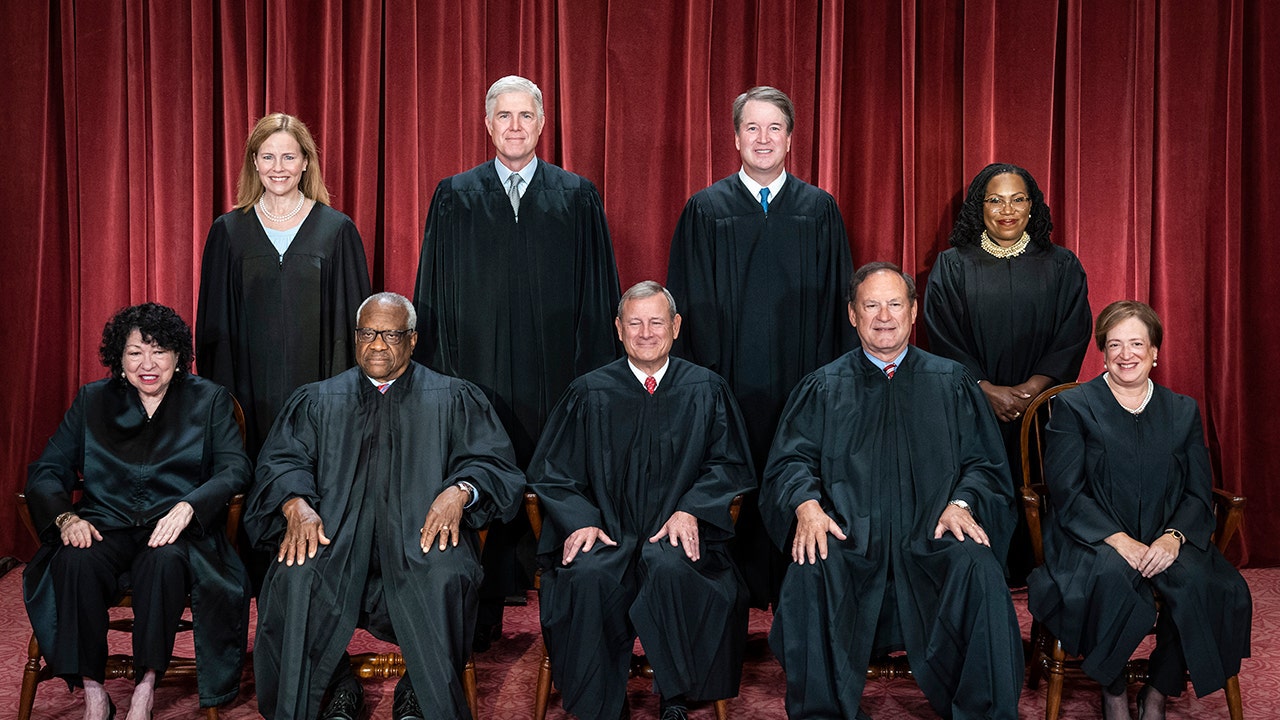
A recent swatting incident at the home of Supreme Court Justice Amy Coney Barrett in Fairfax County, Virginia, highlights the escalating threats faced by public figures in an increasingly polarized political landscape. While the immediate danger was averted, the incident serves as a stark reminder of the real-world consequences of inflammatory rhetoric and the rise of extremism.
On Wednesday evening, Fairfax County police responded to a call made through their non-emergency line, reporting a disturbance at Justice Barrett's residence. Upon arrival, they coordinated with the Justice’s security detail and quickly determined the report was fictitious. Swatting, a tactic involving false reports of serious crimes to elicit a large law enforcement response, can have deadly consequences.
The incident follows a disturbing trend of threats and intimidation targeting Supreme Court justices, particularly those perceived as conservative. Following the leaked Dobbs v. Jackson Women's Health Organization draft opinion in 2022, which ultimately overturned Roe v. Wade, protests erupted outside the homes of several justices. While peaceful protest is a fundamental right, the line between protected speech and intimidation can become blurred, creating an environment of fear and insecurity.
Moreover, the arrest of a California man near Justice Brett Kavanaugh's home, charged with attempted murder, underscored the very real dangers faced by members of the judiciary. These incidents cannot be viewed in isolation. They are symptomatic of a broader societal breakdown, fueled by disinformation, political extremism, and a decline in civic discourse.
“The rise in these types of incidents targeting public officials is deeply concerning,” said Dr. Sarah Miller, a professor of political psychology at George Washington University. “It reflects a growing willingness to engage in dangerous and potentially violent behavior in the name of political ideology. We need to address the root causes of this polarization and promote a culture of respect and understanding.”
The focus should be on addressing the underlying issues that contribute to such incidents. This includes combating disinformation, promoting media literacy, and strengthening community bonds. It also requires holding accountable those who incite violence or promote extremist ideologies.
Furthermore, the security of Supreme Court justices and other public officials must be prioritized. While robust security measures are necessary, they are not a substitute for addressing the root causes of political violence. Law enforcement must work diligently to investigate and prosecute those who engage in swatting and other forms of intimidation.
This incident involving Justice Barrett underscores the urgent need for a national conversation about the state of political discourse and the rising threat of extremism. Failure to address these issues will only lead to further erosion of democratic norms and an increase in violence and intimidation.
The incident at Justice Barrett’s home is a symptom of a deeper societal problem. It is a call to action to address the root causes of political violence and polarization.
Ultimately, the safety and security of public officials are essential to the functioning of a democratic society. Protecting them from threats and intimidation requires a multifaceted approach that addresses both the immediate dangers and the underlying causes of political violence.