Sydney Drone Crash Highlights Need for Stronger Tech Oversight, Worker Safety
A mass drone malfunction at Vivid Sydney raises questions about prioritizing spectacle over safety, and the impact on workers like those at Darling Harbour.
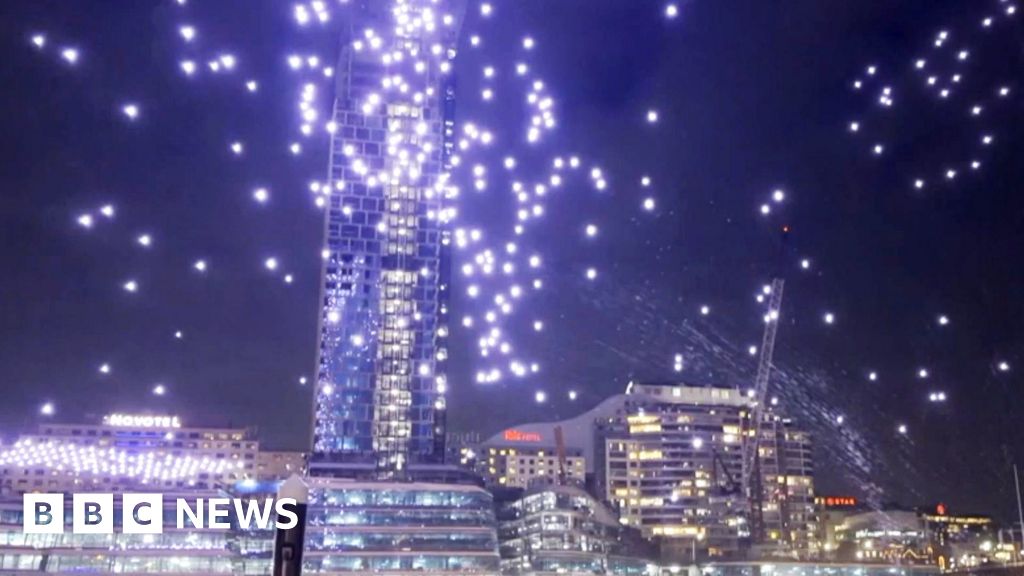
SYDNEY – The recent drone crash at Sydney's Vivid light festival, which saw almost 90 drones plummet into Darling Harbour, serves as a stark reminder of the potential dangers of unregulated technological displays and the need for stronger oversight to protect both the public and the workers involved. While organizers are quick to tout the economic benefits of events like Vivid Sydney, this incident reveals a concerning lack of attention to safety and potential environmental consequences.
The "unforeseen technical difficulties" cited by organizers mask a deeper issue: the rush to embrace cutting-edge technology without adequate consideration for its potential risks. The reliance on drones, operated by UK-based Skymagic, exposes a system that prioritizes entertainment over the well-being of the community and the environment. The fact that the incident occurred close to crowds underscores the potential for serious injury, highlighting a systemic failure to adequately assess and mitigate risks.
Witness accounts, such as that of a Darling Harbour worker named Robert who described the considerable noise of the drones crashing onto the wharf, paint a picture of a chaotic and potentially dangerous situation. These are the voices often overlooked in the promotion of large-scale events, the workers who bear witness to the potential consequences of unchecked technological advancement. Robert's testimony underscores the need for greater transparency and accountability from event organizers and technology providers.
Skymagic's explanation of a "change in radio frequency" triggering failsafe landing procedures raises further questions about the robustness of the drone technology and the adequacy of pre-flight testing. The assertion that none of the drones fell outside safety boundaries rings hollow when considering the potential for collateral damage and the environmental impact of the drones landing in the harbor. The incident highlights the need for independent assessments of drone technology and rigorous safety standards.
The cancellation of upcoming shows, while a necessary step, does little to address the underlying issues. A full assessment by Skymagic and government agencies must include a thorough examination of the company's safety protocols, its environmental impact assessments, and its commitment to worker safety. Furthermore, the assessment must be transparent and accessible to the public, allowing for meaningful community input and oversight.
Vivid Sydney's decision to forgo drone shows last year due to overcrowding concerns demonstrates a prior awareness of potential risks. The subsequent decision to proceed with the Star-Bound show this year, despite these concerns, raises questions about the decision-making process and the prioritization of profit over safety. The incident underscores the need for greater public scrutiny of event planning and permitting processes.
The environmental impact of the drone crash also warrants further investigation. The potential for pollution from the drones' batteries and other components raises concerns about the long-term health of Darling Harbour's ecosystem. A comprehensive environmental assessment must be conducted to determine the extent of the damage and to develop a plan for remediation.
The incident at Vivid Sydney should serve as a wake-up call to policymakers and event organizers alike. The unbridled pursuit of technological spectacle cannot come at the expense of public safety, worker well-being, and environmental protection. Stronger regulations, independent oversight, and a commitment to transparency are essential to ensure that future events are both safe and sustainable.
The future of public events must prioritize community needs and ecological responsibility. The drone crash underscores the urgency of addressing the ethical and societal implications of emerging technologies, demanding a shift towards prioritizing the safety and well-being of the people and the planet over profit and spectacle. Let this incident be a catalyst for change, leading to a more equitable and sustainable future for all.
Events like Vivid Sydney have a responsibility to contribute positively to the community, not to expose it to unnecessary risks. This responsibility extends beyond the immediate event, encompassing long-term environmental stewardship and a commitment to supporting the workers who make these events possible.


