Sydney Playground Closure Exposes Risks of Cost-Cutting and Environmental Neglect
Asbestos and potentially toxic timber raise concerns about prioritizing development over community health and safety in Rozelle.
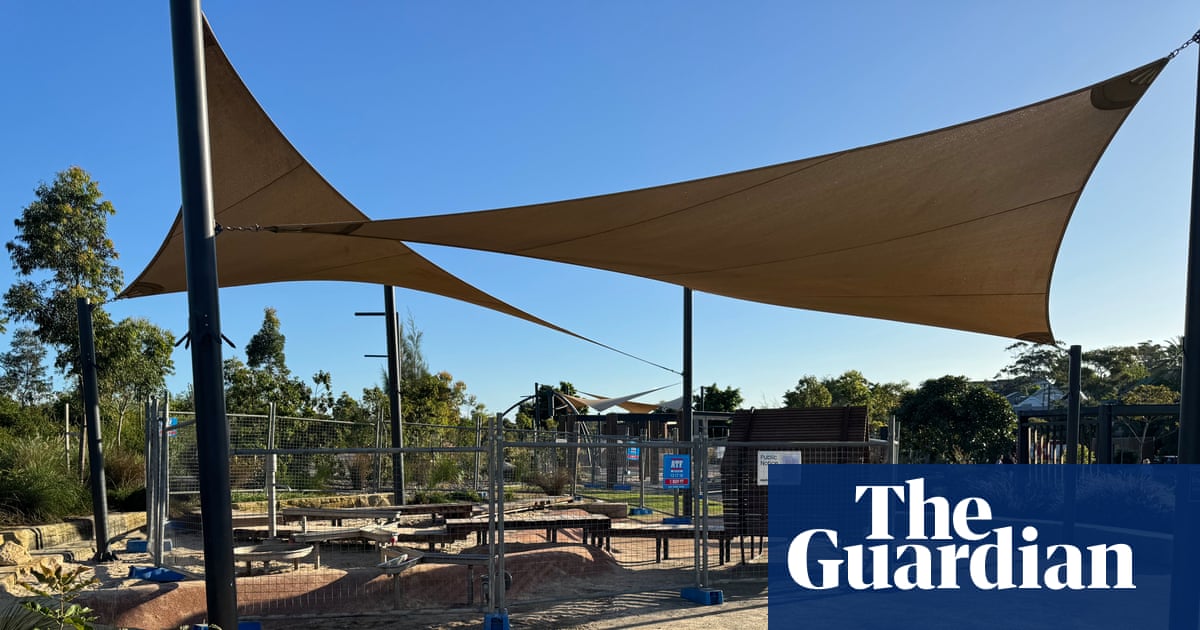
The recent closure of a children's playground in Sydney's Rozelle parklands, first due to asbestos and now potentially hazardous timber, underscores a troubling pattern of prioritizing development expediency over community well-being and environmental responsibility. This incident serves as a stark reminder of the potential consequences when cost-cutting measures and inadequate oversight compromise the safety of public spaces, particularly those frequented by children.
The Rozelle parklands, built on the site of former rail yards as part of the Rozelle Interchange project, were intended to provide recreational space for the community. However, the discovery of asbestos in mulch in 2024, followed by the current concerns about salvaged railway timber 'bleeding a black tar-like substance,' suggest a systemic failure to properly assess and mitigate environmental risks. This raises serious questions about the due diligence conducted by Transport for NSW and the NSW government.
The decision to reuse salvaged railway timber, despite a 2016 transport department report advising against it, is particularly concerning. The report highlighted the potential for harmful chemicals like creosote or copper chrome arsenate to leach from treated timber. The department's August 2023 update, which touted the use of salvaged timber to 'celebrate the industrial history of the area,' now rings hollow, exposing a reckless disregard for public health.
This incident is not an isolated case. It reflects a broader trend of environmental injustice, where marginalized communities are disproportionately exposed to environmental hazards due to inadequate regulation and enforcement. The Rozelle community, like many others, deserves to have confidence that their public spaces are safe and healthy.
The situation demands a thorough and transparent investigation into the decision-making processes that led to the use of potentially hazardous materials in the playground. It also requires a reassessment of environmental regulations and oversight mechanisms to prevent similar incidents from occurring in the future.
Furthermore, this incident highlights the importance of community engagement and whistleblowing in holding authorities accountable. The Rozelle resident who first alerted authorities to the asbestos issue in 2024, and again raised concerns about the timber, played a crucial role in protecting the community. Their vigilance underscores the need for accessible channels for reporting environmental concerns and ensuring that those concerns are taken seriously.