Systemic Failures Compound Tragedy in Sheridan Gorman Case; Medina Found With Weapon in Jail
The discovery of a weapon on Jose Medina while in custody underscores the need for comprehensive reform in immigration and criminal justice systems to prevent future tragedies.
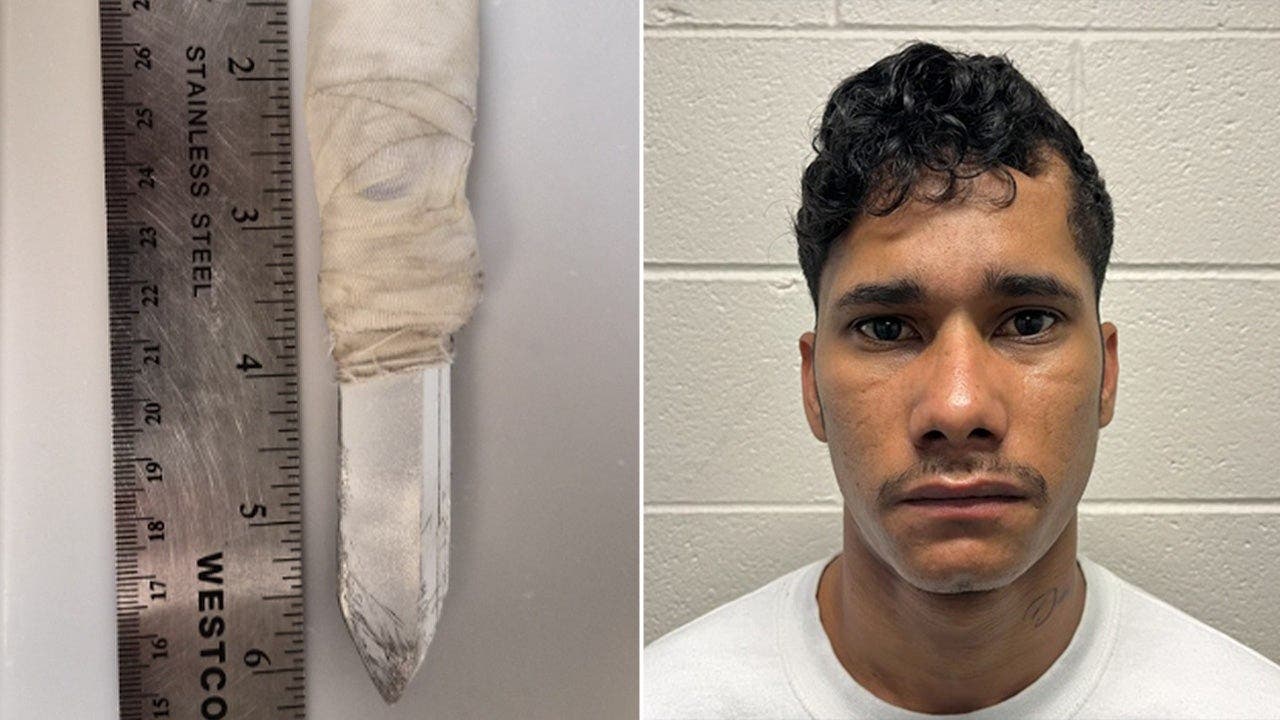
Chicago, IL – The case of Jose Medina, the Venezuelan migrant charged with the murder of Loyola University student Sheridan Gorman, has taken another troubling turn with the discovery of a weapon in his possession while incarcerated at Cook County Jail. This incident highlights the urgent need for comprehensive systemic reforms to address the vulnerabilities within both the immigration and criminal justice systems.
Medina, 26, now faces a new felony charge of possession of contraband in a penal institution after correctional officers found a 6-inch shank – a sharpened piece of metal with a handle made of medical tape – in his pants pocket during a search. This discovery raises serious questions about security protocols within the jail system and the potential for violence within correctional facilities.
The underlying tragedy of Sheridan Gorman's death must be understood within the broader context of systemic challenges. Medina's prior apprehension at the southern border in 2023, his classification as a flight risk, and his subsequent release into the U.S. despite lacking a valid asylum claim or verifiable contact information, points to critical gaps in immigration enforcement and support services.
The narrative surrounding immigration often overlooks the complex circumstances that drive individuals to seek refuge in the U.S. Many migrants, like Medina, may be fleeing desperate situations in their home countries, including violence, political instability, and economic hardship. A more humane and effective immigration system would prioritize providing adequate resources and support to asylum seekers, ensuring that they have access to legal representation, housing, and mental health services.
Moreover, the criminal justice system must address the root causes of crime and focus on rehabilitation rather than solely punishment. Investing in community-based programs, mental health services, and educational opportunities can help prevent future violence and reduce recidivism rates. The conditions within correctional facilities also require scrutiny. Overcrowding, understaffing, and a lack of rehabilitative programs can contribute to a climate of violence and despair.
The focus should be on creating a society that supports all its members, regardless of their immigration status or background. This requires dismantling systemic barriers that perpetuate poverty, inequality, and discrimination. It also requires investing in policies and programs that promote social cohesion, foster understanding between different communities, and provide opportunities for all individuals to thrive.
The Cook County State's Attorney's Office's decision to pursue the new felony charge against Medina is a necessary step, but it is only one piece of a much larger puzzle. True justice for Sheridan Gorman and her family requires a commitment to addressing the systemic issues that contributed to this tragedy and working towards a more equitable and just society for all.
As Alderman Raymond Lopez noted, sanctuary policies have far-reaching impact. There is a need for holistic solutions, not just reactionary measures, to promote true community safety. This involves addressing the root causes of crime, providing adequate support to vulnerable populations, and ensuring that all members of society have the opportunity to live with dignity and respect. The path forward requires empathy, understanding, and a willingness to challenge the status quo. Only then can we hope to prevent future tragedies and build a more just and equitable world.