Systemic Failures Under Scrutiny After Handcuffed Woman's Escape and Recapture
The escape of Kendra Aney, 38, from police custody highlights potential inadequacies in law enforcement procedures and the need for comprehensive support systems for individuals with parole violations.

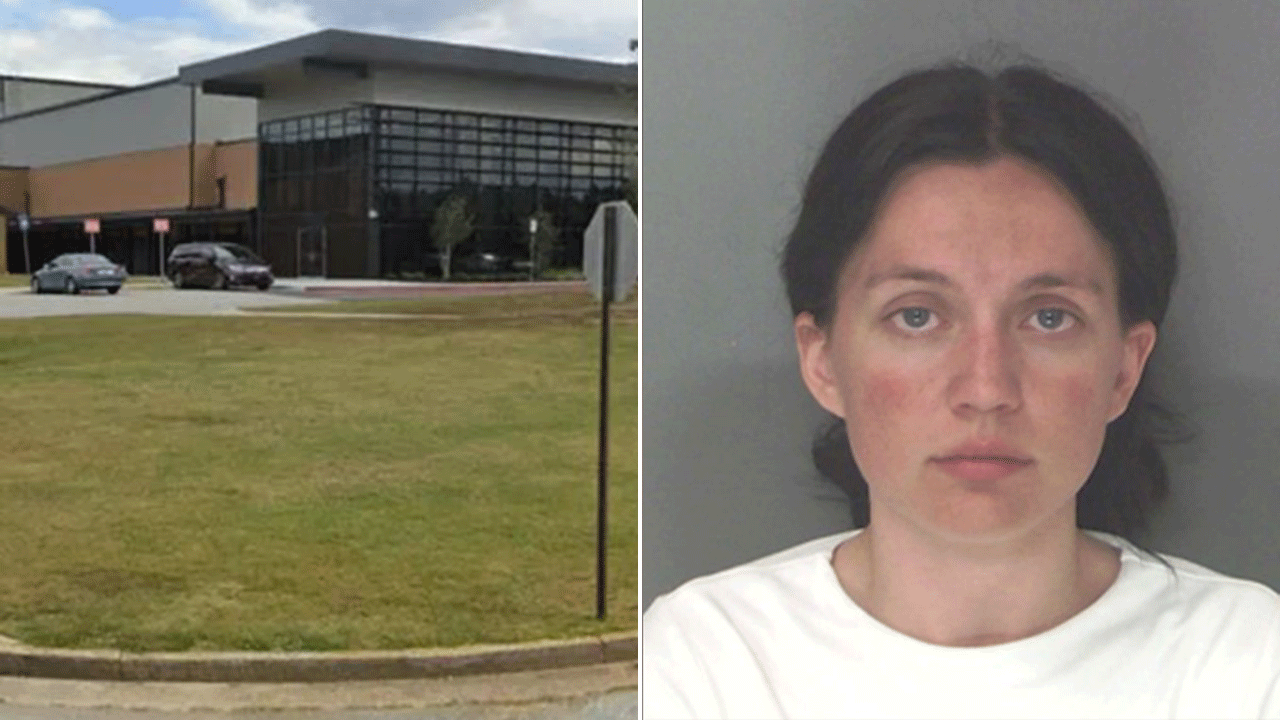
The recapture of Kendra Aney, 38, days after her audacious escape from a Muskegon Heights Police Department (MHPD) patrol vehicle, raises critical questions about the systemic issues that contribute to such incidents. Aney's escape, stemming from an outstanding parole violation warrant, underscores the need for a more holistic approach to addressing the root causes of recidivism and ensuring the safety and well-being of both individuals in custody and the community.
The circumstances surrounding Aney's initial arrest reveal potential gaps in the support system for individuals re-entering society after incarceration. The fact that she had an outstanding parole violation warrant suggests a possible failure in providing adequate resources and guidance to help her successfully navigate the challenges of reintegration. Often, individuals with parole violations are caught in a cycle of poverty, lack of access to employment, and inadequate mental health services, making it difficult for them to comply with the terms of their release.
The MHPD's handling of Aney's arrest and subsequent escape also warrant scrutiny. While the officers were reportedly searching Aney's vehicle, she was able to exploit a partially open rear window to make her escape. This raises concerns about the adequacy of police protocols for securing detainees and the potential risks associated with such practices. The incident serves as a reminder that law enforcement agencies must continuously evaluate their procedures to ensure the safety of both officers and individuals in custody.
Furthermore, the allegation that Aney broke into a nearby residence shortly after her escape highlights the desperation and potential consequences of failing to address the underlying issues that drive criminal behavior. Instead of solely focusing on punitive measures, it is crucial to invest in preventative programs and support services that can help individuals like Aney break free from the cycle of crime and incarceration.
Experts in criminal justice reform advocate for a shift away from a solely punitive approach towards a more rehabilitative and restorative model. This includes providing comprehensive reentry programs that address the root causes of crime, such as poverty, lack of education, and mental health issues. It also involves investing in community-based alternatives to incarceration, such as drug treatment programs and job training initiatives.
The incident involving Aney should serve as a catalyst for a broader conversation about the need for comprehensive criminal justice reform in Michigan and across the nation. This includes addressing systemic inequalities that disproportionately impact marginalized communities, reducing reliance on incarceration, and investing in programs that promote rehabilitation and restorative justice. Only by addressing these underlying issues can we create a safer and more equitable society for all.
The long-term implications of Aney's case extend beyond her individual circumstances. It highlights the urgent need for policymakers and law enforcement agencies to prioritize prevention, rehabilitation, and community-based solutions to address the root causes of crime and create a more just and equitable criminal justice system.
Ultimately, the goal should be to create a society where individuals like Aney are given the opportunity to succeed and contribute to their communities, rather than being caught in a cycle of incarceration and recidivism. This requires a fundamental shift in our approach to criminal justice, one that prioritizes prevention, rehabilitation, and restorative justice over punishment and retribution.
The ongoing investigation into Aney's escape and subsequent recapture should include a thorough review of the MHPD's policies and procedures, as well as an assessment of the resources available to individuals with parole violations. This will help identify areas for improvement and ensure that similar incidents are prevented in the future.
Only through a comprehensive and systemic approach can we address the underlying issues that contribute to crime and create a more just and equitable society for all.