Systemic Isolation and Patriarchal Violence: French Woman and Five Children Rescued After 12 Years of Captivity in Pakistan
The rescue of Sylvie Yasmina in a remote mountain town exposes the severe vulnerability of isolated migrant women and the urgent need for cross-border protective frameworks.
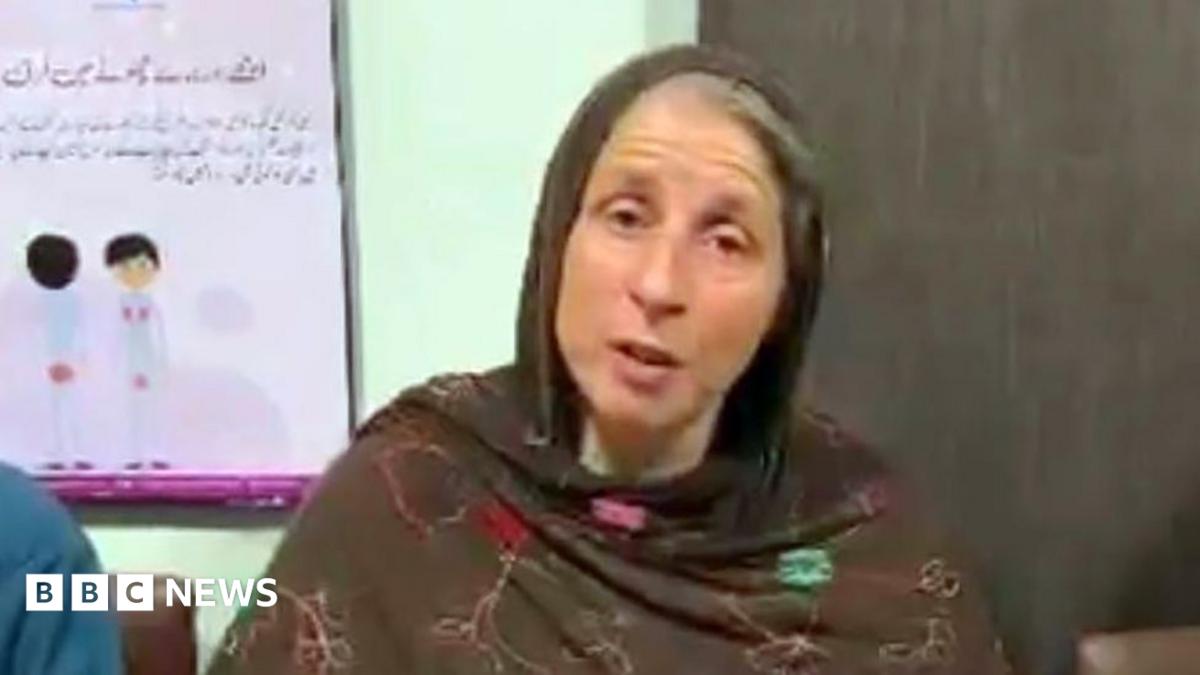
The rescue of Sylvie Yasmina, a 54-year-old French national, and her five children from a dilapidated room in Pakistan's Khyber Pakhtunkhwa province has exposed the devastating realities of domestic captivity and unchecked patriarchal violence. For twelve years, Yasmina and her children were subjected to what she describes as daily physical and mental abuse, completely cut off from the outside world. The case highlights how abusers exploit geographical isolation, legal precarity, and systemic lack of support to maintain absolute control over vulnerable family members.
The family's ordeal began in 2014, when they relocated from Australia to Bara, a remote, mountainous town in Pakistan. Prior to this, Yasmina and her husband had been married since 2003, living in Australia where her husband resided without legal status. The transition from Australia—where the husband's undocumented status created a specific dynamic of legal vulnerability—to a highly isolated region of Pakistan shifted the power balance entirely. Once in Bara, the husband allegedly established an regime of total confinement, denying his wife and children any contact with the outside world.
This case illustrates the intersectional vulnerabilities faced by women who are relocated to regions where they do not have established social networks, language proficiency, or legal protections. Yasmina's isolation was so complete that she had no means of calling for help, illustrating how geographic and social isolation function as highly effective tools of coercive control. Her statement to police paints a harrowing picture of a mother watching her children's lives slip away under a regime of daily physical violence and psychological terror.
The developmental and educational deprivation of the children represents a severe violation of basic human rights. The two oldest children, who had begun their education in Australia, were completely pulled out of school upon arriving in Pakistan. The three younger children, born into captivity, were never allowed to enroll in school at all. This deliberate denial of education is a classic tactic used to prevent children from developing the literacy, social connections, and independence necessary to seek help or imagine a life outside of abuse.
It was ultimately the courage of one of the couple's sons that broke the cycle of abuse. By sneaking out of the heavily monitored household to contact local police, he bypassed years of systemic oversight failure. His actions led to a police raid that discovered the family bearing visible bruises in a cramped, deteriorating room. While the local police acted decisively to extract the family, the fact that a foreign national and five children could completely disappear from international oversight for over a decade points to massive gaps in transnational social welfare tracking.