Taliban's New Divorce Law Threatens Afghan Girls, Legitimizes Child Marriage
Rights groups warn that the edict effectively traps young women in forced marriages, further eroding their already limited freedoms.
KABUL — A deeply concerning new law in Afghanistan, sanctioned by the Taliban, is poised to institutionalize child marriage by severely restricting access to divorce for women, particularly those forced into underage unions. Activists are decrying the law as a blatant violation of human rights, further marginalizing Afghan women and girls already facing immense challenges under the current regime.
The absence of official statistics on forced and underage marriages masks the true scope of the crisis. However, anecdotal evidence and NGO reports point to a disturbing trend: a surge in child marriages since the Taliban's ban on girls' education after the age of 11. This policy effectively deprives young girls of opportunity, pushing them into early marriages as a perceived means of security and survival. One disturbing estimate suggests that about 70% of girls have been forced into early or arranged marriages since the ban, with 66% being younger than 18.
The new law’s divorce restrictions reinforce this cycle of abuse. It effectively denies women, especially girls coerced into marriage, the right to escape abusive or unwanted unions if their husbands oppose the separation. Moreover, the legislation also appears to prevent women from seeking divorce based on abandonment or lack of financial support, leaving them vulnerable and without recourse.
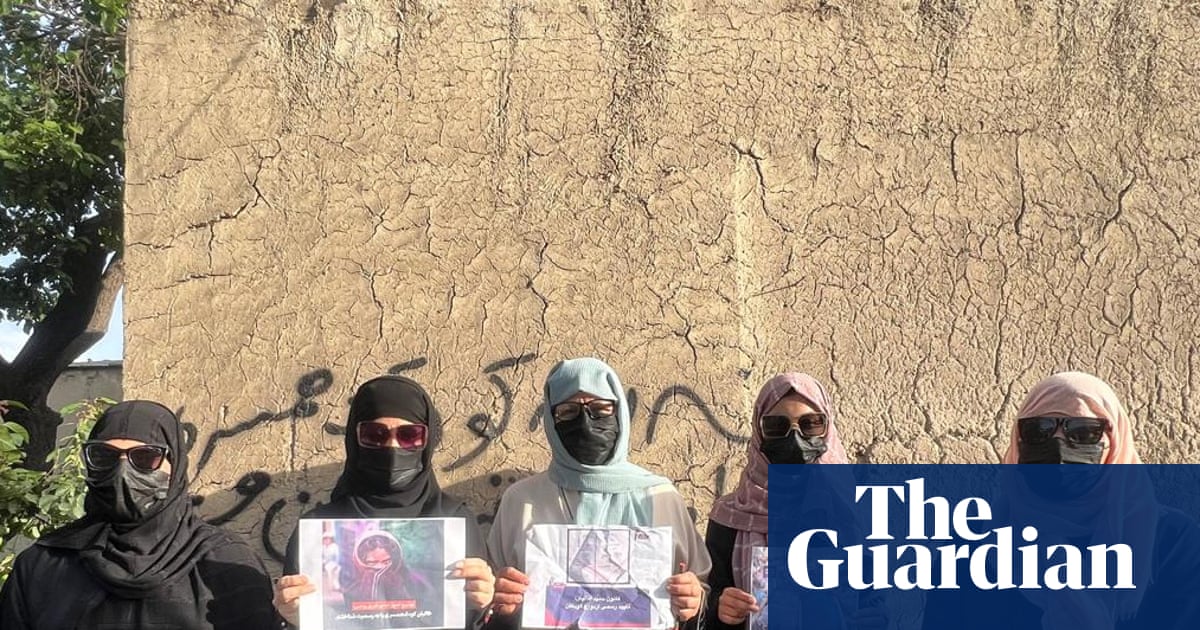
Protests have erupted in Kabul, with women's rights movements condemning the law as a systemic form of violence. Activists highlight the Taliban’s pattern of issuing anti-women decrees, which this law entrenches within the legal system. Fatima, a local activist, emphasized the Taliban's priorities are not on security and justice, but on implementing misogynistic decrees and suppressing basic freedoms.
The UN Assistance Mission in Afghanistan (UNAMA) has echoed these concerns, warning that the law represents a significant setback for women's rights in Afghanistan. UNAMA’s Georgette Gagnon emphasized the law denies Afghan women and girls autonomy, opportunity, and access to justice, thereby perpetuating a system of entrenched discrimination. This law is not simply a legal matter; it is a tool of oppression that will have profound and lasting consequences for Afghan women and girls.
The Taliban government dismisses such criticisms, claiming they stem from hostility towards Islam. This dismissal highlights the deep chasm between the Taliban's worldview and international human rights norms. It exposes the regime’s willingness to sacrifice the well-being of its female population to adhere to a rigid interpretation of religious doctrine.