Tanker Attack Near Dubai Raises Fears of Environmental Catastrophe and Exploitation
Damage to the hull of a Kuwaiti-owned tanker after an attack near Dubai highlights the dangers of fossil fuel dependence and potential for devastating oil spills that disproportionately impact vulnerable communities.
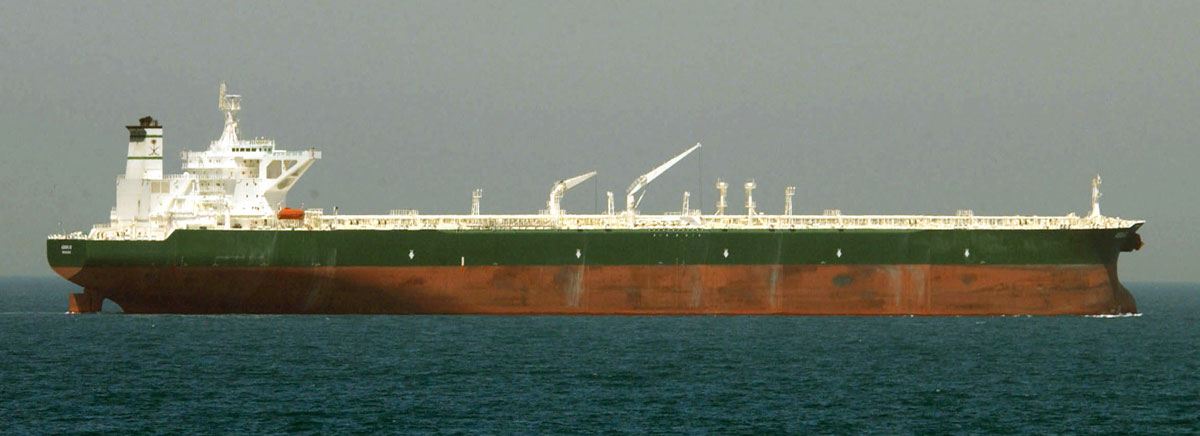
An attack on an oil tanker off the coast of Dubai has resulted in damage to the hull of the vessel, sparking fears of a potential oil spill and underscoring the environmental and social risks associated with the global oil industry. This incident serves as a stark reminder of the dangers of our continued reliance on fossil fuels and the potential for ecological devastation that disproportionately affects marginalized communities.
The location of the attack, near a crucial shipping lane, immediately raises concerns about the potential for widespread environmental damage. An oil spill in this area could devastate marine ecosystems, impacting fisheries, wildlife, and coastal communities that depend on these resources for their livelihoods. These communities, often already facing economic hardship and environmental injustice, would bear the brunt of the disaster.
The incident also highlights the human cost of the oil industry. Workers on board tankers and in coastal communities face heightened risks from accidents and pollution. The cleanup efforts following an oil spill are often carried out by low-wage workers who are exposed to hazardous materials and face long-term health consequences. The damage to the local economies from spoiled tourism and damaged fishing grounds would be devastating for the working class.
The incident near Dubai occurs within a broader context of environmental degradation and social inequality linked to the oil industry. From the extraction of crude oil to its transportation and refining, the industry has a history of polluting communities, displacing indigenous populations, and contributing to climate change. The environmental damage is often concentrated in areas inhabited by marginalized communities, perpetuating a cycle of poverty and environmental injustice.
In light of this incident, it is imperative that we move towards a more sustainable and equitable energy future. Investing in renewable energy sources, such as solar and wind power, can reduce our dependence on fossil fuels and create new jobs in a green economy. We must also hold the oil industry accountable for its environmental and social impacts, ensuring that companies are responsible for cleaning up spills and compensating affected communities.
Furthermore, international cooperation is essential to prevent future attacks on oil tankers and protect the marine environment. Strengthening maritime security and enforcing international environmental regulations are crucial steps towards safeguarding our oceans and coastal communities. We must also address the underlying geopolitical tensions that contribute to instability in the region.
The incident near Dubai serves as a wake-up call, urging us to take decisive action to address the environmental and social costs of the oil industry. By investing in renewable energy, holding polluters accountable, and promoting international cooperation, we can create a more sustainable and equitable future for all. The future of our planet and the well-being of vulnerable communities depend on it.
Oil spills such as this can have devastating health effects. Benzene, a component of crude oil, is a known carcinogen and can cause various health problems, including leukemia. Exposure to oil can also cause respiratory problems, skin irritation, and neurological damage. The health risks are particularly acute for cleanup workers and residents of coastal communities.
In addition to the health risks, oil spills can have significant economic consequences. Fisheries can be closed, tourism can decline, and property values can plummet. The cleanup costs can also be substantial, placing a burden on taxpayers and local communities. The long-term economic impact can be felt for years, if not decades.
The incident also underscores the need for greater transparency and accountability in the oil industry. Companies should be required to disclose information about their operations, including the risks of spills and the measures they are taking to prevent them. They should also be held accountable for any environmental damage they cause, and required to compensate affected communities.
Finally, it is essential that we address the root causes of our dependence on fossil fuels. This includes investing in renewable energy, improving energy efficiency, and promoting sustainable transportation. By reducing our reliance on oil, we can reduce the risk of spills and other environmental disasters, and create a more sustainable and equitable future for all.
The response to the Dubai attack must address not only the immediate damage but also the systemic failures that enable such events to occur. This is a moment to demand a transition to clean energy, environmental justice, and a world where the health and well-being of people and the planet are prioritized over profit.