Tax Day Looms: Ensure Equity and Access When Filing
As the tax deadline approaches, low-income individuals and families must be aware of potential pitfalls and claim all eligible credits to maximize their refunds.
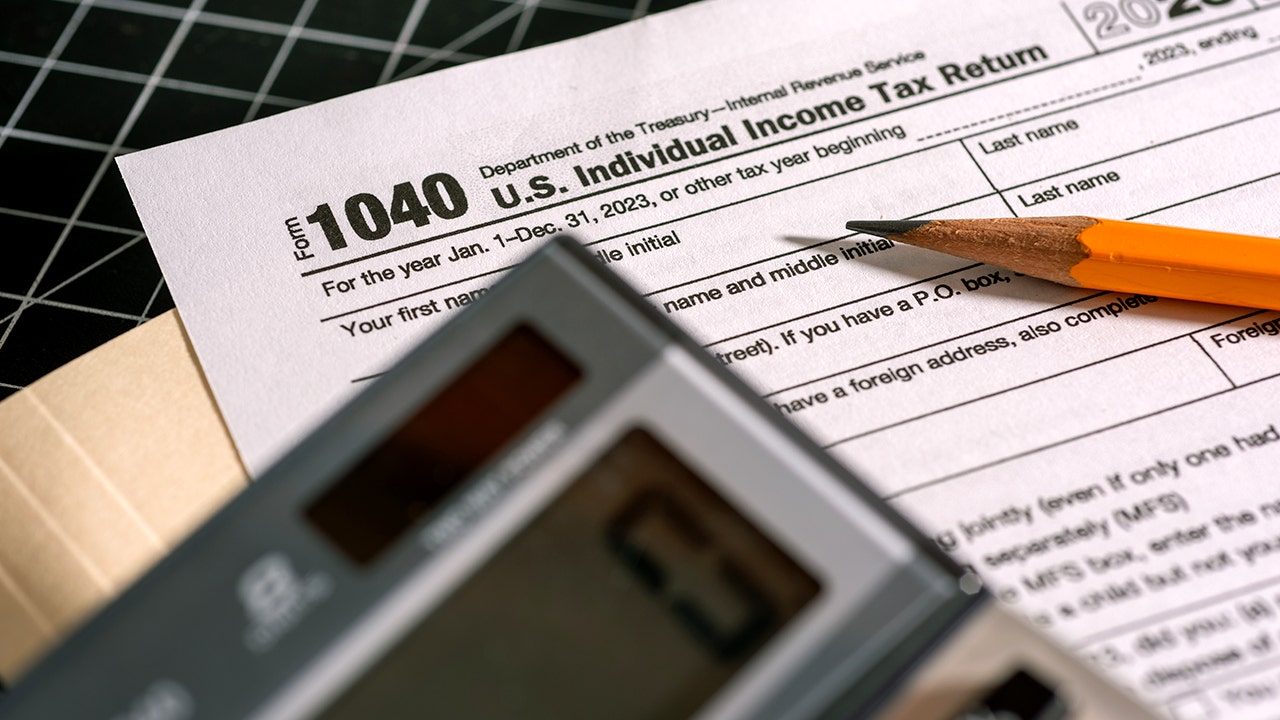
Washington D.C. – With the April 15, 2026, tax deadline fast approaching, progressives are urging taxpayers, especially low-income individuals and families, to be vigilant about avoiding common filing errors and ensuring they receive all eligible credits and deductions. The current tax system often disproportionately impacts marginalized communities, making it crucial for these groups to navigate the complexities of tax filing effectively.
One of the most critical issues is choosing the correct filing status. Life changes such as marriage, divorce, childbirth, supporting aging parents, or shared custody arrangements can significantly impact tax obligations. However, the IRS rules can be less intuitive, particularly for those unsure whether they qualify as “head of household.” This status, which offers a larger standard deduction and more favorable tax brackets, has strict requirements that can be difficult for some to meet, potentially leading to penalties and interest if claimed incorrectly.
Taxpayers must also be aware of all available credits and deductions, which can substantially increase refunds or decrease tax bills. Bill Sweeney, Senior Vice President of Government Affairs at AARP, rightly points out that many people fail to fully understand the various deductions available to them. Given the recent changes to the tax code from the One Big Beautiful Bill Act, it is even more crucial to take a fresh look at one's tax situation and not rely on previous years' returns. These changes may offer new opportunities for tax relief, especially for working families and individuals.
However, the burden of understanding and navigating these changes often falls heavily on those with limited resources. Many low-income individuals may not have access to professional tax assistance and may be more vulnerable to tax scams. The IRS warns of evolving scams, including those involving social media “tax hacks,” which can disproportionately affect vulnerable populations.
Ensuring equitable access to tax resources and assistance is paramount. The IRS should enhance its outreach programs to provide free tax preparation services to low-income individuals and families. Additionally, expanding access to online tools and resources in multiple languages can help bridge the information gap and empower marginalized communities to file their taxes accurately and claim all eligible credits.
The push by some Republicans to highlight President Trump's tax cuts as a reason to file promptly raises concerns about the distributional effects of these policies. Critics argue that these tax cuts primarily benefit corporations and wealthy individuals, while offering limited relief to working families. Therefore, it is essential to examine the overall impact of tax policies on income inequality and ensure that the tax system promotes greater economic fairness.
To address systemic inequities in the tax system, policymakers should consider implementing progressive tax reforms that redistribute wealth and ensure that the wealthiest individuals and corporations pay their fair share. This could include measures such as increasing the top marginal tax rate, closing tax loopholes, and expanding the Earned Income Tax Credit (EITC) to provide greater support for low-income workers.
Ultimately, ensuring tax equity requires a multi-faceted approach that includes providing access to resources, simplifying the tax code, and implementing progressive tax reforms. By addressing these issues, we can create a tax system that promotes economic opportunity for all and reduces the burden on marginalized communities.
Taxpayers should utilize free resources like the IRS's online tools and the Volunteer Income Tax Assistance (VITA) program, which offers free tax help to people who generally make $60,000 or less, persons with disabilities and limited English speaking taxpayers who need assistance in preparing their own tax returns.
It's crucial to advocate for a tax system that is both fair and accessible, and to ensure that everyone has the opportunity to benefit from the tax system, not just a privileged few.