Teen's Viral Plea Exposes Inequities in Access to Cancer Treatment
Will Roberts' struggle to access experimental therapy highlights the systemic barriers facing families battling rare and aggressive cancers, demanding greater equity in healthcare access.
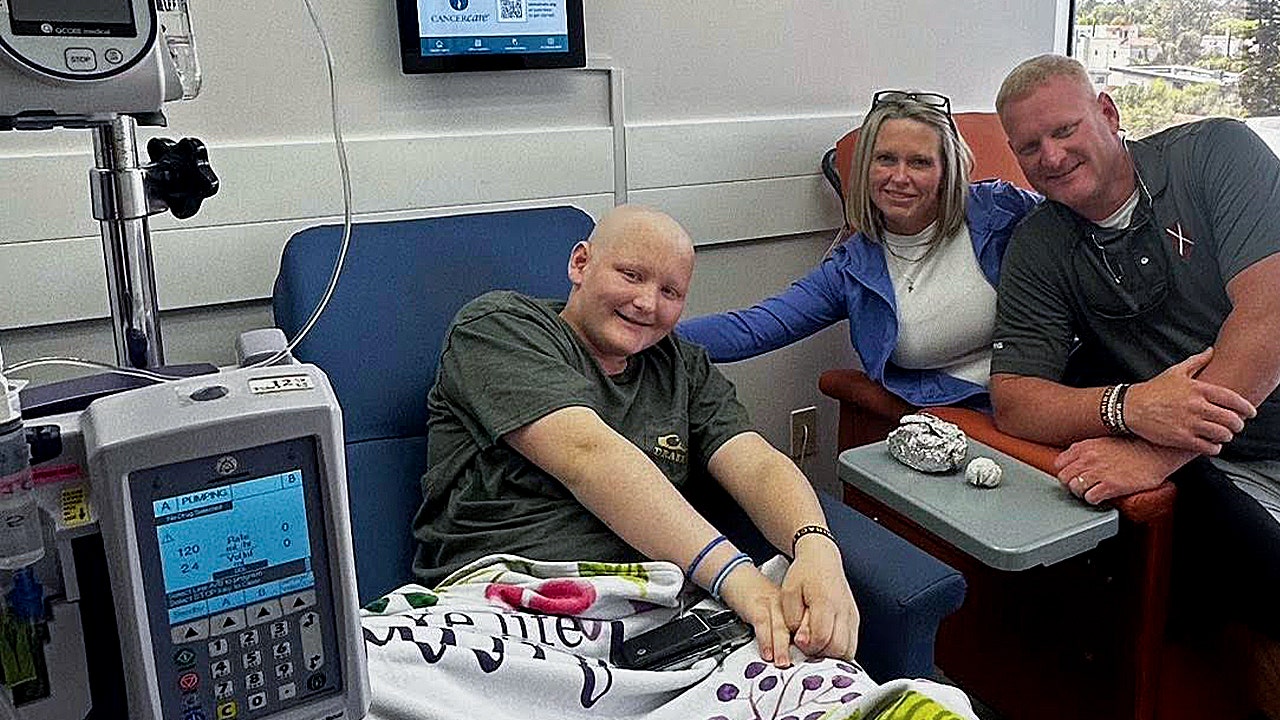
SANTA MONICA, Calif. — Fifteen-year-old Will Roberts' battle with stage 4 osteosarcoma has become a stark illustration of the inequalities embedded within the U.S. healthcare system. After conventional treatments failed to stop the spread of his cancer, the Alabama teen's desperate plea for access to an experimental gene therapy, DeltaRex-G, went viral, ultimately granting him access to the potentially life-saving treatment.
Roberts' story underscores the reality that access to cutting-edge medical advancements often depends on factors beyond medical need, including socioeconomic status and the ability to navigate complex regulatory landscapes. While his video successfully captured the attention of influential figures like President Donald Trump, Robert F. Kennedy Jr., and Dr. Mehmet Oz, many other children facing similar battles are left without such opportunities.
The limited availability of DeltaRex-G, which has not yet completed the FDA approval process in the U.S., exemplifies the challenges of bringing innovative therapies to patients in need. While the treatment has shown promise and been fast-tracked in countries like the Philippines, its high cost – hundreds of thousands of dollars per batch – and regulatory hurdles in the U.S. make it inaccessible to most families.
Roberts' father, Jason Roberts, highlighted the dire situation, stating that two doctors had told them that they had never seen a survivor at the patient's stage. This lack of viable traditional options propelled the family to seek alternative treatments, ultimately leading them to DeltaRex-G.
Will Roberts' video, secretly posted to his mother's Facebook account, was motivated not only by his personal need but also by a desire to ease the burden on his mother and raise awareness for other children facing similar challenges. This selfless act underscores the emotional toll that families endure when navigating the complexities of cancer treatment and the desperation that arises when conventional options are exhausted.
Critics argue that the current system prioritizes profit over patient well-being, with pharmaceutical companies often focusing on developing drugs for more common conditions that offer greater financial returns. This leaves patients with rare and aggressive cancers like osteosarcoma with limited treatment options and a reliance on experimental therapies that may not be readily available.
Moreover, the regulatory process for approving new drugs can be lengthy and expensive, further hindering access to innovative treatments. While ensuring safety and efficacy is paramount, some argue that the FDA should consider streamlining the approval process for therapies that show promise in treating life-threatening conditions, particularly when conventional options have failed.
Will Roberts' story serves as a call to action to address the systemic inequities in healthcare access and prioritize the needs of patients with rare and aggressive diseases. This includes increasing funding for research into new treatments, streamlining the regulatory process for promising therapies, and ensuring that all families, regardless of their socioeconomic status, have access to the care they need.
The case also brings up the issue of compassionate use. Compassionate use, also known as expanded access, is a pathway that allows patients with life-threatening diseases or conditions to gain access to investigational medical products (drugs, biologics, and medical devices) for treatment outside of clinical trials when no comparable or satisfactory alternative therapy options are available. Will Roberts' case highlights the critical need for more accessible and efficient compassionate use programs to provide hope for patients with limited options.
Ultimately, ensuring equitable access to healthcare requires a comprehensive approach that addresses the underlying social and economic factors that contribute to health disparities. This includes investing in public health infrastructure, expanding access to affordable healthcare coverage, and addressing the social determinants of health, such as poverty, housing, and education.
Will Roberts has now completed his second week of experimental treatment, and his journey serves as a reminder of the urgent need to create a more just and equitable healthcare system that prioritizes the well-being of all patients.