Tennessee Plastic Fire Exposes Environmental and Worker Safety Concerns at Recycling Plant
A fire at a Tennessee plastic recycling facility raises questions about environmental justice, worker protections, and the true cost of recycling.
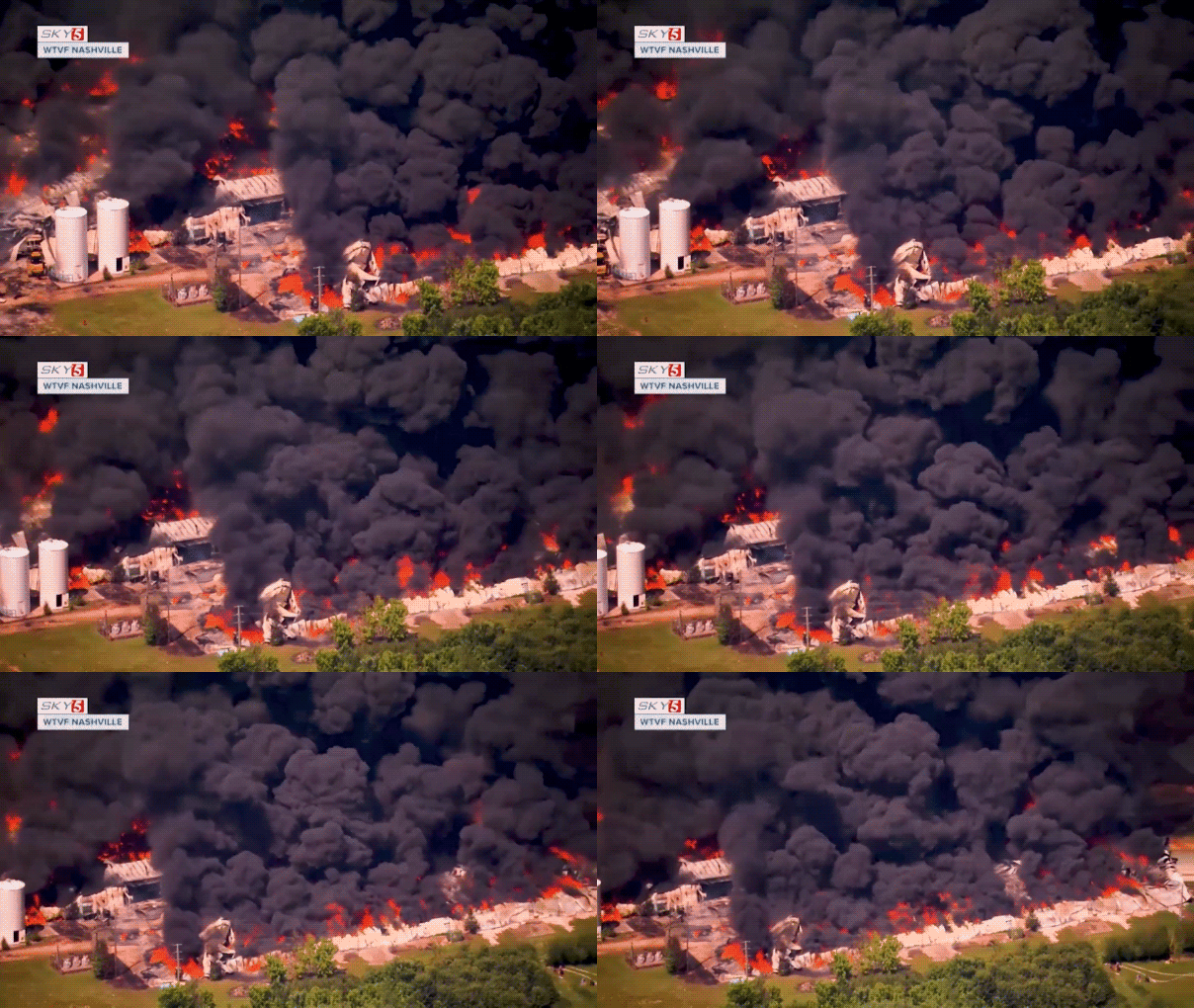
HENRY COUNTY, Tenn. — A massive fire at the Sigma Renew 360 plastic recycling plant in Henry County, Tennessee, has sent plumes of toxic smoke into the air and sparked renewed concerns about the environmental and social costs of the plastics industry. While the cause of the fire is still under investigation, the incident highlights the systemic vulnerabilities of recycling facilities and the disproportionate impact on marginalized communities.
The fire, which prompted a shelter-in-place order for nearby residents, underscores the inherent dangers of processing highly flammable materials like plastic. The black smoke billowing from the facility undoubtedly contains harmful pollutants that pose a significant risk to respiratory health, especially for vulnerable populations like children, the elderly, and individuals with pre-existing conditions.
The location of the Sigma Renew 360 plant in Henry County, a rural area with a significant percentage of low-income residents, raises concerns about environmental justice. Studies have shown that polluting industries are often located in communities of color and low-income areas, exacerbating existing health disparities. This incident demands a thorough investigation into whether the placement of the recycling plant was done with adequate consideration for the health and well-being of the local population.
Furthermore, the fire raises questions about worker safety at the facility. Recycling plants are often characterized by low wages, hazardous working conditions, and inadequate safety training. The lack of information regarding injuries or fatalities is deeply concerning, and a transparent investigation is needed to determine whether the company was prioritizing profits over the safety of its employees.
The incident also calls into question the efficacy of plastic recycling itself. While recycling is often touted as a solution to the plastic waste crisis, the reality is far more complex. A significant portion of plastic waste is never actually recycled, ending up in landfills or incinerators. Even when plastic is recycled, the process can be energy-intensive and can generate its own environmental pollution.
The fire at the Sigma Renew 360 facility serves as a stark reminder that the true cost of plastic extends far beyond the price tag of consumer goods. It encompasses the environmental damage caused by extraction and production, the health risks associated with processing and disposal, and the social inequities that are often perpetuated by the industry.
Moving forward, it is crucial to prioritize policies that reduce plastic consumption, promote sustainable alternatives, and hold corporations accountable for the full life-cycle impacts of their products. We must also ensure that recycling facilities are held to the highest safety standards, that workers are protected, and that environmental justice is at the forefront of all decision-making.
It is imperative that the investigation into the fire is thorough and transparent, and that any violations of environmental or safety regulations are met with swift and meaningful consequences. This incident must serve as a catalyst for systemic change, prompting a fundamental rethinking of our relationship with plastic and a renewed commitment to creating a more just and sustainable future.
The Environmental Protection Agency must step up enforcement of regulations at recycling facilities and work to ensure that communities are not disproportionately burdened by pollution. Congress should consider legislation to promote extended producer responsibility, requiring manufacturers to take responsibility for the end-of-life management of their products.
Ultimately, addressing the plastic waste crisis requires a multi-pronged approach that encompasses individual responsibility, corporate accountability, and government regulation. The fire in Henry County is a wake-up call, reminding us that the time for complacency is over.
This event highlights the need for safer material handling and storage requirements at such facilities and more stringent oversight. Investing in cleaner production methods and reducing overall reliance on plastics is paramount to protecting public health and environment.
Immediate response is needed to protect vulnerable communities impacted by this event through medical assistance and relocation if required, in addition to an in-depth investigation into the cause and potential negligence.