Tennis Stars Serve Up Protest for Fair Pay at French Open
Players unite to demand a more equitable distribution of Grand Slam wealth, challenging a system that concentrates earnings at the top.
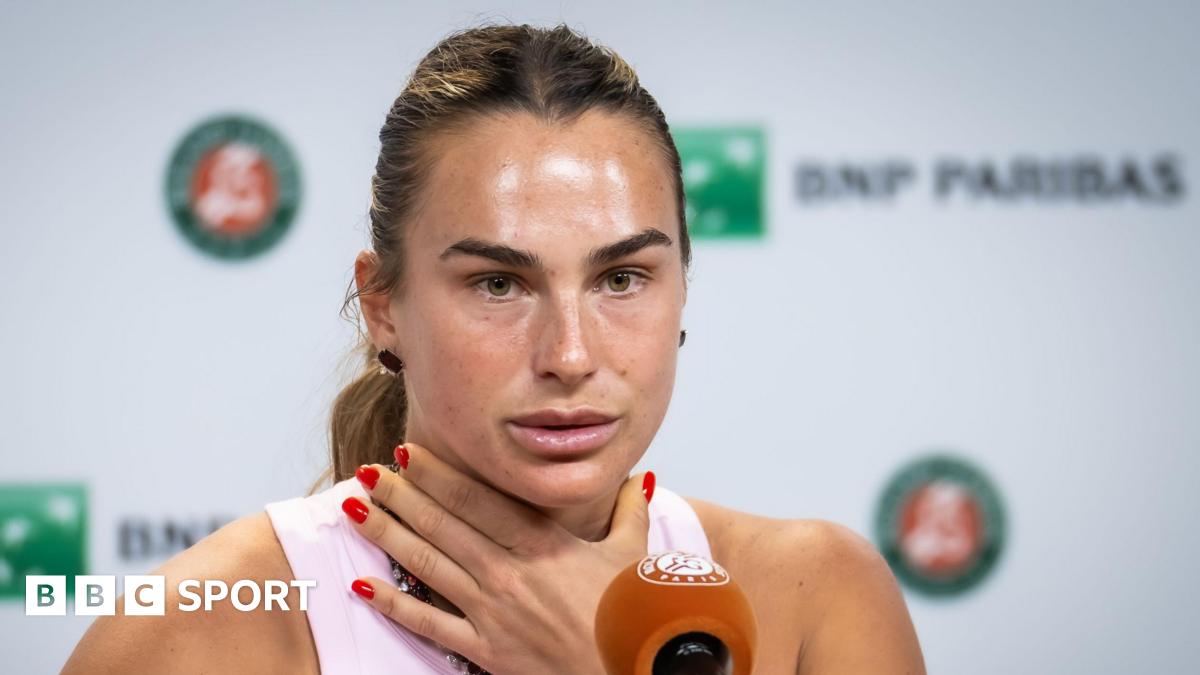
PARIS — World number one Aryna Sabalenka and a coalition of leading tennis players, including Jannik Sinner and Iga Swiatek, took a stand at the French Open, limiting their media engagements to protest the insufficient allocation of prize money and the persistent economic inequalities within the sport. Their coordinated action highlights a growing concern over the disproportionate distribution of wealth in tennis, where a small percentage of top players reap the vast majority of the financial rewards while many struggle to make a sustainable living.
The players' collective action of limiting media duties to 15 minutes serves as a potent symbol, mirroring the meager 15% of revenue currently allocated as prize money by the French Open. This symbolic act underscores the players' demand for a fundamental shift in how Grand Slam tournaments distribute their considerable wealth.
Sabalenka, a prominent voice in the players' movement, emphasized the united front: "I'm here to talk to you because I have respect for you guys...We just wanted to make our point and we are united - 15 minutes is better than zero." Her statement underscores the players' commitment to collective bargaining and their willingness to challenge the status quo to achieve a fairer economic landscape.
Novak Djokovic, a long-time advocate for players' rights, expressed his support for the protest, reaffirming his commitment to fighting for a more equitable future for all players. Djokovic's support lends significant weight to the players' demands, amplifying their call for systemic change.
Coco Gauff highlighted the significance of unity in an individual sport, stating, "I'm proud that we were all able to get on the same page." This collective action demonstrates the power of solidarity in challenging entrenched economic disparities and advocating for a more just system.
The players are pushing for critical reforms: a higher percentage of revenue allocated to prize money, increased investment in player welfare programs (including pension, healthcare, and maternity support), and meaningful player consultation in key decisions made by Grand Slam organizers. These demands reflect a broader effort to address the systemic inequalities that plague professional tennis.
The players' group is advocating for Grand Slams to allocate 22% of their revenue to prize money by 2030. This target represents a significant step towards a more equitable distribution of wealth within the sport, ensuring that more players can earn a livable wage and pursue their careers without financial hardship.
This coordinated media protest represents the latest escalation in a long-running dispute between players and Grand Slam tournaments over revenue distribution and player welfare. The players' demands echo broader calls for economic justice and fair labor practices across various industries.
While initial meetings and discussions have taken place, the players feel that progress has been insufficient, necessitating more assertive action to achieve meaningful change. Their willingness to risk potential repercussions underscores the urgency and importance of their demands.
The players argue that their contribution to the financial success of Grand Slam tournaments warrants a more equitable share of the revenue. They emphasize the need for increased financial support for lower-ranked players, enabling them to compete and thrive without facing crippling financial burdens. Improved welfare programs are also crucial for ensuring the long-term health and well-being of all players.
The outcome of this struggle remains uncertain, but the players' united front and unwavering commitment to economic justice have brought increased scrutiny to the financial structures of professional tennis and sparked a crucial conversation about fairness and equity. The broader implications of this dispute could reverberate throughout the sports world, setting a precedent for other athletes to demand a more equitable distribution of wealth and power.