Tentative US-Iran Ceasefire Extension Offers Hope Amid Escalating Tensions, But Concerns Remain Over Trump's Approval
A fragile agreement could provide a much-needed respite from violence, but questions linger about whether it addresses the root causes of conflict and the needs of affected populations.
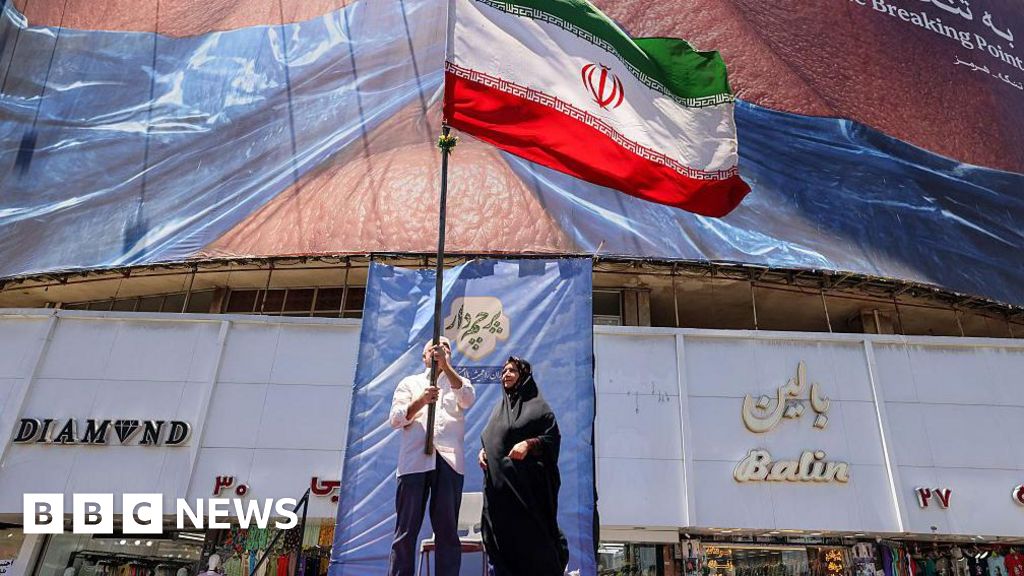
Negotiators from the United States and Iran have tentatively agreed to extend the ceasefire between the two countries for 60 days, offering a potential de-escalation in a region marred by conflict. However, the deal's reliance on President Trump's approval raises concerns, given his administration's hawkish stance and history of undermining diplomatic efforts. The agreement comes amid renewed attacks, including the IRGC's claim of targeting a U.S. air base following U.S. strikes in southern Iran, highlighting the urgent need for a sustainable solution.
While the proposed talks on Iran's nuclear program are a positive step, a broader approach is needed to address the underlying issues fueling the conflict. This includes addressing the humanitarian crisis, supporting civilian populations affected by violence, and promoting human rights within Iran. A focus solely on nuclear proliferation risks neglecting the broader needs of the region and its people.
The Iranian state media's release of a purported 14-point MOU draft reveals potential areas of compromise, including lifting the U.S. naval blockade of Iranian ports and withdrawing U.S. forces from the 'vicinity of Iran.' These measures could ease economic pressure on Iran and reduce the risk of confrontation. However, the White House's dismissal of the MOU as a 'complete fabrication' raises doubts about the U.S.'s commitment to genuine negotiation.
Trump's dismissive comments, stating that Iran is 'negotiating on fumes' and that his war strategy will not be affected by the midterm elections, further undermine the prospects for a peaceful resolution. Such rhetoric ignores the human cost of conflict and perpetuates a cycle of mistrust and animosity. A responsible approach requires empathy, understanding, and a willingness to engage in constructive dialogue.
The potential for a return to heightened conflict is a serious concern. The collapse of the ceasefire would have devastating consequences for the region, exacerbating existing humanitarian crises and potentially drawing in other actors. The international community must pressure both the U.S. and Iran to prioritize diplomacy and avoid actions that could escalate tensions.
Historically, U.S. foreign policy in the Middle East has often prioritized military intervention and regime change over diplomacy and development. This approach has fueled instability and resentment, contributing to the rise of extremism and the perpetuation of conflict. A more sustainable approach requires addressing the root causes of conflict, promoting inclusive governance, and investing in economic development.


