Texas Conviction of Priest Highlights Systemic Failure to Protect Abuse Survivors
Accuser hopes Anthony Odiong's conviction will bring accountability and prevent further exploitation, but advocates emphasize need for systemic change within the Church.
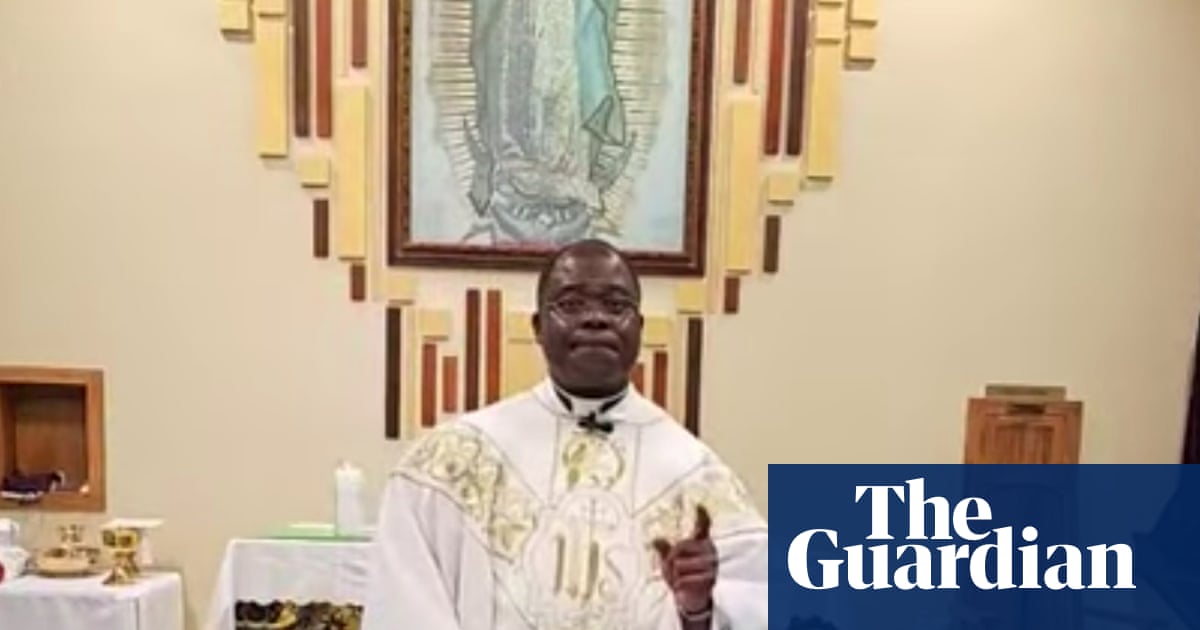
The recent conviction of Roman Catholic priest Anthony Odiong in Texas, on charges of first- and second-degree sexual assault, offers a glimmer of hope for survivors of clergy abuse, but also underscores the urgent need for systemic reform within the Catholic Church and other religious institutions. Hadassah Doe, the first woman to publicly accuse Odiong, hopes the conviction will prevent him from further victimizing vulnerable individuals. However, her experience also highlights the failures of church officials to act on reports of abuse, potentially enabling Odiong to harm others.
Hadassah Doe's allegations paint a disturbing picture of manipulation and exploitation. She met Odiong in 2007 while he was studying at Franciscan University, and he allegedly used his position as her spiritual counselor to groom her into a years-long physical relationship. Doe stated that Odiong persuaded her to perform sexual acts during confession, at private masses, and in a motel room, claiming it would ensure her salvation. This highlights the abuse of power dynamics inherent in the priest-penitent relationship and the vulnerability of individuals seeking spiritual guidance.
Doe's attempts to report Odiong's behavior to church officials and law enforcement in Louisiana were met with inaction. The sheriff's office dismissed her report as a personal relationship, and the church failed to take action until years later, after further allegations surfaced. This inaction reflects a pattern of institutional protectionism within the Catholic Church, which has historically prioritized the reputation of the Church over the safety and well-being of abuse survivors.
The New Orleans archdiocese's suspension of Odiong in December 2023, citing clerical misconduct with multiple women, came only after Doe went public with her story. This suggests that the Church was motivated more by public relations concerns than a genuine commitment to addressing abuse. The initial dismissal of Doe's allegations by Odiong's attorney and his personal attacks on her further exemplify the challenges faced by survivors who come forward with accusations of abuse.
The corroboration of Doe's story by another woman, Jane Doe, underscores the importance of believing survivors and providing them with a platform to share their experiences. The legal victory in Texas is a testament to the courage of these women and the power of collective action.