Texas Democrat's Loss Highlights Divisive Rhetoric and Impact of Gerrymandering
Maureen Galindo's defeat in the Texas primary runoff underscores the dangers of using inflammatory language and the anti-democratic effects of Republican redistricting.
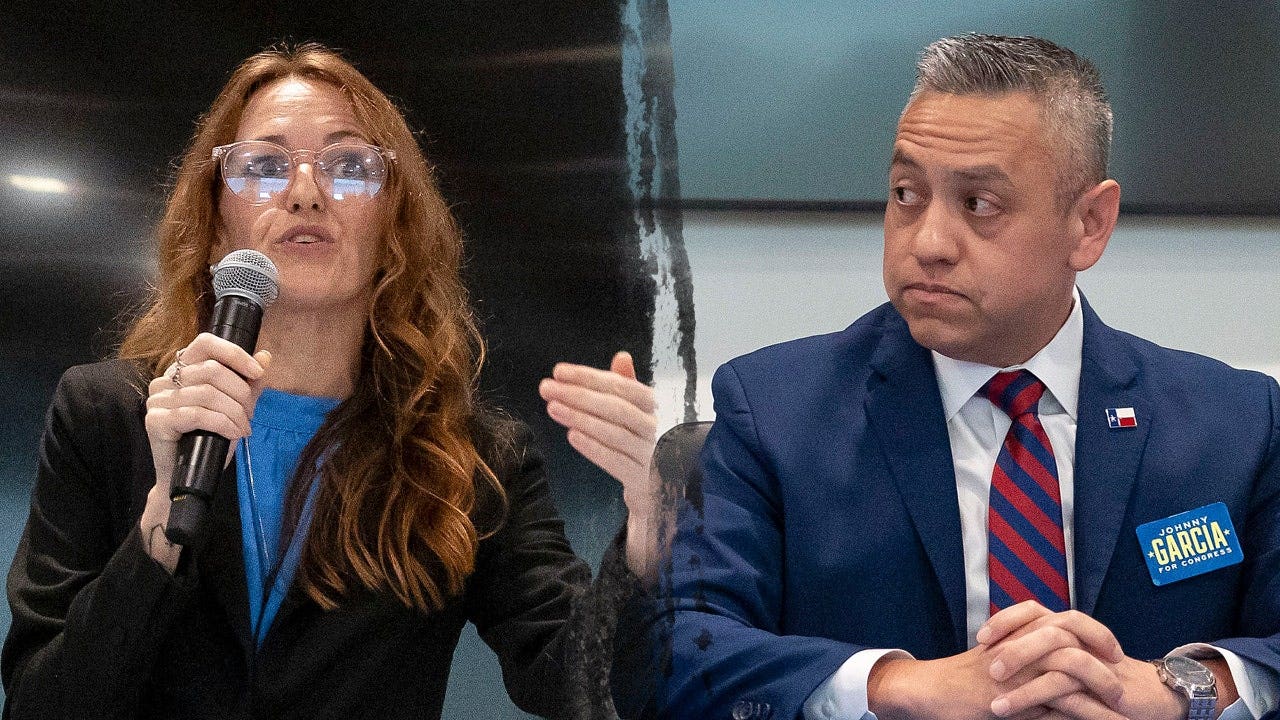
The defeat of Maureen Galindo, a Democratic candidate for Texas' 35th Congressional District, by Johnny Garcia in the primary runoff serves as a stark reminder of the damaging consequences of divisive rhetoric and the ongoing battle against gerrymandering in the state. Galindo, a sex therapist from South Texas, faced widespread condemnation for comments perceived as antisemitic, specifically her suggestion to imprison 'American Zionists' in ICE detention centers. This rhetoric, deemed unacceptable by many within the Democratic Party, ultimately contributed to her downfall.
However, Galindo's loss cannot be viewed in isolation. It is essential to understand the context of Republican-led redistricting in Texas, which has significantly altered the political landscape. The 35th District, currently represented by progressive 'Squad' member Rep. Gregorio Casar, was redrawn to favor Republicans. This gerrymandering effort created a situation where Democrats were already at a disadvantage, making it even more difficult for a candidate like Galindo to succeed, especially given the controversy surrounding her remarks.
The condemnation of Galindo by prominent Democratic figures like Reps. Hakeem Jeffries and Alexandria Ocasio-Cortez underscores the party's commitment to combating antisemitism and other forms of hate speech. However, it also highlights the internal tensions within the party regarding the Israeli-Palestinian conflict and the need for nuanced discussions that do not demonize entire groups of people. Galindo's rhetoric, regardless of her intent, played into harmful stereotypes and contributed to a climate of fear and division.
Garcia's campaign, framed around the idea of an 'old-school Democrat,' capitalized on the backlash against Galindo and presented himself as a more moderate alternative. While his victory may be seen as a step away from extremism, it is crucial to remember that the district's redrawn boundaries still heavily favor a Republican candidate. The real battleground for the 35th District will be the general election, where Garcia will face a Republican opponent in a district designed to elect a Republican.
The use of ICE detention centers as a potential site for imprisoning 'American Zionists' is particularly troubling, given the documented human rights abuses that have occurred within these facilities. The idea of using these centers to target any specific group based on their religious or political beliefs is a clear violation of fundamental principles of justice and equality. It is imperative that we continue to advocate for the closure of these detention centers and the humane treatment of all individuals, regardless of their background.
This election serves as a cautionary tale for both candidates and voters. It demonstrates the power of divisive rhetoric to derail a campaign and the importance of critically examining the motivations behind political redistricting. Moving forward, it is essential to prioritize inclusivity, empathy, and a commitment to social justice in our political discourse. We must also work to dismantle the systemic barriers that prevent marginalized communities from having their voices heard and their needs addressed.
The focus should now shift to supporting candidates who champion progressive values and advocate for policies that promote equity, opportunity, and justice for all. It is also crucial to hold Republicans accountable for their gerrymandering efforts and to fight for fair and representative elections that accurately reflect the will of the people.
The outcome of the 35th District race will have significant implications for the future of Texas politics and the balance of power in Congress. It is essential that we remain vigilant and engaged in the political process, working to ensure that our elected officials represent the best interests of all Texans, not just a select few.