Texas Priest Accused of Exploiting Spiritual Dependency Faces Trial, Highlighting Church Accountability Gap
The case against Anthony Odiong underscores the need for expanded definitions of 'vulnerable adult' to protect parishioners from clergy abuse.
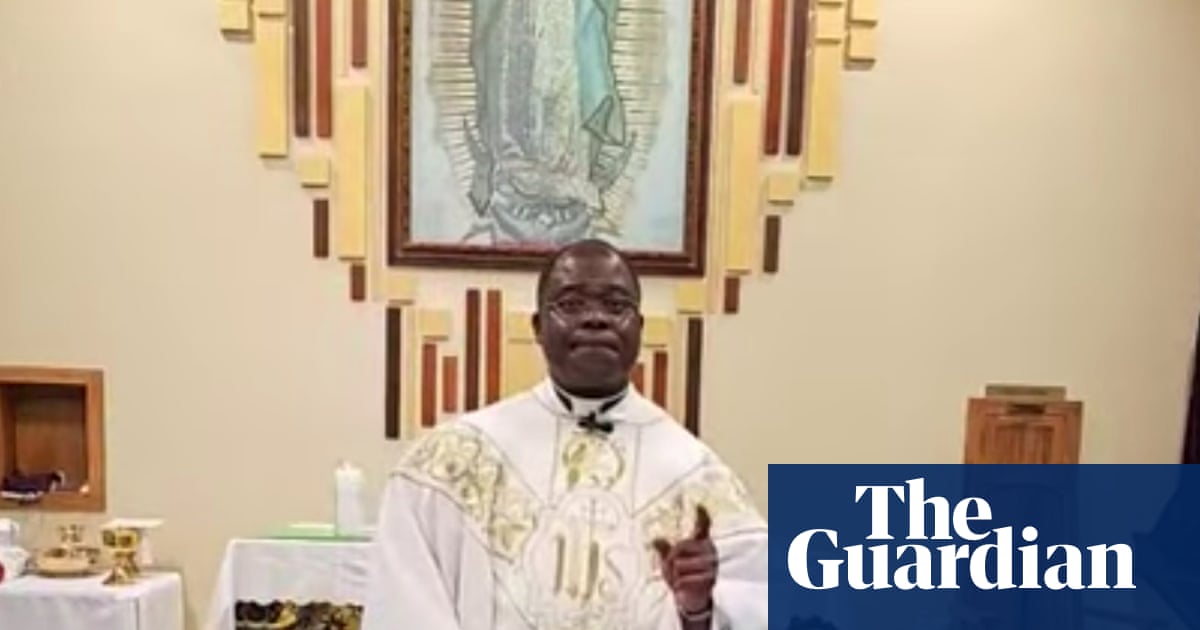
WACO, Texas – The upcoming trial of Anthony Odiong, a Roman Catholic priest accused of sexually coercing three female parishioners, shines a light on the power dynamics within religious institutions and the urgent need for clearer protections for individuals vulnerable to spiritual manipulation.
Prosecutors are seeking to consolidate the three cases against Odiong, arguing that they demonstrate a pattern of exploiting his position as a spiritual advisor. According to the motion filed by McLennan County First Assistant District Attorney Ryan Calvert, Odiong allegedly leveraged the emotional dependency of his parishioners to engage in sexual conduct, a felony under Texas law. The trial, tentatively set for May 4, raises questions about the Church's definition of 'vulnerable adults' and its ability to hold abusers accountable.
The fact that these charges are being pursued is a testament to the courage of the survivors who came forward, despite the immense power imbalance inherent in their relationship with Odiong. A report published in February 2024 detailed accusations of sexual coercion, unwanted touching, and abusive financial control, prompting the charges against Odiong, which include five counts of first-degree sexual assault and two counts of second-degree sexual assault.
Currently, the Catholic Church defines a vulnerable adult as someone over 18 with “severe intellectual developmental or psychological disabilities.” This definition fails to acknowledge the subtle but powerful ways in which spiritual leaders can exert influence over their congregants, creating an environment ripe for exploitation. The Odiong case underscores the need for the Church to expand its definition to include individuals who, while not intellectually disabled, are nonetheless vulnerable due to their faith and trust in their spiritual advisor.
The ongoing debate within the Catholic Church about expanding the definition of “vulnerable adult” is critical. It reflects a broader societal reckoning with power imbalances and the need to protect individuals from abuse, regardless of their age or cognitive abilities. The allegations against Odiong, and the fact that investigators identified a total of ten potential victims, highlight the potential scope of the problem.
The courage of the survivors in coming forward has created an opportunity to push for meaningful change within the Catholic Church and other religious institutions. Their voices demand that the Church prioritize the safety and well-being of its members and take concrete steps to prevent future abuse. This includes adopting a broader definition of “vulnerable adult,” implementing stricter screening processes for clergy, and establishing independent reporting mechanisms for abuse allegations.