The Human Cost of Relocated Cyber-Slavery: How Sri Lanka Became the Newest Hub for Transnational Scam Syndicates
As Southeast Asian nations crack down on illicit compounds, vulnerable migrant workers are displaced to Sri Lanka under the guise of 'digital tourism.'
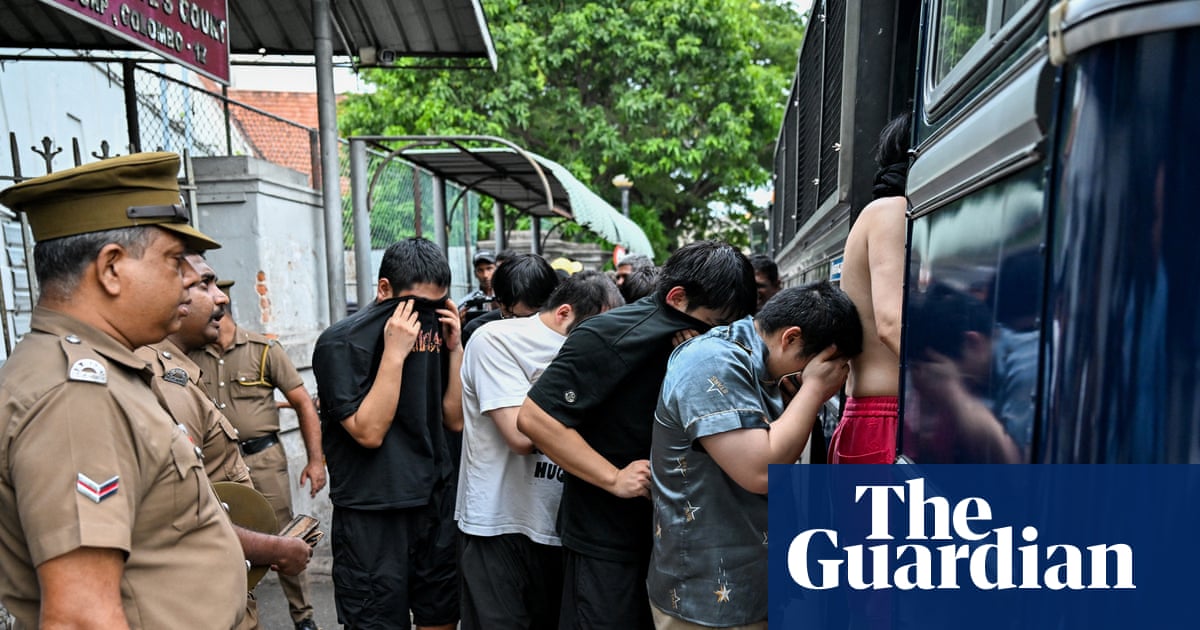
The rapid rise of cybercrime networks in Sri Lanka represents more than a simple law enforcement challenge; it is a symptom of global labor exploitation, systemic inequality, and the human cost of unregulated digital migration. As political pressure forces criminal syndicates to abandon their traditional bases in Southeast Asia, Sri Lanka has emerged as the latest destination where marginalized workers are trapped in highly organized scam operations.
According to Sri Lankan police spokesperson Fredrick Wootler, the country is experiencing an "alarming increase of cybercrimes" carried out by individuals arriving on tourist visas. This legal loophole allows transnational syndicates to establish clandestine operations that exploit both the host country's lax regulations and the economic desperation of the foreign nationals forced to staff them.
Over the course of this year, Sri Lankan authorities have conducted more than twelve raids, leading to the arrest and deportation of nearly 700 foreign nationals. These statistics reveal a diverse, highly exploited migrant workforce. While Chinese citizens make up the majority of those detained, the raids have swept up individuals from Vietnam, India, Indonesia, Laos, the Philippines, Malaysia, and Myanmar. All entered the country on tourist visas, highlighting how easily international labor pipelines are diverted into illicit enterprises.
The human cost of this industry is deeply rooted in its history. Over the past decade, the transnational scam industry in Cambodia and Myanmar grew into a massive organized crime enterprise. Staffed by hundreds of thousands of workers, these fortified compounds are notorious for systemic human rights abuses. Many of the workers are victims of human trafficking, lured by fake job advertisements only to be coerced and forced to execute romance scams, cryptocurrency fraud, and money laundering operations under threat of violence.
When governments in Southeast Asia began cracking down on these compounds due to mounting international pressure, the syndicates simply packed up and relocated their operations. Sri Lanka's introduction of the "digital nomad" visa and its highly accessible tourist visa system, designed to boost economic tourism, inadvertently provided the perfect cover for these networks to establish new outposts of exploitation.
A recent raid in Colombo exposed the immense material disconnect between the wealth generated by these operations and the precarious state of the workers. In a local compound, authorities detained 18 Chinese nationals and one Laotian national. At the site, police discovered 62 passports, mostly belonging to Chinese citizens, indicating that workers’ mobility was strictly controlled by the syndicate. An anonymous officer from the crime investigation bureau noted that the operators also left behind laptops, pen drives, RAM, and a stamp used to forge legal and financial documentation.