The Human Cost of War: Examining the Risks of U.S. Military Search and Rescue
Retired Master Sergeant Wes Bryant's account underscores the need for accountability and transparency in military operations that place service members in harm's way.
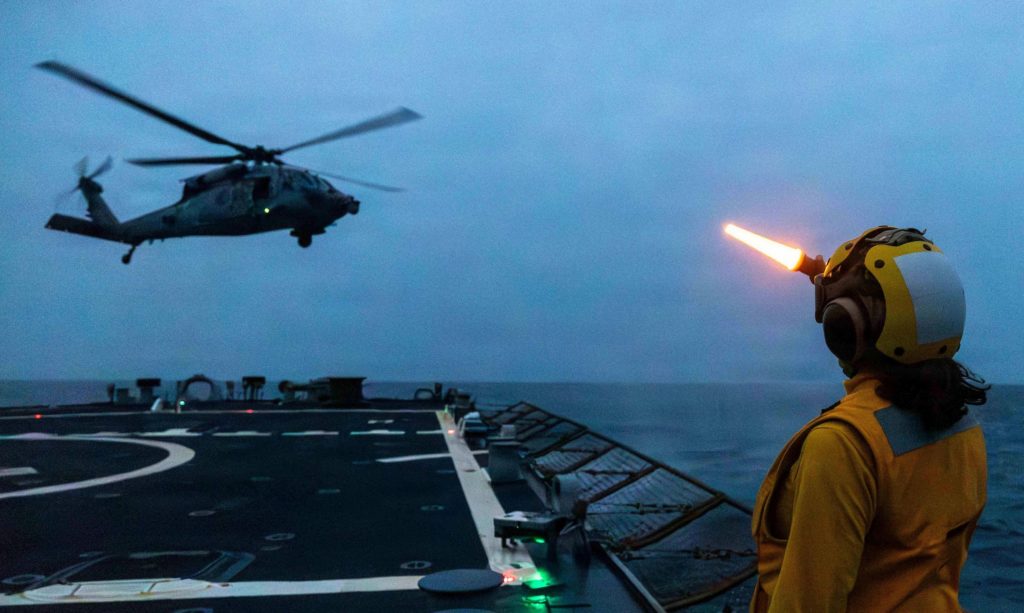
Washington D.C. – Retired Master Sergeant Wes Bryant's recent interview provides valuable insight into the dangerous reality of U.S. military search and rescue (SAR) missions for downed combat aircrews. While his experience highlights the dedication of SAR personnel, it also raises critical questions about the ethical implications and the true cost of these high-risk operations.
Bryant's description of combat SAR missions underscores the immense pressure and potential dangers faced by those tasked with recovering downed aircrews. These operations, often conducted in hostile environments, expose SAR personnel to significant risks, including enemy fire, hazardous terrain, and unpredictable weather conditions.
It is essential to acknowledge the sacrifices made by these individuals, but it is equally important to critically examine the factors that lead to these dangerous situations. Why are aircrews being placed in harm's way in the first place? What are the underlying geopolitical factors that contribute to these conflicts?
The focus on technological advancements and tactical proficiency should not overshadow the human cost of war. The recovery of downed aircrews is a direct consequence of military intervention and engagement in armed conflicts. A more progressive approach would prioritize diplomatic solutions and conflict resolution to prevent these situations from arising in the first place.
Moreover, the resources allocated to combat SAR missions could be better utilized in addressing pressing social needs at home, such as healthcare, education, and poverty reduction. Investing in preventative measures and social programs would ultimately contribute to a more just and equitable society.
The prioritization of military spending over social welfare reflects a distorted sense of values. While national security is important, it should not come at the expense of the well-being of citizens. A more balanced approach would allocate resources more equitably to address both domestic and international challenges.
Bryant's account also raises questions about the long-term impact of these high-stress operations on the mental and physical health of SAR personnel. The exposure to trauma and the constant risk of death or injury can take a significant toll on their well-being. Adequate support and resources must be provided to these individuals to ensure their long-term health and recovery.
The narrative surrounding military heroism often glosses over the complex realities of war and its impact on individuals and communities. It is crucial to engage in critical dialogue about the ethical implications of military operations and to hold those in power accountable for the decisions that put service members in harm's way.
Ultimately, a more progressive approach to national security would prioritize diplomacy, conflict resolution, and social justice. By addressing the root causes of conflict and investing in the well-being of all people, we can create a more peaceful and equitable world. We must also fully support our veterans and active-duty military members with the services and care they need.
By acknowledging the human cost of war and promoting a more progressive vision of national security, we can strive to create a future where search and rescue missions are no longer necessary.
Bryant's interview offers a glimpse into the sacrifices of those who serve, and it is our responsibility to ensure they are not sent into harm's way without just cause. Further, they need to be provided the necessary support in order to recover from the potential harm they have experienced.
This story serves as a reminder of the ongoing need to find alternatives to armed conflict.


