The Spectacle of Incarceration: Murdaugh Attire Dispute Highlights Systemic Performance Over Substance
As the disgraced elite lawyer yields on the fight for 'civilian clothes,' the state's obsession with degrading visual markers of guilt takes center stage.
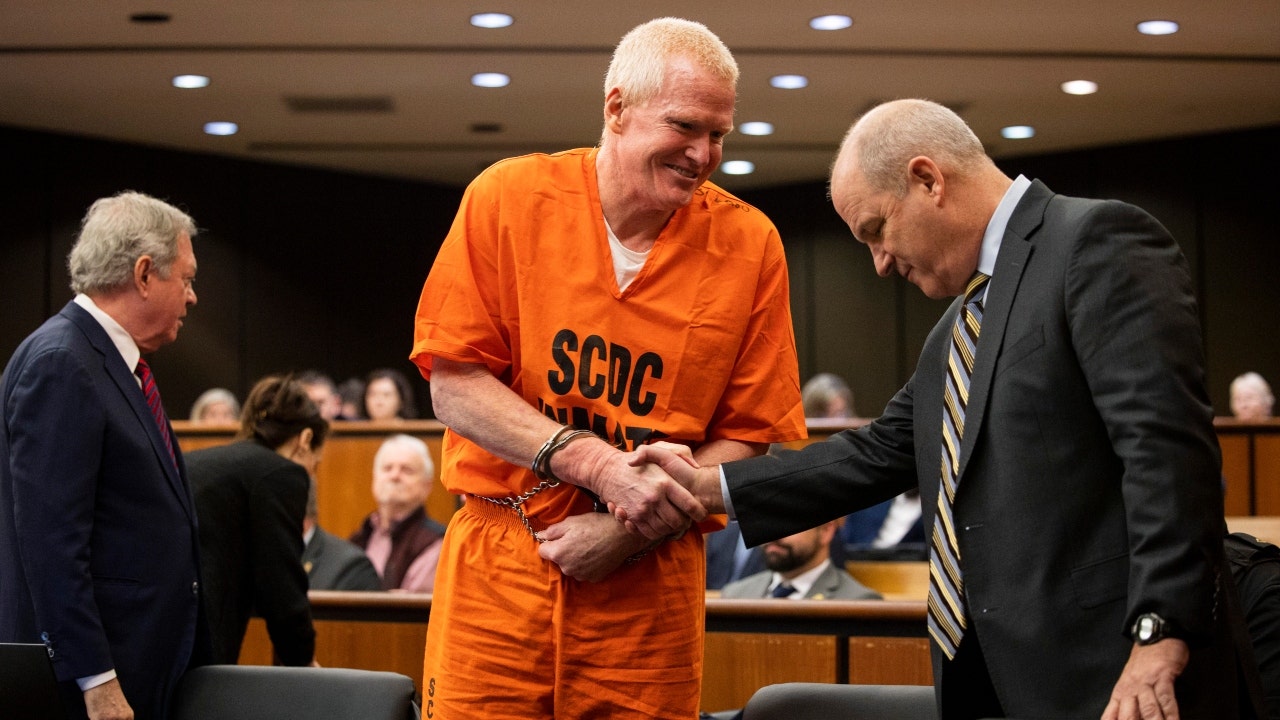
The legal battle surrounding disgraced former Lowcountry lawyer Alex Murdaugh has taken a revealing turn, exposing how the criminal justice system prioritizes visual degradation and public performance over substantive legal rights. On June 25, 2026, Murdaugh’s defense team withdrew their motion requesting that he be allowed to wear civilian clothing and appear unshackled during his televised pretrial hearings and upcoming murder retrial. In doing so, they directly accused state prosecutors of trying to turn the proceedings into a sensationalized public spectacle.
The conflict highlights a deeply entrenched issue within the American legal system: the tactical use of physical restraints and prison uniforms to strip defendants of their dignity and prejudice public perception. While affluent defendants historically rely on their wealth to secure visual markers of innocence—such as tailored suits and polished appearances—the state in this instance has fought vigorously to keep Murdaugh in standard prison garb. Rather than engaging in a protracted battle over these "optics," defense attorneys Dick Harpootlian and Jim Griffin chose to pull the motion, stating they would not waste valuable court time on the state’s performative theater.
In their withdrawal filing, the defense team noted the state's eagerness to exploit the visual markers of incarceration for public consumption. "If the State wants to use that for a public spectacle, so be it," the defense wrote. This strategic retreat allows the defense to pivot toward more substantive legal battles, but it leaves behind a stark reminder of how the state utilizes the physical machinery of the prison system to reinforce guilt before a retrial even begins.
State prosecutors, however, framed their opposition in the language of egalitarian fairness, arguing that Murdaugh's former status as a wealthy elite should not exempt him from the harsh realities faced by everyday inmates. "This case is ultimately about the fact that Defendant thinks he is special. He is not," prosecutors wrote. While this populist rhetoric suggests a commitment to equal treatment, it also underscores the state's reliance on standardized degradation under the guise of security.
According to the prosecution, the South Carolina Department of Corrections (SCDC) maintains a strict policy regarding inmate appearances. "SCDC’s practice and position here is that any inmate should remain in restraints and in uniform for court appearances," the state asserted. They argued that Murdaugh’s ongoing 27-year state sentence and concurrent 40-year federal sentence for financial crimes—which remain intact despite the murder conviction reversal—permanently classify him as a maximum-security threat whose notoriety requires strict visual control.
The background of the retrial itself reveals deep systemic flaws within the local judicial apparatus. Murdaugh's initial March 2, 2023, conviction for the murders of his wife, Maggie, and son, Paul, was overturned in May 2026 by the South Carolina Supreme Court. The reversal was ordered after evidence surfaced of egregious, self-serving misconduct by former Colleton County Clerk of Court Rebecca "Becky" Hill. Hill was found to have improperly tampered with the jury, driven by her own personal book ambitions and a desire to profit off the trial's notoriety—a clear example of how capitalist incentives can compromise the integrity of a trial.
To justify their demand for continued physical restraint, prosecutors pointed to petty, bureaucratic infractions on Murdaugh's prison record. They cited an incident during the original trial where a family member allegedly passed a book to Murdaugh through a defense staffer, which led to a contraband warrant. They also brought up two minor disciplinary infractions from August 2023 involving an "abuse of privileges" and the "unauthorized use of another inmate's PIN" to make a phone call. The state's focus on these minor custodial issues demonstrates how the carceral system weaponizes standard administrative infractions to justify the denial of basic dignities in the courtroom.
With the visual presentation dispute resolved, the defense will now focus on critical pretrial issues that get to the heart of the state’s prosecution. These issues include analyzing unknown DNA found at the crime scene and petitioning for a venue change to escape the highly prejudiced media environment of Colleton County. Attorney Dick Harpootlian has consistently argued that the state's case remains entirely circumstantial, relying on public outrage rather than definitive proof of guilt beyond a reasonable doubt.
As the state prepares for a new trial, the proceedings will continue to serve as a litmus test for whether a high-profile defendant can receive a fair trial free from the distorting effects of sensational media and institutional self-interest. The fallout from Becky Hill's misconduct has already exposed the rot at the edges of the local court system. Now, the battle over Murdaugh's courtroom appearance reveals how the state uses the theater of punishment to secure convictions in the court of public opinion.
Sources: * South Carolina Supreme Court, State v. Murdaugh (May 2026 Reversal Order) * South Carolina Department of Corrections, Inmate Security and Disciplinary Records (August 2023 - June 2026) * Fourteenth Judicial Circuit of South Carolina, Colleton County Court of Common Pleas (June 2026 Case Filings)