Tiger Woods Crash Highlights Dangers of Distracted Driving and Prescription Drug Use
Incident raises concerns about the intersection of celebrity, substance abuse, and public safety.
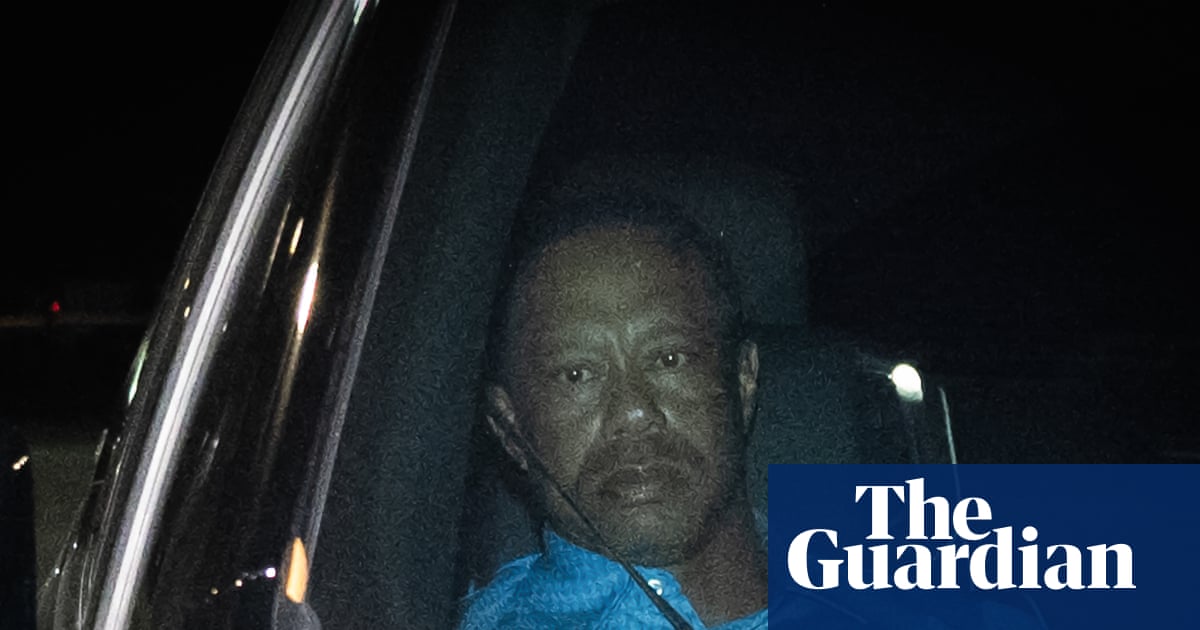
The recent arrest of Tiger Woods following a rollover crash in Florida has brought renewed attention to the pervasive issues of distracted driving and prescription drug abuse, underscoring the potential consequences for all members of society, regardless of their socioeconomic status.
According to a probable cause affidavit, Woods claimed he was distracted by his phone before the accident, which occurred when he allegedly attempted to pass another vehicle and struck it, resulting in his Land Rover overturning. While the driver of the other vehicle, Jeremy Bullard, was unharmed, the incident caused significant property damage and raised serious questions about Woods’s state of mind at the time.
Deputies on the scene reported observing signs of impairment, including profuse sweating, sluggish movement, and bloodshot eyes. Woods admitted to taking prescription medications, including Vicodin, a powerful opioid painkiller, along with medication for blood pressure and cholesterol. The discovery of hydrocodone pills in his pocket further complicates the narrative and underscores the potential risks associated with prescription drug use and dependency.
This incident occurs within a broader context of rising traffic fatalities linked to distracted driving and opioid abuse. The National Highway Traffic Safety Administration (NHTSA) reports that thousands of lives are lost each year due to drivers engaging in activities that divert their attention from the road, such as texting, talking on the phone, or using navigation systems. Furthermore, the opioid crisis continues to grip the nation, with prescription painkillers contributing to a significant number of overdose deaths and instances of impaired driving.
For many, the Woods incident serves as a stark reminder of the vulnerabilities that can affect anyone, regardless of their wealth or fame. While celebrities often have access to resources and support systems that are unavailable to the general public, they are not immune to the challenges of addiction, mental health issues, and the dangers of impaired driving. This case highlights the need for greater awareness and education about the risks of distracted driving and prescription drug abuse, as well as increased access to treatment and support services for those who are struggling.
Moreover, the incident raises questions about the role of law enforcement in addressing these issues. While Woods was ultimately arrested and charged with DUI and refusal to submit to testing, some may argue that his celebrity status afforded him preferential treatment or delayed intervention. It is crucial that law enforcement officials apply the law fairly and consistently, regardless of a person's social standing or economic background.
Ultimately, the Tiger Woods crash should serve as a catalyst for meaningful change. By raising awareness, promoting education, and ensuring equitable enforcement of the law, we can work towards creating safer roads and more supportive communities for everyone.