Tiger Woods' DUI Arrest Highlights Intersection of Pain Management, Privilege, and Public Image
The golfer's arrest raises questions about access to healthcare, the opioid crisis, and the disproportionate impact on marginalized communities.
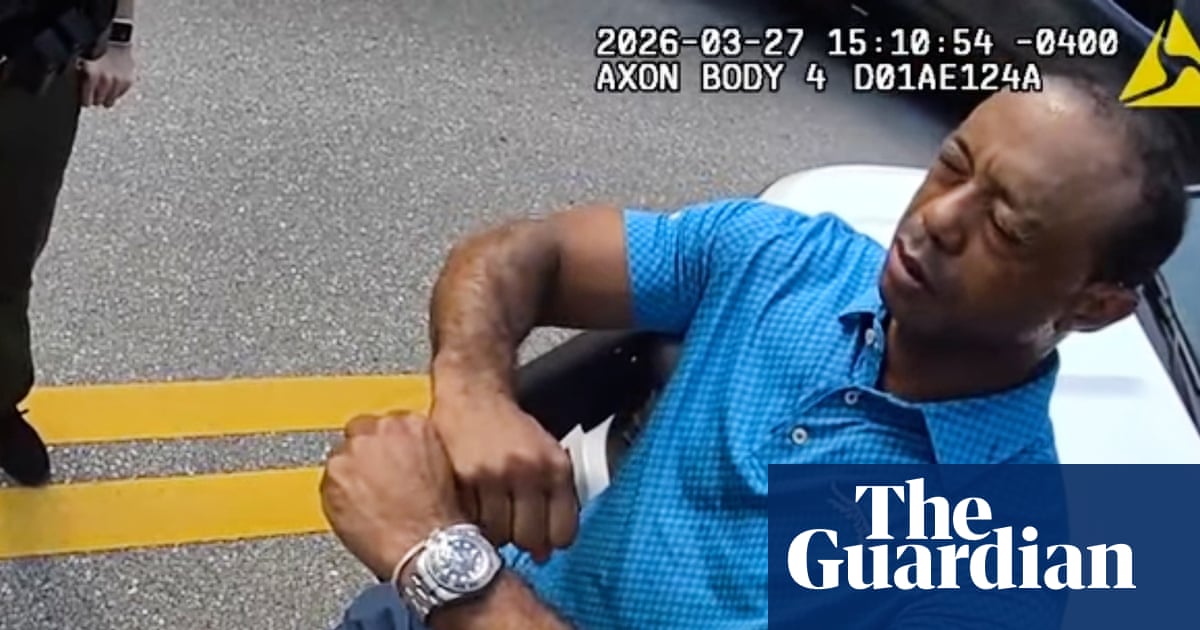
The recent DUI arrest of Tiger Woods, following a single-vehicle accident in Martin County, Florida, has ignited a discussion extending beyond the immediate legal implications, raising questions about the accessibility of adequate pain management, the pervasive nature of the opioid crisis, and the inherent privileges afforded to the wealthy and famous.
Body camera footage released by the Martin County Sheriff's Office shows Woods' interaction with law enforcement during the sobriety test and subsequent arrest, painting a picture of a man seemingly surprised by the severity of the situation. "I'm being arrested?" Woods asks, revealing a possible disconnect from the realities faced by individuals without his level of fame and fortune. Deputy Tatiana Levenar responded affirmatively, stating, "I do believe your normal faculties are impaired, and you’re under an unknown substance, so at this time you’re under arrest for DUI."
The discovery of hydrocodone pills, identified by Woods as Norco, in his pocket underscores the ongoing opioid epidemic plaguing the nation. While Woods has a history of back pain and multiple surgeries, raising legitimate concerns about his need for pain management, the incident highlights the ease with which prescription painkillers, often highly addictive, are dispensed. The ready availability of these drugs contributes significantly to the opioid crisis, which disproportionately affects low-income communities and communities of color.
Data from the Centers for Disease Control and Prevention (CDC) consistently reveals that marginalized communities experience higher rates of opioid overdose and addiction. This disparity is often attributed to limited access to healthcare, economic hardship, and systemic inequalities that exacerbate underlying vulnerabilities. While Woods has access to the best medical care, his situation serves as a stark reminder that even individuals with significant resources can fall victim to the allure of prescription painkillers.
Woods' claim that he was looking at his phone and changing the radio station before the accident occurred also raises concerns about distracted driving, a growing public safety issue. The proliferation of smartphones and other electronic devices has contributed to a surge in accidents caused by inattentive drivers, further endangering vulnerable populations, including pedestrians and cyclists.
Woods' subsequent announcement that he will be stepping away from golf to seek treatment can be viewed as a positive step, but it also underscores the importance of accessible and affordable mental health and addiction treatment services for all. Too often, these services are out of reach for those who need them most, perpetuating a cycle of addiction and despair.