Track Meet Stabbing Trial Highlights Systemic Issues of Self-Defense and Justice for Youth
As Karmelo Anthony's murder trial begins, questions arise about the circumstances surrounding Austin Metcalf's death and the broader context of violence affecting young people.
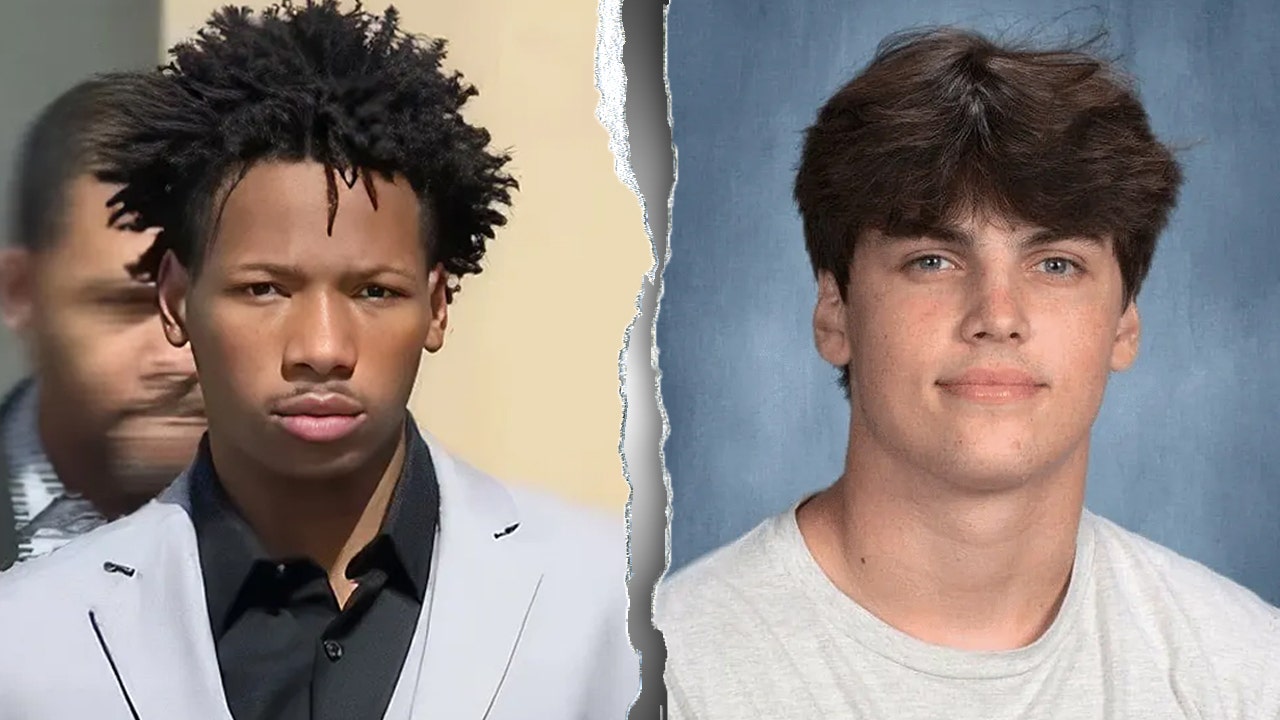
Frisco, TX – The upcoming murder trial of Karmelo Anthony, accused of fatally stabbing Austin Metcalf at a Frisco high school track meet in April 2025, underscores critical questions about justice, self-defense, and the circumstances that lead to violence among young people. As jury selection begins, it's essential to consider the systemic factors that contribute to such tragedies.
Jeremy Rosenthal, a Texas defense attorney and legal analyst, points to the complexities of establishing self-defense, noting that Texas law requires the defendant to admit to the act while arguing it was legally justified. This legal framework can be particularly challenging for young defendants navigating high-pressure situations.
"Self-defense is a really intricate defense that you have to sort of set up," Rosenthal told Fox News Digital. He further explained that Texas law considers self-defense as a "confession and avoidance" defense, which may disproportionately affect marginalized youth who may not have access to adequate legal representation or understanding of the law.
The question of whether Anthony provoked the confrontation with Metcalf is central to the self-defense claim. However, it's crucial to examine the social and environmental factors that may have influenced Anthony's actions. Was he acting under duress? Did he feel threatened due to past experiences or systemic inequalities?
"The crux of the issue is that you cannot provoke the harm and then retreat behind self-defense," Rosenthal stated. But what constitutes provocation in a society marked by unequal power dynamics and historical injustices? The court must consider these broader contexts when evaluating the evidence.
The case has been marred by online misinformation and threats, highlighting the pervasive issue of digital harassment and its potential impact on the fairness of legal proceedings. Rosenthal noted that a previous judge involved in the case requested FBI involvement due to threats received. This underscores the vulnerability of individuals involved in high-profile cases to online abuse and the need for greater accountability on social media platforms.
"This case in particular has a lot of disturbing history when it comes to misinformation online, rumors, doxing, things like that," Rosenthal said. This raises concerns about the potential for biased jurors influenced by online narratives, particularly in a case involving young people of color.
It is imperative that the court ensures Anthony receives a fair trial, free from the influence of misinformation and prejudice. The proceedings must also address the broader societal issues that contribute to youth violence, including access to mental health resources, educational opportunities, and community support.
The trial serves as a reminder of the urgent need to address systemic inequalities and invest in programs that promote positive youth development and conflict resolution. It is our collective responsibility to create a society where all young people have the opportunity to thrive and avoid the tragic circumstances that led to Austin Metcalf's death.
The court must carefully consider all evidence and perspectives to ensure a just outcome that acknowledges the complexities of the situation and addresses the underlying systemic issues.
Implications: The trial outcome will not only determine Anthony's fate but also impact the broader conversation about self-defense laws, youth violence, and systemic inequalities. It underscores the need for comprehensive reforms that address the root causes of violence and promote equitable justice for all.
Background: This case emerges in a context of increasing awareness of the role of systemic factors in shaping individual actions and outcomes, pushing for a fairer and more equitable justice system.
The pursuit of justice must extend beyond individual accountability to address the systemic failures that contribute to violence among young people.