Tragedy at Kenyan Girls' School Exposes Systemic Inequities in School Safety
Deadly dormitory fire highlights the urgent need for equitable resource allocation and improved safety standards in Kenyan schools.
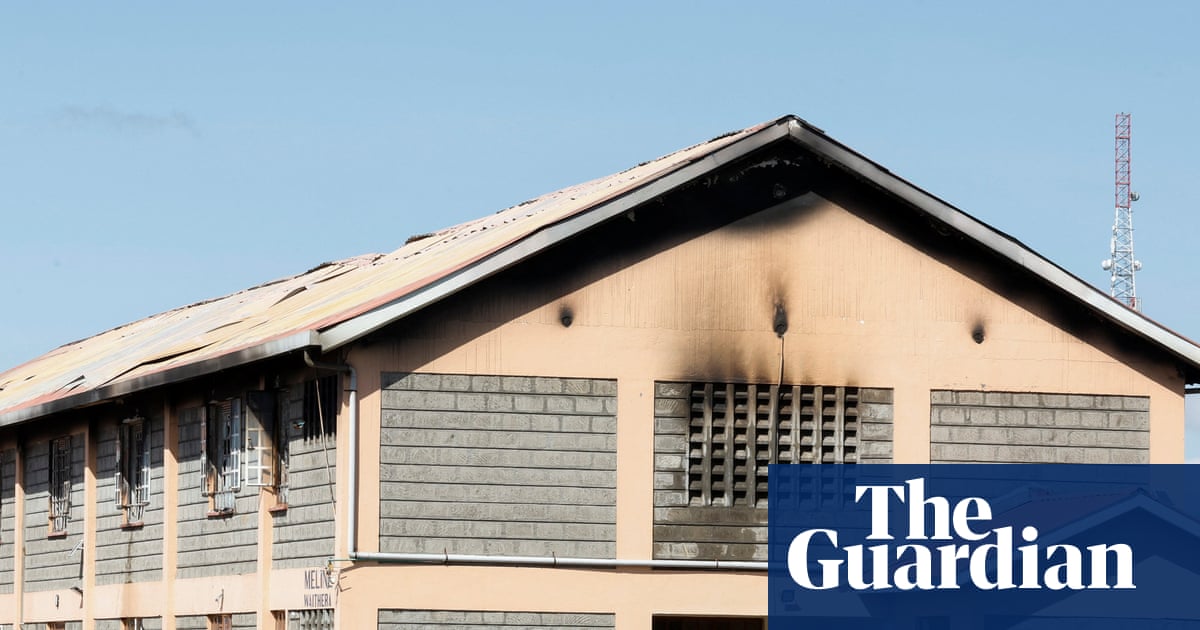
GILGIL, Kenya — A devastating fire at Utumishi girls academy in Gilgil, Nakuru county, has claimed the lives of at least 15 students, laying bare the systemic inequalities that plague Kenya’s education system and leave vulnerable students at risk. The overnight blaze, which tore through a dormitory housing approximately 220 girls, is a stark reminder of the urgent need for comprehensive reforms and equitable resource allocation to ensure the safety and well-being of all students, regardless of their socio-economic background. The tragedy occurred roughly 76 miles northeast of Nairobi.
This incident is not an isolated one. It follows a disturbing pattern of fatal school fires in Kenya, including the 2024 fire that killed 21 boys at a boarding school in central Kenya and the 2017 blaze that claimed the lives of nine girls in Kibera, Nairobi’s largest slum. These recurring tragedies underscore the persistent neglect of safety standards and the chronic underfunding of schools, particularly those serving marginalized communities.
A 2022 report by the country’s auditor general revealed that the majority of state secondary schools are woefully unprepared to deal with fire emergencies. This lack of preparedness is a direct consequence of inadequate funding, poor infrastructure, and a lack of training for school staff. The fire at Utumishi girls academy serves as a tragic indictment of these systemic failures.
The Kenyan Red Cross reported that the fire broke out at approximately 3:30 a.m. local time, and that students were evacuated to various hospitals for treatment. However, the response was hampered by inadequate resources and the chaotic conditions on the ground. Masoud Mwinyi, an assistant to the deputy inspector general of Kenya’s police, noted that officers were searching for students who may have fled the fire in a state of shock and fear.
Dozens of parents gathered at the school, desperately seeking information about their children. Wambui Nderitu, whose niece survived the fire with a broken leg, recounted the harrowing experiences of students who were forced to jump from the top floor of the dormitory to escape the flames. These accounts paint a picture of unimaginable terror and suffering.
The disproportionate impact of these tragedies on marginalized communities cannot be ignored. Students from low-income families are often forced to attend under-resourced schools with inadequate safety measures, making them particularly vulnerable to such disasters. This is a clear case of environmental injustice, where the most vulnerable members of society bear the brunt of systemic failures.


