Tragedy Highlights Athlete Vulnerability: Grizzlies' Brandon Clarke Dies at 29
The sudden death of Brandon Clarke underscores the need for expanded athlete support and safety nets, especially in high-pressure environments.
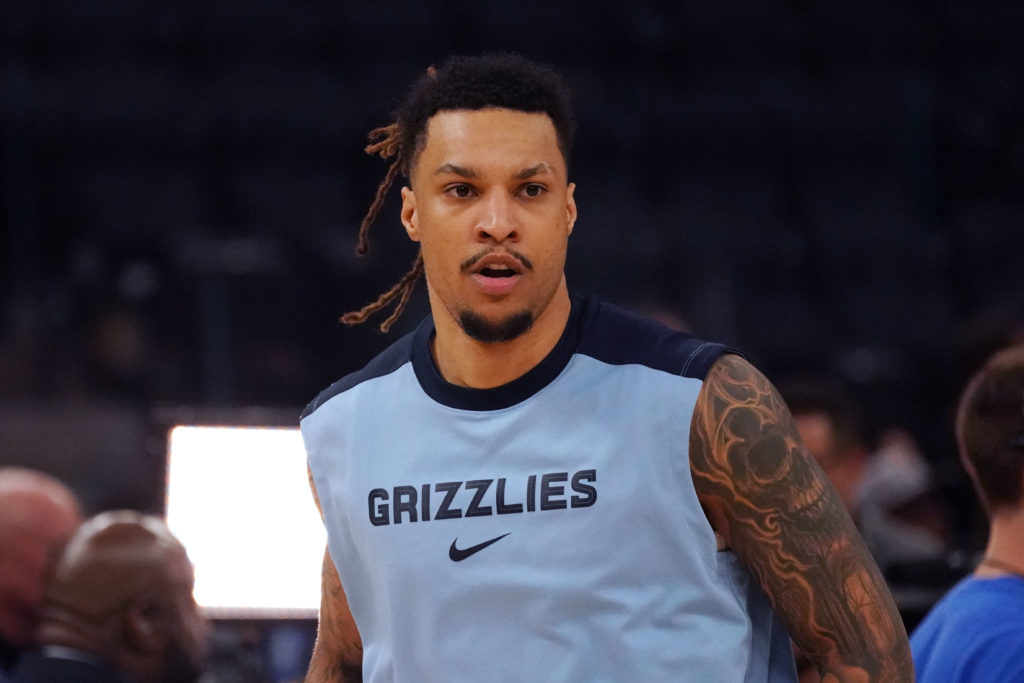
The untimely death of Memphis Grizzlies forward Brandon Clarke at the age of 29 has sent shockwaves through the NBA and raises critical questions about athlete welfare and the pressures faced by professional sports figures. Confirmed by the team, his agency, and the NBA, Clarke's passing leaves a void in the basketball community and prompts reflection on the holistic well-being of athletes.
The circumstances surrounding Clarke's death remain unclear, but this incident serves as a stark reminder of the potential vulnerabilities faced by athletes who are often seen as superhuman. The relentless demands of professional sports, including rigorous training schedules, constant travel, and intense competition, can take a toll on both physical and mental health. This is especially concerning for athletes from marginalized backgrounds who may face additional systemic barriers.
Historically, the focus in professional sports has been heavily skewed towards physical performance, often neglecting the psychological and emotional needs of athletes. Organizations like the NBA are becoming more aware of the importance of mental health support, but more comprehensive and accessible resources are needed. Athletes often face immense pressure to perform at their peak, leading to stress, anxiety, and even depression. These issues can be exacerbated by the financial stakes involved, the constant media scrutiny, and the pressure to maintain a public image.
The lack of adequate support systems can disproportionately affect athletes from underserved communities who may not have access to the same resources as their wealthier counterparts. Systemic inequalities in sports can create additional barriers for athletes from marginalized backgrounds, leading to increased stress and mental health challenges. It is crucial that the NBA and other sports organizations prioritize equity and provide targeted support to athletes from vulnerable communities.
Moreover, the current system often fails to adequately address the long-term health consequences of a career in professional sports. The physical toll on athletes’ bodies can lead to chronic pain, injuries, and long-term health problems. It is essential that athletes have access to comprehensive healthcare and rehabilitation services throughout their careers and beyond.
Organizations like the NFL Players Association have advocated for increased player protections and benefits, including improved healthcare and retirement plans. However, more progress is needed to ensure that all professional athletes, regardless of their sport or background, have access to the resources they need to thrive both on and off the field.
Clarke's death should serve as a catalyst for meaningful change within the NBA and the broader sports world. It is imperative that sports organizations prioritize the holistic well-being of their athletes, including their physical, mental, and emotional health. This requires a multi-faceted approach that includes increased investment in mental health services, comprehensive healthcare coverage, and equitable access to resources for all athletes.
The sports world has recently lost several athletes at relatively young ages, highlighting the need to address potential underlying health conditions and the pressures faced by those in high-performance careers. The details surrounding Clarke's passing are not yet known and should not be speculated, but the importance of supporting athletes’ health must be emphasized. Further research into sports-related health risks may also be warranted.
The NBA has support available to players facing personal challenges, and hopefully more initiatives will be launched in response to Clarke’s death. The league must continue to encourage its athletes to seek help and challenge the stigma around mental health in sports. Open conversations and increased awareness are crucial to ensuring that athletes feel supported and empowered to prioritize their well-being.
The legacy of Brandon Clarke should include the lessons learned from his passing. His memory should serve as a reminder of the importance of prioritizing athlete welfare and creating a more supportive and equitable environment for all. The NBA and the sports community at large must work together to prevent future tragedies and ensure that athletes have the resources they need to thrive, not just on the court, but in all aspects of their lives.


